

Working Principle and Characteristics of Pneumatic Conveying for Steel and Lime Materials
HeadPowder, a leading provider of material handling solutions, specializes in pneumatic conveying systems tailored for the transportation of steel and lime materials. This article explores the fundamental working principles and key characteristics of such systems, offering insights into their efficiency and applicability in industrial settings.
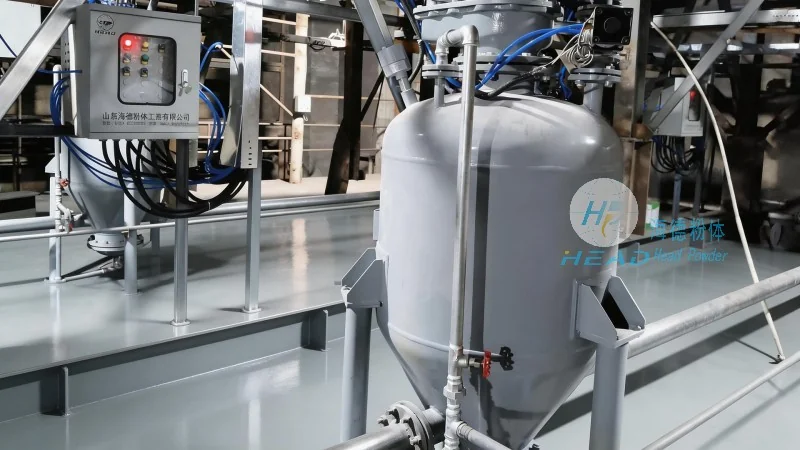
Overview of Pneumatic Conveying for Steel and Lime Materials
Pneumatic conveying, also known as air conveying, is a method of transporting bulk materials through a pipeline using air or other gases as the conveying medium. In the context of steel and lime industries, this technology is crucial for moving materials from storage to processing units or between different stages of production. The systems are designed to handle the specific properties of these materials, such as particle size, density, and flow characteristics, ensuring reliable and efficient material transfer.
The Working Principle of Pneumatic Conveying Systems
The core mechanism of pneumatic conveying systems involves the use of a blower or compressor to generate airflow within a pipeline. The material, typically in the form of dry powders or granules, is introduced into the system and entrained by the moving air. As the air flows through the pipeline, it carries the material particles along, delivering them to the desired destination. The system operates based on the principle of air pressure and velocity, which determines the conveying capacity and distance. For steel and lime materials, the design of the system, including the type of blower, pipeline layout, and material feed mechanisms, is optimized to handle the unique challenges posed by these substances.
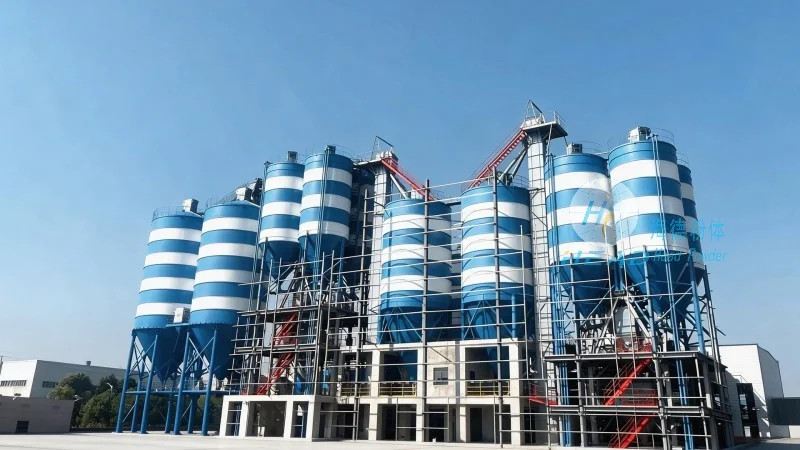
Key Characteristics of Pneumatic Conveying for Steel and Lime Materials
Several distinct characteristics define the performance of pneumatic conveying systems for steel and lime materials. First, the systems are highly flexible, allowing for changes in material flow rates and pipeline configurations without significant modifications. This adaptability is essential in dynamic industrial environments where production demands may vary. Second, the technology offers a dust-free and enclosed operation, which is critical for maintaining environmental standards and worker safety in facilities handling powders and granules. Third, the systems provide a continuous and automated material transfer process, reducing manual handling and associated risks. Additionally, the design of the conveying lines minimizes material degradation and contamination, preserving the quality of steel and lime products during transportation.
Application-Specific Considerations for Steel and Lime Industries
When implementing pneumatic conveying systems for steel and lime applications, several factors must be considered to ensure optimal performance. The choice of blower type, whether positive displacement or centrifugal, depends on the material's characteristics and the required conveying distance. For example, positive displacement blowers are often preferred for long-distance or high-pressure applications, while centrifugal blowers are suitable for shorter distances with lower pressure requirements. The pipeline design, including the use of bends, valves, and filters, is critical to prevent blockages and maintain consistent airflow. Furthermore, the system must be equipped with proper material feed devices, such as rotary valves or feeders, to ensure a uniform and controlled introduction of steel and lime particles into the conveying line.
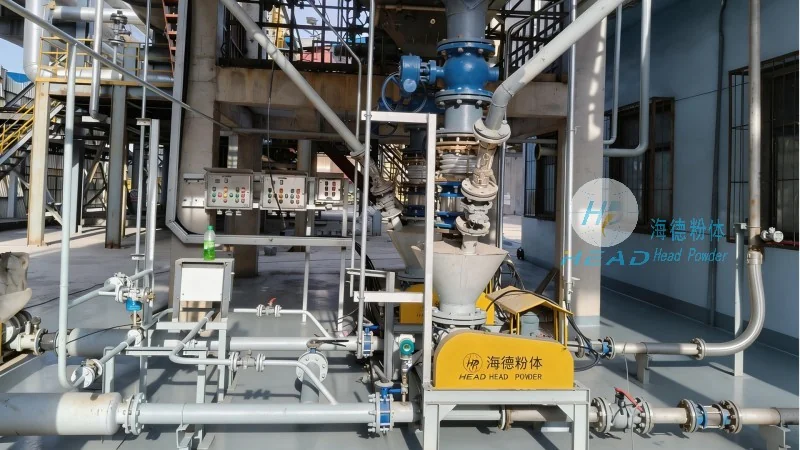
Advantages of Pneumatic Conveying in Steel and Lime Processing
Pneumatic conveying systems offer numerous advantages for steel and lime processing facilities. The primary benefit is the ability to achieve efficient, dust-free material transfer, which enhances operational safety and compliance with environmental regulations. The systems also reduce the need for manual handling, minimizing the risk of accidents and improving overall workplace safety. Additionally, the enclosed nature of the conveying process prevents material loss and contamination, preserving the quality of the steel and lime products. From an operational perspective, pneumatic conveying systems are highly reliable and can be integrated with existing production lines, providing a seamless flow of materials from storage to processing units. The flexibility of the systems allows for easy adjustments to accommodate changes in production volume or material types, ensuring long-term efficiency and cost-effectiveness.
Conclusion
HeadPowder Engineering Co., Ltd., based in Shandong, China, specializes in the design, manufacturing, and installation of advanced pneumatic conveying systems for steel and lime materials. By leveraging the working principles and characteristics outlined above, these systems provide reliable, efficient, and safe material handling solutions for industrial applications. The company's expertise in material handling technology ensures that clients receive tailored solutions that meet their specific operational needs, contributing to improved productivity and reduced operational costs in steel and lime processing facilities.