

Working Principle and Characteristics of Pneumatic Conveying for Polyethylene Pellet Materials
For industries dealing with polyethylene pellets, efficient material handling is crucial to maintaining production efficiency and product quality. Pneumatic conveying systems offer a reliable solution for transporting these lightweight, granular materials. This article explores the working principle and key characteristics of pneumatic conveying for polyethylene pellet materials, providing insights into how such systems operate and their advantages in industrial applications.
Working Principle of Pneumatic Conveying for Polyethylene Pellets
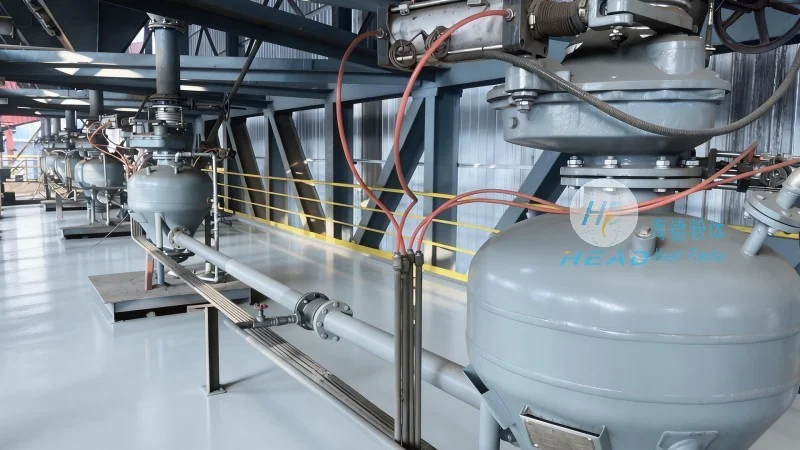
Pneumatic conveying, also known as air conveying, is a method of transporting bulk materials through a pipeline using a stream of air. In the case of polyethylene pellets, the system typically operates by generating a high-velocity airflow within the conveying line. This airflow creates a negative pressure or positive pressure environment that draws the pellets into the pipeline. The pellets are then carried along the pipeline by the moving air, often in a dilute-phase or dense-phase mode depending on the system design and material properties.
The process begins with the pellets being introduced into the conveying line, usually at a hopper or feed point. A fan or blower supplies the necessary air pressure and volume to move the material. The air velocity is carefully controlled to ensure that the pellets are suspended and transported without excessive abrasion or degradation. The conveying line may include components such as bends, filters, and cyclones to direct the flow and separate the pellets from the air at the discharge point. The entire system is designed to maintain the integrity of the polyethylene pellets while ensuring efficient transport from the source to the destination.
Key Characteristics of Pneumatic Conveying Systems for Polyethylene Pellets
When considering pneumatic conveying for polyethylene pellets, several key characteristics make this method particularly suitable for industrial applications. First, the system offers high efficiency in material transport, with the ability to move large volumes of pellets over long distances with minimal labor. The use of air as the conveying medium eliminates the need for mechanical components like belts or buckets, reducing maintenance requirements and operational costs.
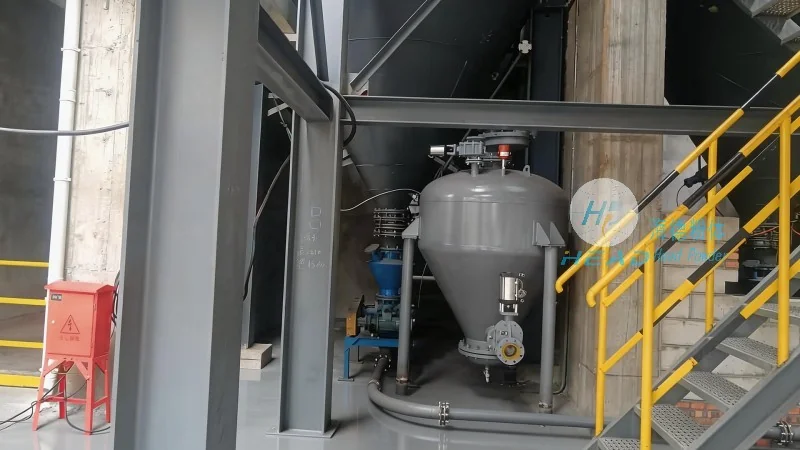
Another significant characteristic is the cleanliness and hygiene of pneumatic conveying. Since the material is transported in an enclosed system, there is no risk of contamination from external sources, which is critical for polyethylene pellets used in food packaging or medical applications. The system also helps maintain the purity of the pellets by preventing dust or debris from entering the pipeline, ensuring that the final product meets stringent quality standards.
Flexibility is another advantage of pneumatic conveying systems. They can be easily adapted to different production layouts and can handle varying material flow rates. The system can be configured for both dilute-phase (where pellets are suspended in air) and dense-phase (where pellets are packed more tightly) conveying, allowing for customization based on the specific needs of the polyethylene pellets being transported. This adaptability makes pneumatic conveying a versatile solution for various industrial settings.
Advantages of Pneumatic Conveying for Polyethylene Pellet Handling
Implementing a pneumatic conveying system for polyethylene pellets brings several advantages that enhance overall operational performance. One of the primary benefits is the reduction in labor and operational costs. By automating the material transport process, companies can minimize the need for manual handling, which not only saves time but also reduces the risk of workplace injuries. The enclosed system also contributes to a safer working environment by containing dust and preventing exposure to the material during transport.
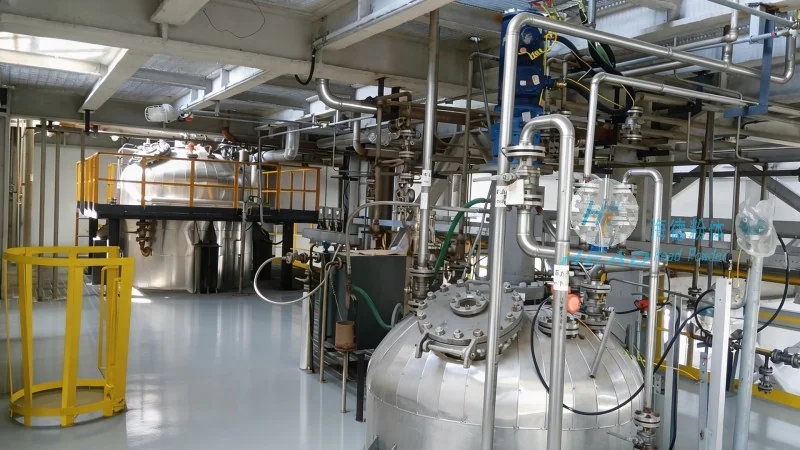
Energy efficiency is another key advantage. Modern pneumatic conveying systems are designed to optimize air usage, reducing energy consumption while maintaining effective material transport. The use of high-efficiency fans and blowers, combined with proper system design, ensures that the energy required for conveying is minimized without compromising performance. This efficiency is particularly important for large-scale operations where energy costs can significantly impact the bottom line.
Furthermore, the system's ability to handle different pellet sizes and shapes makes it a flexible solution for diverse production needs. Whether dealing with standard pellets or specialized formulations, the pneumatic conveying system can be adjusted to accommodate variations in material properties. This adaptability ensures that the system remains effective even as production requirements change over time.
Conclusion
Pneumatic conveying is a highly effective method for transporting polyethylene pellets, offering a combination of efficiency, cleanliness, and flexibility that meets the demands of modern industrial applications. By understanding the working principle and key characteristics of such systems, companies can make informed decisions about implementing or upgrading their material handling processes. The expertise of companies like Shandong HeadPowder Engineering Co., Ltd., based in China, provides valuable support in designing and deploying these systems to ensure optimal performance and reliability in polyethylene pellet handling.