

Working Principle and Characteristics of Pneumatic Conveying for Straw Ash Materials
HeadPowder, or Shandong HeadPowder Engineering Co., Ltd., is a professional manufacturer and supplier based in Shandong, China. The company specializes in providing advanced solutions for material handling, particularly in the field of pneumatic conveying systems for agricultural residues like straw ash.
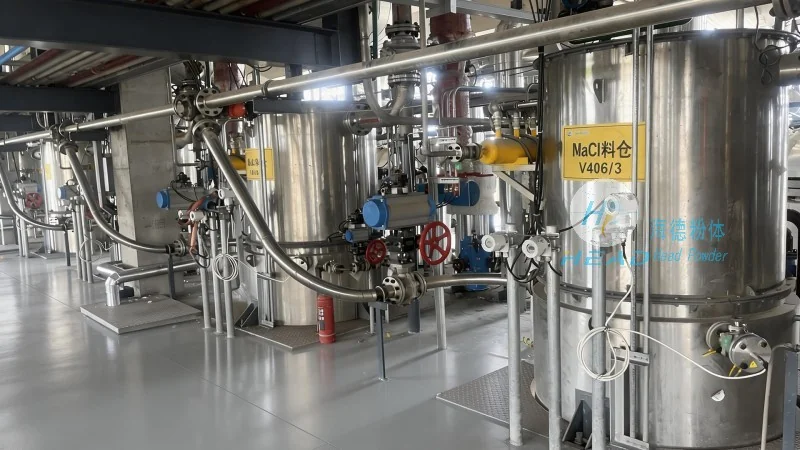
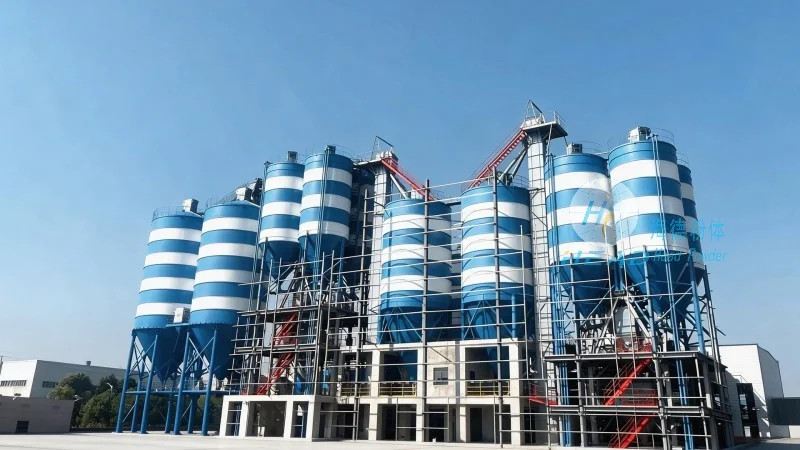
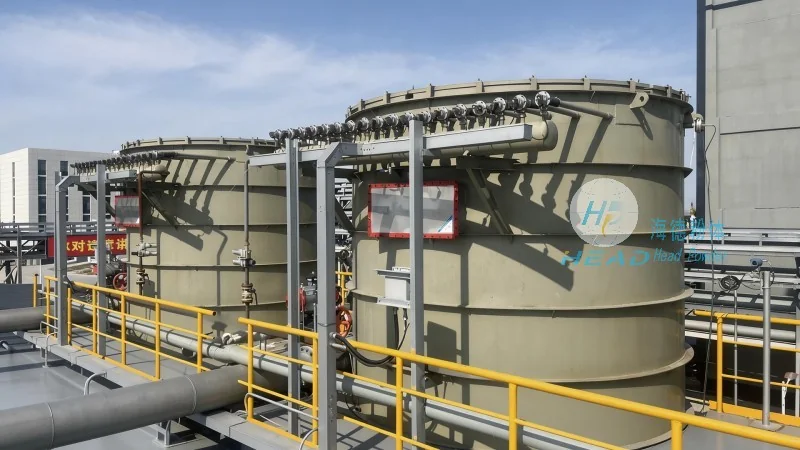
Working Principle of Pneumatic Conveying for Straw Ash Materials
Pneumatic conveying for straw ash materials operates by using a combination of air flow and pressure to transport the material from a source to a destination. The process typically involves several key components and steps. First, the straw ash is fed into a hopper or feeder. Then, a fan or blower generates a high-velocity air stream. This air stream picks up the particles of straw ash and carries them through a pipeline to the receiving tank or processing unit. The system may use either positive pressure (where air is forced into the pipeline) or negative pressure (where air is drawn out from the pipeline). The choice of system depends on factors such as the distance to be covered, the volume of material, and the characteristics of the material itself. The air flow rate is carefully controlled to ensure efficient and stable transport without causing excessive wear on the equipment or causing the material to settle prematurely. The process begins with the material being loaded into a hopper or storage silo. From there, the material is fed into the conveying line via a feeder, such as a rotary valve or a screw feeder. The fan or blower then generates the necessary air pressure or vacuum to transport the material. The air velocity is critical; it must be high enough to lift and carry the particles but not so high as to cause excessive pressure drop or wear on the system components. The pipeline design, including bends and fittings, is optimized to minimize friction and pressure loss. The receiving end of the system typically includes a separator or cyclone to separate the material from the air stream, allowing the straw ash to be deposited in the target container while the air is either filtered and recirculated or vented to the atmosphere. This separation process is essential for maintaining the purity of the material and ensuring the system operates efficiently.
Key Characteristics and Advantages of Straw Ash Pneumatic Conveying Systems
Straw ash pneumatic conveying systems offer several distinct advantages that make them suitable for various industrial applications. One of the primary benefits is the ability to transport materials in a closed system, which helps to prevent dust emissions and maintain a clean working environment. This is particularly important for straw ash, which can be dusty and potentially hazardous if not handled properly. Another advantage is the flexibility of the system, as it can be easily adapted to different production scales and layouts. The systems are also relatively compact compared to traditional methods like belt conveyors, saving space in industrial facilities. Additionally, pneumatic conveying can handle a wide range of particle sizes and moisture contents, making it versatile for different types of straw ash. The systems are designed to be energy-efficient, with optimized air flow and pressure control reducing operational costs. Maintenance is generally straightforward, with regular checks on the fan, pipeline, and feeder components ensuring long-term reliability. The closed system also helps to protect the material from contamination, which is crucial for applications where the straw ash is used as a raw material in other processes. Furthermore, the closed-loop design of pneumatic conveying systems enhances safety and environmental compliance. By containing the material within the pipeline, the system reduces the risk of dust explosions and minimizes the release of airborne particles into the environment. This is especially beneficial in regions with strict air quality regulations. The systems are also adaptable to automation, allowing for integration with other production processes such as grinding, mixing, or packaging. This integration improves overall production efficiency and reduces labor costs. The durability of the equipment is another key characteristic, as the components are constructed from materials resistant to abrasion and corrosion, ensuring long service life even with abrasive straw ash particles. The energy efficiency of the system is achieved through precise control of air flow and pressure, which reduces energy consumption compared to other material handling methods. This not only lowers operational costs but also contributes to a more sustainable operation.