

Working Principle and Characteristics of Pneumatic Conveying for Quicklime Powder Materials
Shandong HeadPowder Engineering Co., Ltd., commonly known as headpowder, specializes in the engineering and application of pneumatic conveying systems for various powder materials, including quicklime powder. Based in Shandong, China, the company leverages advanced technology and expertise to provide efficient and reliable solutions for material handling in industrial settings. This article explores the fundamental working principle and key characteristics of pneumatic conveying systems specifically designed for quicklime powder, highlighting how these systems enhance operational efficiency and safety in material transport processes.
The Working Principle of Pneumatic Conveying for Quicklime Powder
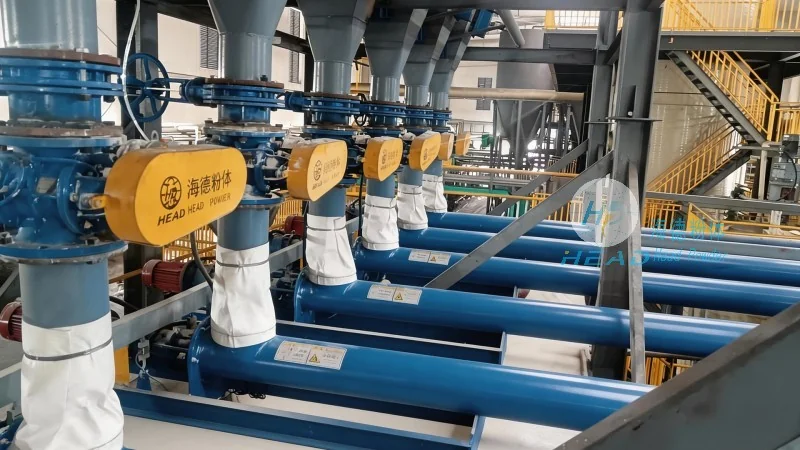
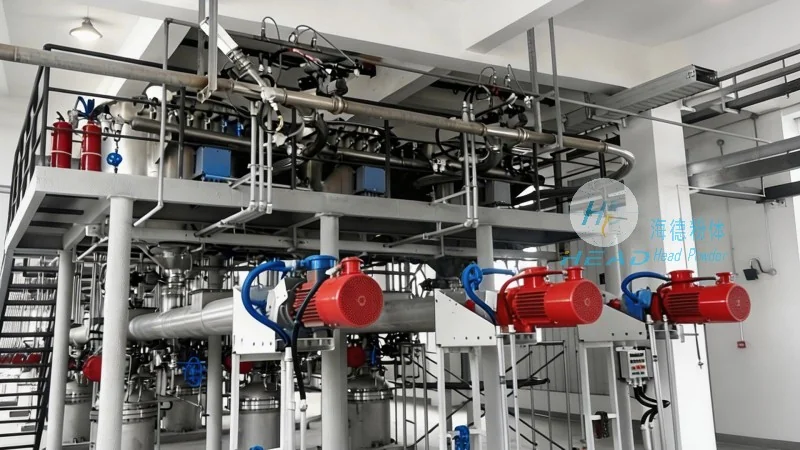
Pneumatic conveying, also known as air conveying, is a method of transporting bulk materials like quicklime powder through a pipeline using air or gas as the conveying medium. The process typically involves a series of components that work in concert to move the powder from the source to the destination. At the heart of the system is a blower or compressor that generates the necessary air pressure to create a flow within the pipeline. The quicklime powder is then introduced into the pipeline, often through a hopper or feeder, where it is mixed with the air stream. As the air flows through the pipeline, it carries the powder particles along, ensuring uniform transport. The system may include various components such as a filter to capture any dust or particles, a silencer to reduce noise, and a control system to regulate the flow rate and pressure. The working principle relies on the balance between air velocity and particle size, density, and moisture content to ensure effective and continuous transport without clogging or degradation of the material.
Key Characteristics of Pneumatic Conveying Systems for Quicklime Powder
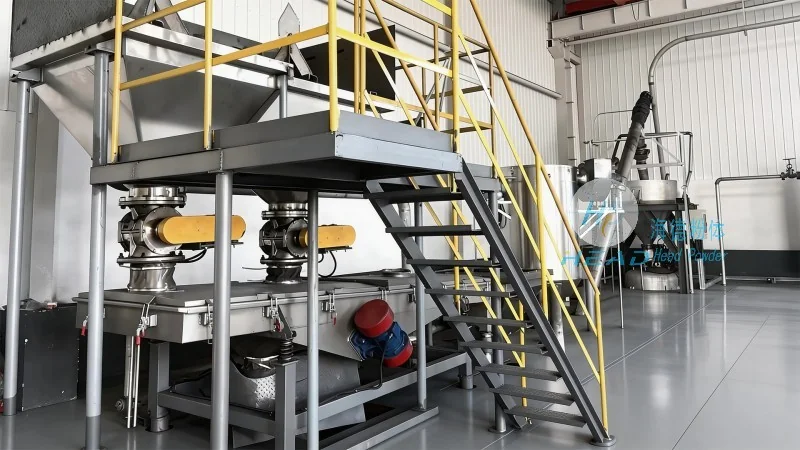
When applied to quicklime powder, pneumatic conveying systems exhibit several distinct characteristics that make them advantageous for industrial applications. First, the systems are highly flexible, allowing for the conveyance of materials over long distances and through complex layouts without the need for extensive mechanical components like conveyors or elevators. This flexibility is particularly beneficial in plants where space is limited or where the layout of the facility requires non-linear transport paths. Second, pneumatic conveying systems offer excellent control over the flow rate and pressure, enabling precise regulation of the material transport. This control is crucial for maintaining consistent product quality and preventing overloading or underloading of downstream equipment. Third, the systems are designed to minimize material degradation and dust generation, which is critical for quicklime powder as it can be reactive and prone to clumping or dust explosion risks. The use of appropriate air velocities and pipeline design helps to maintain the integrity of the powder, ensuring it remains in a free-flowing state throughout the conveying process. Additionally, the systems are generally more hygienic and easier to clean compared to traditional mechanical conveying methods, which is important for industries where product purity and compliance with regulations are paramount. Finally, the energy efficiency of pneumatic conveying systems, especially when optimized for the specific properties of quicklime powder, can lead to cost savings over time by reducing operational costs and maintenance requirements.
Advantages and Considerations for Quicklime Powder Pneumatic Conveying
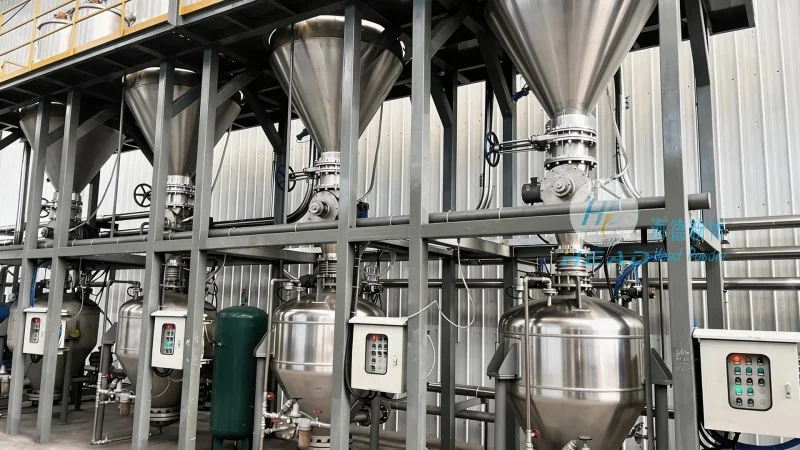
Implementing pneumatic conveying for quicklime powder offers several advantages that make it a preferred choice for many industrial applications. The primary benefit is the ability to transport materials in a closed system, which reduces exposure to environmental factors and minimizes dust emissions, thereby improving workplace safety and compliance with environmental regulations. This closed system also helps to maintain the quality of the quicklime powder by preventing contamination from external sources. Another significant advantage is the reduced need for manual handling, which lowers labor costs and minimizes the risk of workplace injuries associated with lifting and moving heavy or bulky materials. Furthermore, the systems are generally more compact and require less floor space compared to traditional bulk handling equipment, making them suitable for facilities with limited space. However, there are also considerations to keep in mind when selecting a pneumatic conveying system for quicklime powder. The high reactivity of quicklime can lead to challenges such as corrosion of the pipeline materials if not properly selected, as the material may react with certain metals or coatings. Therefore, the choice of pipeline material, such as stainless steel or specialized coatings, is critical to ensure the longevity and performance of the system. Additionally, the moisture content of the quicklime powder can affect the conveying efficiency, as higher moisture levels may lead to increased friction and potential clogging. Proper moisture control and system design are essential to maintain optimal performance. Finally, the initial investment cost for pneumatic conveying systems can be higher than for some mechanical conveying methods, although the long-term operational savings and improved efficiency often justify the upfront expense.