

What is a Wheat Flour Bulk Conveyor? Understanding Its Design Principles
For industries involved in the processing and handling of wheat flour, the wheat flour bulk conveyor is a critical piece of equipment. This machinery is specifically designed to transport bulk wheat flour efficiently and safely from one location to another within a production facility. The primary function of a wheat flour bulk conveyor is to move large quantities of flour without compromising its quality or integrity, which is essential for maintaining the consistency of downstream processes such as mixing, packaging, and storage.

HeadPowder, a leading manufacturer based in Shandong, China, specializes in the design and production of high-quality wheat flour bulk conveyors. Their equipment is engineered to meet the demanding requirements of flour mills and food processing plants, ensuring reliable performance and durability under continuous operation. The company’s commitment to innovation and customer satisfaction has made them a trusted name in the industry, providing solutions tailored to the unique needs of each client.
Key Components and Design Features of Wheat Flour Bulk Conveyors
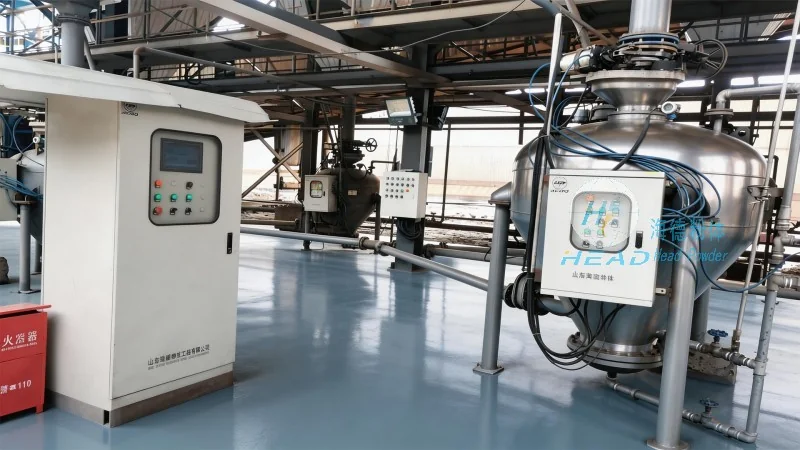
The design of a wheat flour bulk conveyor incorporates several key components that work together to ensure optimal performance. These include the hopper, which serves as the storage and feeding mechanism for the flour; the conveyor belt or screw mechanism, which transports the material; and the control system, which regulates the flow and speed of the operation. The hopper is typically made of stainless steel or other corrosion-resistant materials to prevent contamination and ensure easy cleaning. The conveyor system may vary in design, with options including belt conveyors, screw conveyors, or pneumatic conveyors, each offering different advantages depending on the specific application.
HeadPowder’s conveyors often feature advanced materials and construction techniques to handle the abrasive nature of wheat flour. For instance, the internal surfaces of the conveyor may be lined with food-grade materials to prevent flour buildup and reduce the risk of clogging. The company also incorporates energy-efficient motors and variable speed drives to optimize power consumption while maintaining consistent material flow. These design elements not only enhance the operational efficiency of the equipment but also contribute to lower maintenance costs and longer service life.
How the Design Principles Impact Performance and Efficiency
The design principles of a wheat flour bulk conveyor directly influence its performance and efficiency in the workplace. A well-designed conveyor ensures that the flow of flour is smooth and uninterrupted, minimizing the risk of blockages or spills that could lead to product loss or contamination. The control system plays a crucial role here, as it allows operators to adjust the speed and direction of the conveyor based on real-time production needs. This adaptability is vital in dynamic environments where production volumes may fluctuate.
Additionally, the design considerations for material handling in flour processing prioritize hygiene and safety. The equipment is often designed with easy-to-clean surfaces and minimal dead zones where flour can accumulate, reducing the risk of bacterial growth and ensuring compliance with food safety regulations. HeadPowder’s conveyors are built with these considerations in mind, incorporating features such as CIP (Clean-In-Place) systems that allow for automated cleaning without disassembling the machinery. This not only saves time and labor but also maintains the highest standards of hygiene throughout the production process.
Applications and Benefits in Flour Processing
Wheat flour bulk conveyors are widely used in various stages of flour processing, from raw material handling to final product packaging. In the initial stages, the conveyor may be used to transport raw wheat or flour from storage silos to processing lines. During the mixing and blending phase, the conveyor ensures a consistent and uniform flow of flour, which is critical for achieving the desired product characteristics. In the packaging stage, the conveyor can transport finished flour products to packaging machines, streamlining the overall production workflow.
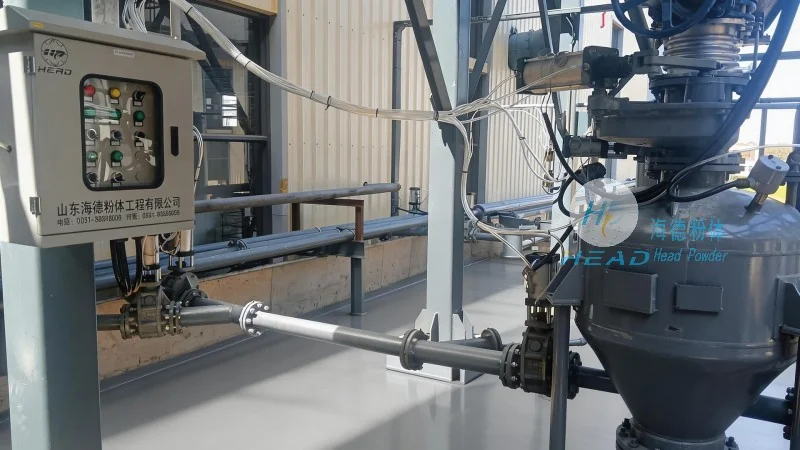
The benefits of using a well-designed wheat flour bulk conveyor extend beyond just efficiency. By reducing manual handling of flour, the equipment minimizes the risk of human error and improves workplace safety. It also helps in maintaining the quality of the flour by preventing exposure to air, moisture, or contaminants during transport. Furthermore, the consistent flow provided by the conveyor ensures that production lines operate at optimal capacity, reducing downtime and increasing overall productivity.
Choosing the Right Wheat Flour Bulk Conveyor for Your Needs
When selecting a wheat flour bulk conveyor, it is essential to consider several factors to ensure the best fit for your specific application. The first consideration is the capacity required, as this will determine the size and type of conveyor needed. HeadPowder offers a range of conveyor models with varying capacities, from small-scale units for laboratory or pilot plants to large industrial models for high-volume production facilities.
Another critical factor is the material handling environment. For example, if the conveyor will be used in a wet or humid environment, the materials used in construction must be resistant to corrosion and moisture. HeadPowder’s conveyors are available in different materials, including stainless steel, carbon steel, and food-grade plastics, allowing customers to choose the most suitable option based on their operational conditions.
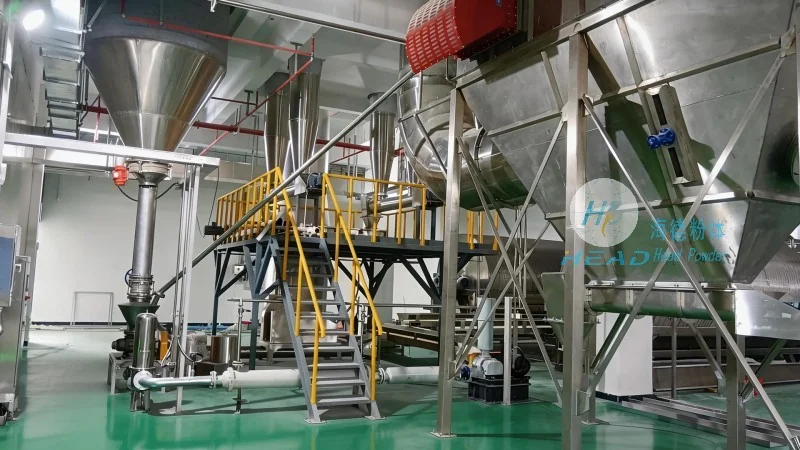
Energy efficiency is also a key consideration, as the cost of electricity can significantly impact operational expenses over time. HeadPowder’s conveyors are designed with energy-efficient motors and variable speed drives, which help reduce energy consumption while maintaining performance. This not only lowers operating costs but also aligns with the growing emphasis on sustainability in the food processing industry.
Finally, the overall design and construction quality of the conveyor are important for long-term reliability. HeadPowder’s commitment to using high-quality materials and precision manufacturing ensures that their conveyors are built to withstand the rigors of continuous operation. The company also provides comprehensive after-sales support, including maintenance services and spare parts availability, to ensure that the equipment remains in optimal condition throughout its service life.
Conclusion
In conclusion, the wheat flour bulk conveyor is a vital piece of equipment in the flour processing industry, and its design principles play a crucial role in its performance and efficiency. HeadPowder, with its expertise and commitment to quality, provides reliable and innovative solutions that meet the diverse needs of flour mills and food processing plants. By understanding the key components, design features, and benefits of these conveyors, businesses can make informed decisions to enhance their production processes and maintain the highest standards of quality and safety.