

Working Principle and Characteristics of Polyurethane Material Pneumatic Conveying
Polyurethane materials are widely used in various industrial applications due to their excellent properties such as abrasion resistance, chemical stability, and flexibility. When it comes to material handling, pneumatic conveying is a common method for transporting polyurethane powders or granules. Understanding the working principle and characteristics of this process is crucial for optimizing material transport efficiency and ensuring safe operation. This article will explore the fundamental aspects of polyurethane material pneumatic conveying, including its working mechanism and key characteristics.
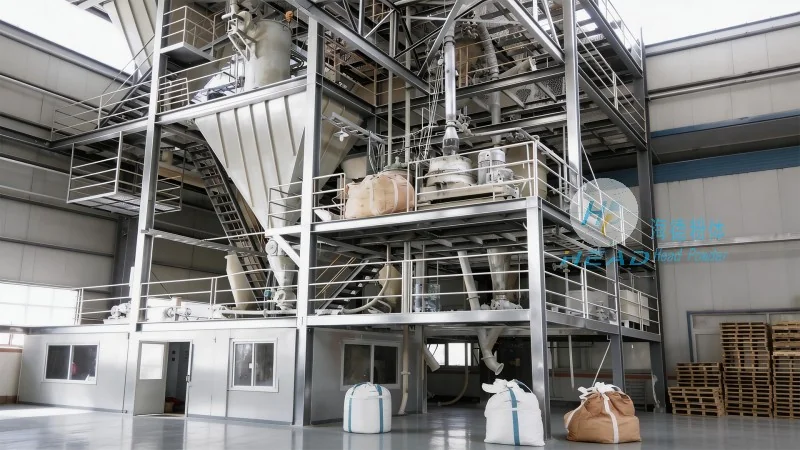
The Working Principle of Polyurethane Material Pneumatic Conveying
Pneumatic conveying involves the use of air or gas to transport solid materials through a pipeline system. For polyurethane materials, the process typically operates under pressure or vacuum conditions. The working principle can be broken down into several key steps:
1. Air Supply and Pressure Generation: A blower or compressor generates the necessary air pressure to move the polyurethane particles. The pressure level is determined by the material's properties, such as particle size, density, and flowability. Higher pressure is often required for materials with larger particles or lower flowability.
2. Material Introduction: The polyurethane material is introduced into the conveying line, either by gravity or through a feeder. The feeder ensures a consistent flow rate, preventing blockages and maintaining system efficiency.
3. Conveying Process: The air stream carries the polyurethane particles through the pipeline. The velocity of the air must be sufficient to overcome the gravitational and frictional forces acting on the particles. The conveying line is designed with appropriate bends and fittings to minimize pressure loss and ensure smooth material transport.
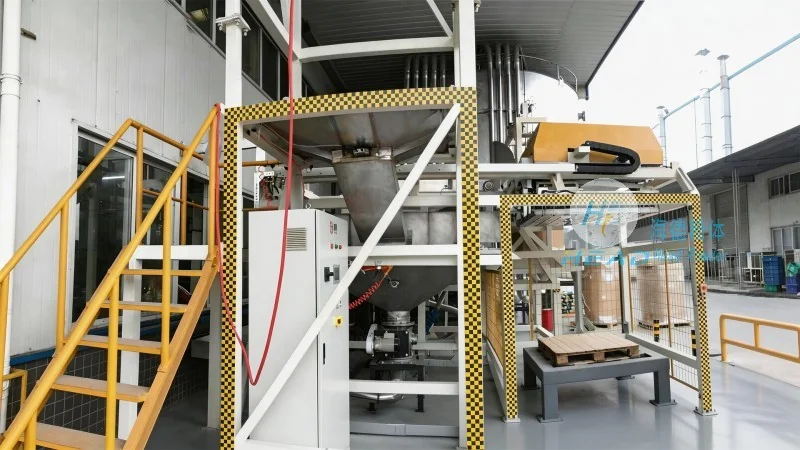
4. Discharge and Separation: At the receiving end, the air and polyurethane particles are separated. A separator, such as a cyclone or filter, removes the particles from the air stream, allowing the air to be recirculated or vented. The separated polyurethane material is then collected in a storage or processing unit.
Key Characteristics of Polyurethane Material Pneumatic Conveying
The characteristics of polyurethane material pneumatic conveying are influenced by several factors, including the material's physical properties, system design, and operational parameters. Some of the key characteristics are:
1. Abrasion Resistance: Polyurethane materials are known for their high abrasion resistance, which is beneficial for long-term operation of the conveying system. The wear on the pipeline and components is minimized, extending the system's lifespan.
2. Chemical Stability: Polyurethane is resistant to many chemicals, including acids, bases, and solvents. This makes it suitable for conveying materials that may be corrosive or reactive, without damaging the conveying system.
3. Flowability: The flowability of polyurethane powders or granules can vary depending on their moisture content and particle size distribution. Proper conditioning and feeding can improve flowability, ensuring consistent conveying performance.
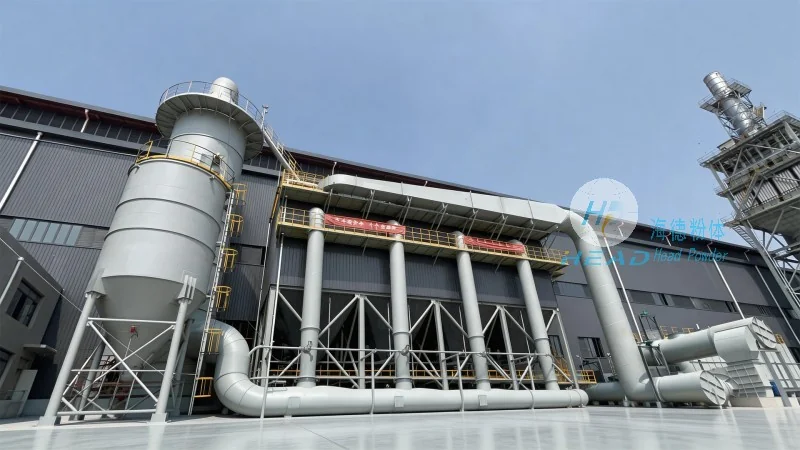
4. System Efficiency: Pneumatic conveying systems can achieve high material transport rates with minimal energy consumption compared to other methods like mechanical conveying. The efficiency is influenced by the system design, including the air velocity, pipeline diameter, and number of bends.
5. Environmental Considerations: Pneumatic conveying can help reduce dust emissions compared to other methods, as the material is contained within the pipeline. However, proper filtration and air treatment are necessary to comply with environmental regulations.
Company Profile: Shandong HeadPowder Engineering Co., Ltd.
Shandong HeadPowder Engineering Co., Ltd., commonly known as HeadPowder, is a leading manufacturer and supplier of pneumatic conveying systems and related equipment. With a focus on innovation and quality, HeadPowder provides customized solutions for various industrial applications, including polyurethane material handling. The company's headquarters is located in Shandong, China, and it has a strong reputation for delivering reliable and efficient conveying systems.
HeadPowder's expertise lies in designing and manufacturing pneumatic conveying systems that meet the specific requirements of different industries. The company uses advanced technology and materials to ensure the durability and performance of its products. Customers can rely on HeadPowder for comprehensive solutions, from system design and installation to maintenance and support.