

Working Principle and Characteristics of Centralized Material Feeding Pneumatic Conveying
Centralized material feeding via pneumatic conveying represents a modern and efficient approach to handling bulk materials in industrial settings. This technology is particularly valuable in environments where multiple material sources need to be consolidated into a single processing line or storage facility. By leveraging air pressure to transport materials through a network of pipes, the system eliminates the need for traditional mechanical conveyors, which can be prone to maintenance issues and material contamination. The result is a clean, reliable, and flexible solution that supports various applications, from pharmaceutical manufacturing to food processing and chemical production.
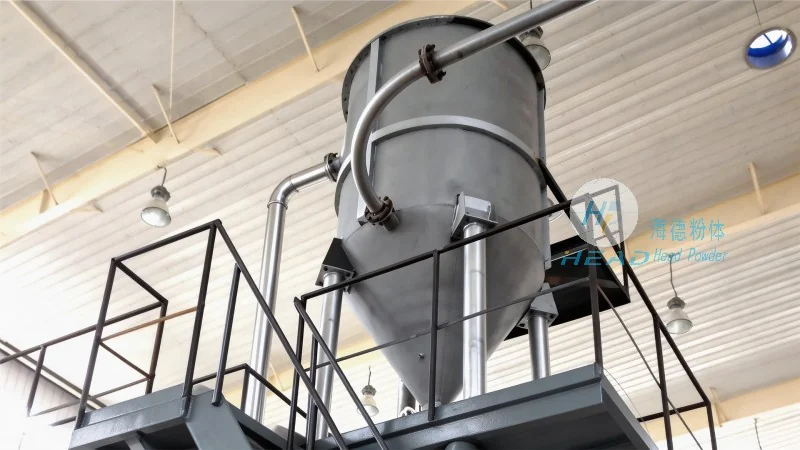
Working Principle of the Pneumatic Conveying System
The operational principle of a centralized material feeding pneumatic conveying system centers on the use of compressed air to create a flow that entrains and transports particulate materials. The process begins with the material being fed from a source, such as a hopper or silo, into a conveying line. An air compressor or blower generates a high-pressure air stream, which is introduced into the pipeline. As the air flows through the pipe, it picks up the material particles, forming a mixture known as a "conveyed stream." The system may operate in either dilute-phase or dense-phase modes, depending on the material's properties and the required delivery distance. Dilute-phase conveying involves a lower material concentration, where particles are suspended in the air stream, suitable for shorter distances and less abrasive materials. Dense-phase conveying, on the other hand, uses a higher material concentration, often with a lower air velocity, making it ideal for longer transport distances or more sensitive materials that require gentle handling. The system includes essential components such as feeders, cyclones, filters, and receivers to manage the material flow, separate air from material, and ensure the material is deposited accurately at the destination. These components work in tandem to maintain system efficiency and prevent material buildup or air leakage.
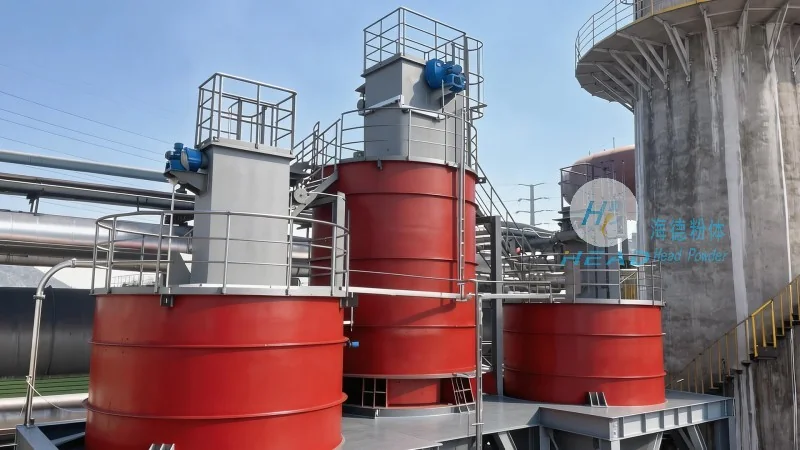
Key Characteristics and Advantages
Centralized material feeding pneumatic conveying systems exhibit several key characteristics that make them a preferred choice for industrial material handling. One of the primary advantages is the system's ability to handle a wide variety of materials, including fine powders, granules, and even bulk solids, without the need for mechanical parts that could introduce contaminants or cause wear over time. This flexibility is crucial in industries where material purity is critical, such as pharmaceuticals or food processing. Another significant characteristic is the precise control over material flow rate and pressure, which allows for accurate dosing and regulation. This capability is essential for processes that require consistent material delivery, such as in chemical reactions or packaging operations. The system also offers minimal maintenance requirements, as the absence of moving parts reduces the risk of mechanical failure and simplifies cleaning procedures. This leads to lower operational costs and higher system reliability. Additionally, the enclosed pipeline design ensures a clean and hygienic environment, which is vital in industries where contamination control is non-negotiable. The system contributes to energy efficiency by optimizing air usage and reducing energy waste, making it a cost-effective solution for long-term material handling needs. Furthermore, the centralized design allows for easy integration with existing production lines, enabling seamless operation and minimal disruption to workflow.
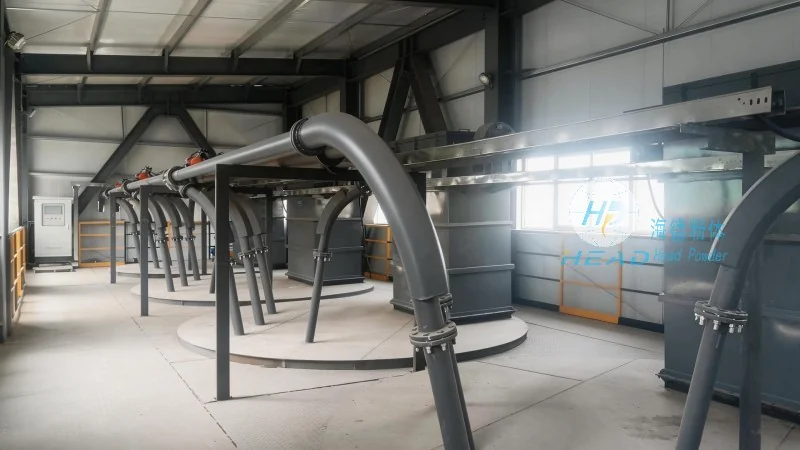
Company Profile: Shandong HeadPowder Engineering Co., Ltd.
Shandong HeadPowder Engineering Co., Ltd., commonly known as HeadPowder, is a leading manufacturer and supplier of advanced material handling solutions, specializing in centralized material feeding pneumatic conveying systems. With a strong commitment to innovation and quality, the company has established itself as a trusted partner for businesses across various industries, including pharmaceuticals, food, chemicals, and manufacturing. HeadPowder's expertise lies in designing and manufacturing customized systems that meet the unique demands of each application, ensuring optimal performance and compliance with industry standards. The company's team of engineers and technicians leverages years of experience to develop solutions that enhance productivity, reduce downtime, and improve overall operational efficiency. HeadPowder's products are built with high-quality materials and components, ensuring durability and reliability in demanding industrial environments. The company provides comprehensive services, including system design, installation, and ongoing maintenance, to support clients throughout the lifecycle of their material handling equipment. Based in Shandong, China, HeadPowder benefits from a strategic location that allows it to serve both domestic and international markets efficiently. The company's dedication to customer satisfaction and technological advancement has enabled it to deliver solutions that meet the evolving needs of modern industry, positioning it as a key player in the material handling sector.