

Working Principle and Characteristics of Polyester Fiber Material Pneumatic Conveying
HeadPowder, a leading provider in the field of material handling solutions, specializes in the design and implementation of pneumatic conveying systems tailored for polyester fiber materials. This article explores the fundamental working principle and key characteristics of such systems, providing a comprehensive overview for industry professionals seeking to understand or implement these technologies.
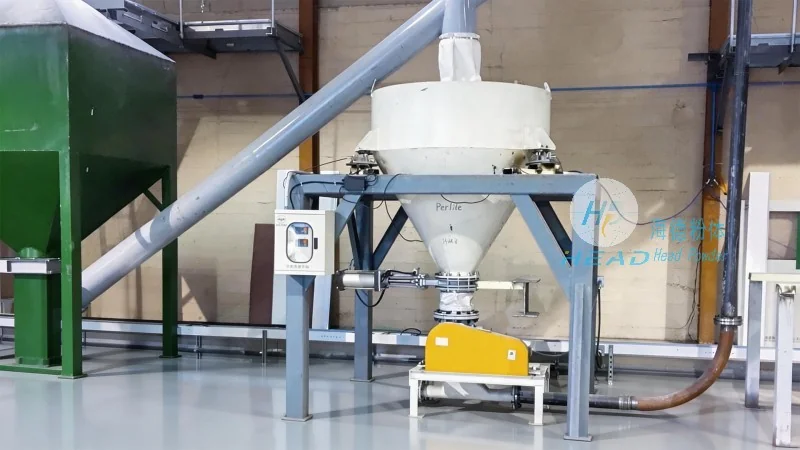
Introduction to Polyester Fiber Pneumatic Conveying
Polyester fibers are widely used in various industries, including textiles, automotive, and construction, due to their durability, strength, and resistance to environmental factors. The efficient and reliable transport of these fibers is crucial for maintaining production efficiency and product quality. Pneumatic conveying offers a non-contact, low-maintenance method for moving polyester fibers from one location to another, making it an ideal solution for many applications.
Working Principle of Pneumatic Conveying for Polyester Fibers
The core working principle of polyester fiber pneumatic conveying systems involves the use of air as the conveying medium to transport the material through a pipeline. The process typically operates under either positive pressure or negative pressure (suction) conditions. In positive pressure systems, compressed air is introduced into the material feed point, creating a high-pressure environment that propels the fibers through the pipeline. Conversely, negative pressure systems draw air and fibers into the system using a vacuum, pulling the material from the source to the destination. The choice between positive and negative pressure depends on factors such as the distance to be covered, the material's properties, and the system's overall design requirements.
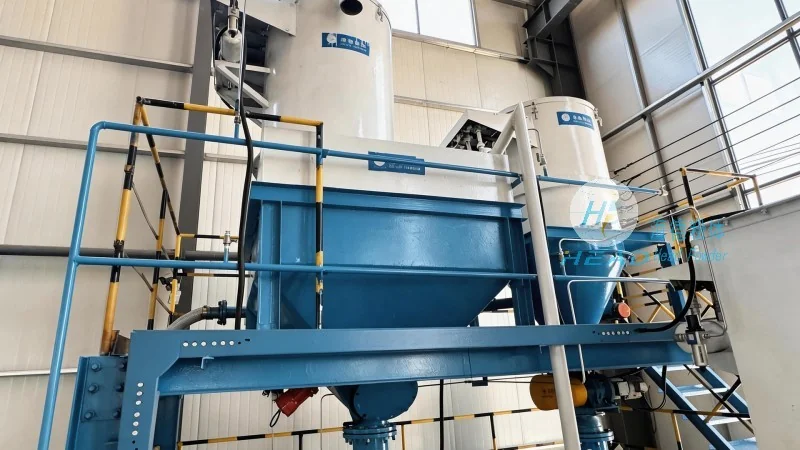
Within the system, polyester fibers are introduced into the conveying line via a hopper or feeder. The feeder ensures a consistent flow of material, preventing blockages and maintaining system efficiency. As the fibers enter the pipeline, they are entrained by the moving air, which carries them along the entire length of the conveying line. The air velocity is carefully controlled to ensure that the fibers are fully suspended and transported without damage. At the discharge point, the air is separated from the fibers, often through a cyclone separator or filter, allowing the fibers to be collected in a designated container while the air is either vented or recirculated.
Key Characteristics of Polyester Fiber Pneumatic Conveying Systems
Several distinct characteristics define the performance and advantages of polyester fiber pneumatic conveying systems. First, the non-contact nature of the process minimizes material degradation, ensuring that the fibers retain their original quality and properties. This is particularly important for polyester fibers, which are sensitive to friction and mechanical stress. Second, the system offers high efficiency in terms of material transport, with the ability to move large volumes of fibers over considerable distances with minimal energy consumption compared to traditional methods like belt conveyors or bucket elevators.
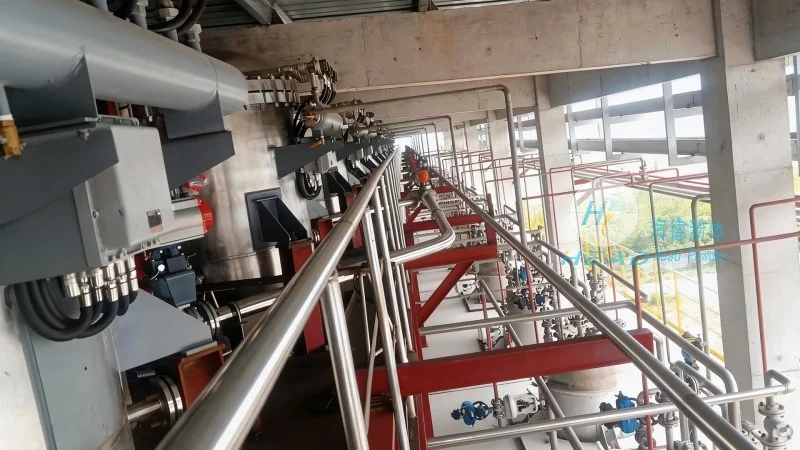
Another key characteristic is the flexibility of the system design. Pneumatic conveying systems can be configured to handle various fiber sizes and shapes, from fine powders to longer fibers, by adjusting the air velocity and pipeline diameter. This adaptability makes the system suitable for a wide range of polyester fiber applications. Additionally, the systems are relatively low in maintenance, as they have fewer moving parts compared to mechanical conveyors, reducing downtime and operational costs.
Environmental considerations are also a significant characteristic of pneumatic conveying systems. By using air as the conveying medium, the system eliminates the need for mechanical components that may generate noise or dust, contributing to a cleaner and more sustainable operation. The ability to recirculate air in some systems further enhances energy efficiency and reduces environmental impact.
Technical Considerations and Application Examples
When implementing a polyester fiber pneumatic conveying system, several technical considerations must be addressed to ensure optimal performance. The selection of the appropriate air velocity is critical, as it must be high enough to fully suspend the fibers but not so high as to cause excessive wear on the system components or degrade the material. The pipeline diameter and length also play a crucial role, as they affect the pressure drop and overall system efficiency. Proper sealing of the system is essential to prevent air leakage, which can reduce conveying efficiency and increase energy consumption.
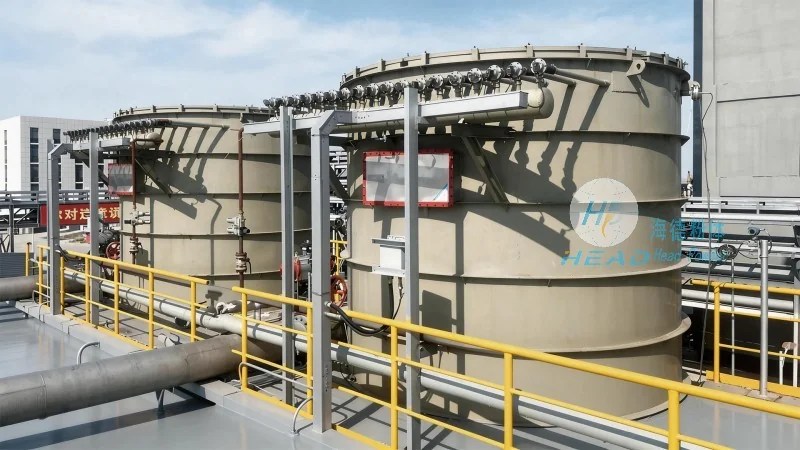
Application examples of polyester fiber pneumatic conveying systems include the transport of polyester fibers from storage silos to processing machinery in textile mills, the movement of fibers between different stages of production in automotive interior manufacturing, and the delivery of fibers to construction sites for insulation applications. In each case, the system's ability to handle large volumes of material efficiently and with minimal disruption to the production process makes it a preferred choice for industry professionals.
HeadPowder Engineering Co., Ltd., based in Shandong, China, specializes in the design, manufacturing, and installation of customized pneumatic conveying systems for polyester fiber applications. With years of experience in the industry, the company provides tailored solutions that meet the specific needs of its clients, ensuring reliable and efficient material handling for polyester fibers. The company's commitment to quality and innovation has made it a trusted partner for businesses seeking to enhance their production processes through advanced material handling technologies.