

Working Principle and Features of Low-Pressure Continuous Material Pneumatic Conveying Systems
Low-pressure continuous material pneumatic conveying systems represent a sophisticated and efficient method for transporting bulk materials over moderate distances. These systems are widely utilized in various industrial sectors, including food processing, pharmaceuticals, chemicals, and mining, due to their ability to handle a broad range of materials while maintaining product integrity and operational efficiency. Developed by Shandong HeadPowder Engineering Co., Ltd. (headpowder), these systems are engineered to deliver reliable performance and adaptability for diverse industrial needs.
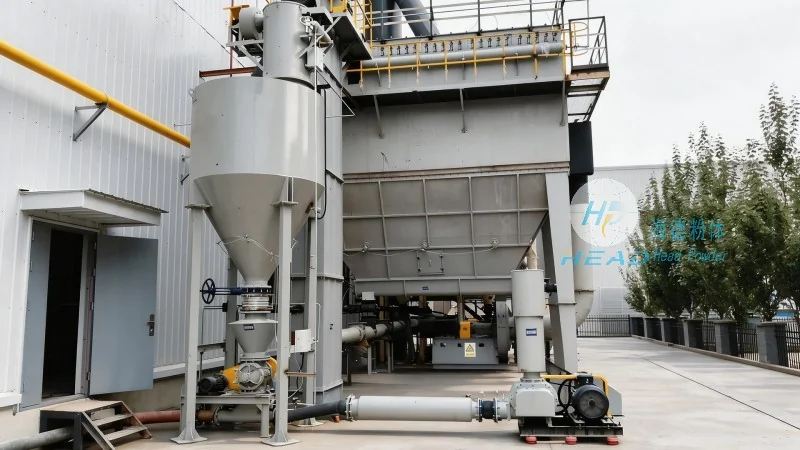
Overview of Low-Pressure Continuous Pneumatic Conveying
At the core of low-pressure continuous pneumatic conveying is the use of a moderate pressure differential (typically ranging from 0.5 to 2 bar) to move materials through a pipeline. Unlike high-pressure systems that rely on high velocity air, low-pressure systems operate with lower air velocities, which reduces energy consumption and minimizes material degradation. The continuous nature of these systems ensures a steady flow of material, making them ideal for applications requiring consistent supply rates.
Working Principle of Low-Pressure Continuous Systems
The fundamental working principle involves the introduction of air into a hopper or feeder, where the material is drawn into the pipeline by the pressure differential. The air and material mixture travels through the pipeline, with the air providing the necessary force to move the material. The system typically includes components such as a feeder, a pressure vessel, a pipeline network, and a discharge point. The feeder controls the material flow rate, while the pressure vessel maintains the air pressure and prevents dust emissions. The pipeline network connects the feeder to the discharge point, and the air flow is regulated to ensure smooth material transport.
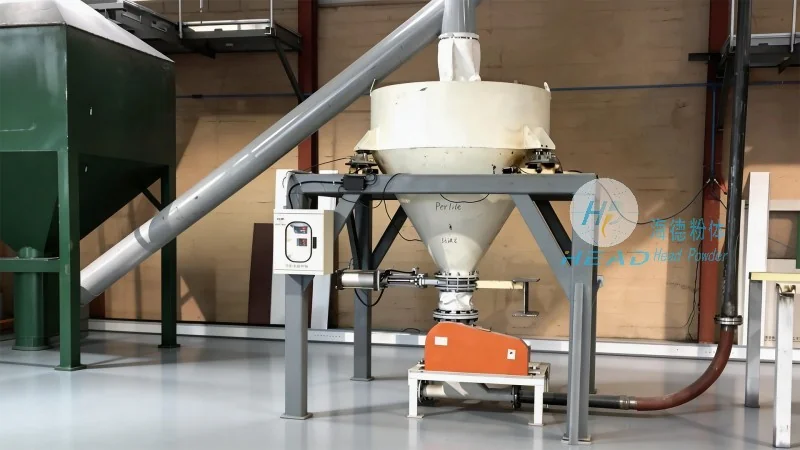
Key Features and Advantages
Low-pressure continuous pneumatic conveying systems offer several distinct advantages that make them a preferred choice for many industries. One of the primary benefits is energy efficiency, as lower air pressures and velocities reduce operational costs compared to high-pressure systems. Additionally, these systems are gentle on the material, minimizing particle breakage and preserving product quality, which is crucial for sensitive materials like food, pharmaceuticals, and fine chemicals. The continuous operation also ensures a stable and reliable material flow, reducing downtime and improving overall productivity. Furthermore, the modular design of these systems allows for easy integration into existing production lines and scalability to accommodate varying material volumes.
Applications in Different Industries
Low-pressure continuous pneumatic conveying systems find applications across diverse industrial sectors. In the food industry, they are used to transport ingredients such as flour, sugar, and spices, ensuring hygienic and efficient handling. In pharmaceutical manufacturing, these systems are employed to convey raw materials and finished products, maintaining strict contamination control and compliance with regulatory standards. The chemical industry utilizes low-pressure systems for transporting powders and granules, such as pigments, polymers, and catalysts, where material integrity and safety are paramount. In mining and mineral processing, these systems are effective for moving bulk materials like ores and coal, reducing the need for manual handling and improving operational safety.
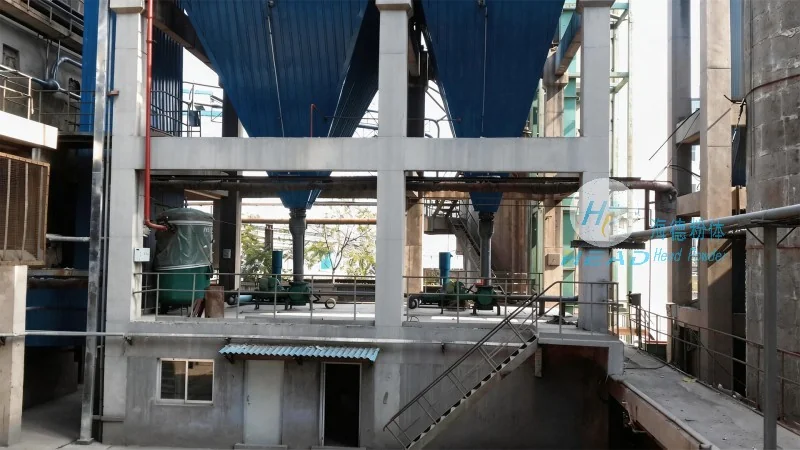
Technical Specifications and Design Considerations
The design of low-pressure continuous pneumatic conveying systems involves careful consideration of several technical parameters to ensure optimal performance. The air velocity in the pipeline is a critical factor, typically maintained between 10 to 20 meters per second to balance material transport and energy efficiency. The pipeline diameter is chosen based on the material characteristics, with larger diameters used for coarser materials and smaller diameters for fine powders. The system's pressure drop is calculated to ensure sufficient air flow while minimizing energy consumption. Additionally, the selection of materials for components such as hoppers, feeders, and pipelines is crucial to prevent material buildup and corrosion, especially for corrosive or abrasive materials. The integration of dust collection systems is also essential to comply with environmental regulations and maintain workplace safety.
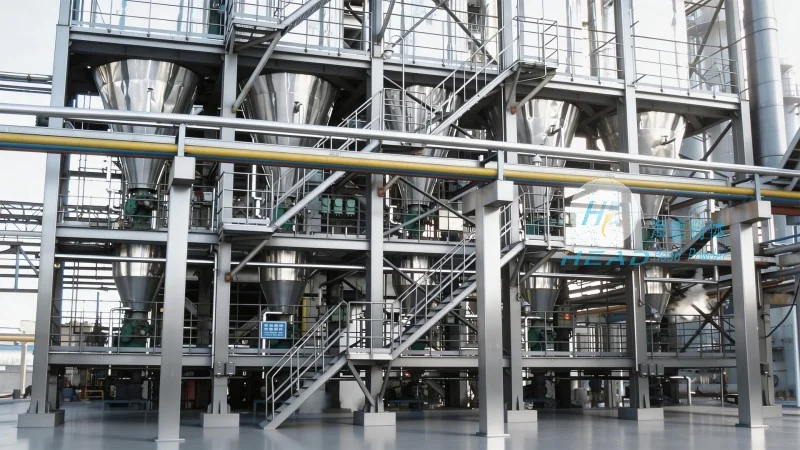
Operational Maintenance and Safety
Proper maintenance and safety protocols are essential for the reliable operation of low-pressure continuous pneumatic conveying systems. Regular inspection of components such as feeders, pressure vessels, and pipelines is necessary to detect and address any wear or damage. Cleaning procedures are required to remove material buildup and prevent clogging, which can lead to system downtime. The use of appropriate safety equipment, including dust masks and protective clothing, is mandatory to protect operators from airborne particles. Additionally, the system should be equipped with emergency shut-off valves and pressure relief devices to prevent over-pressurization and ensure safe operation. Regular performance monitoring, including air flow and pressure measurements, helps identify any deviations from optimal operation and allows for timely adjustments.
Conclusion
Low-pressure continuous material pneumatic conveying systems are a reliable and efficient solution for bulk material transport in various industrial applications. Their ability to handle diverse materials, maintain product integrity, and operate with low energy consumption makes them a preferred choice for many industries. With proper design, maintenance, and safety measures, these systems can provide long-term operational benefits and contribute to improved productivity and cost-effectiveness. As industrial demands continue to evolve, the continued development and refinement of low-pressure pneumatic conveying systems will remain critical for meeting the needs of modern manufacturing processes.