

Introduction to Resin Conveying Systems: Advantages and Features of Pneumatic Resin Conveying
Resin conveying systems are integral to modern industrial processes, providing a reliable method for transporting resin materials from storage to processing equipment. These systems are designed to handle a wide range of resin types, including thermosetting resins like epoxy and polyester, as well as thermoplastic resins such as polyethylene and polypropylene. The primary goal of a resin conveying system is to ensure the efficient, safe, and consistent delivery of resin, minimizing downtime and maximizing production output. A typical resin conveying system consists of several key components: a hopper for material storage, a conveying line (often equipped with air nozzles or Venturi tubes), a control unit to regulate air pressure and flow, and a dust collection system to maintain air quality. Each component works in harmony to ensure the resin is transported without degradation, ensuring the quality of the final product.
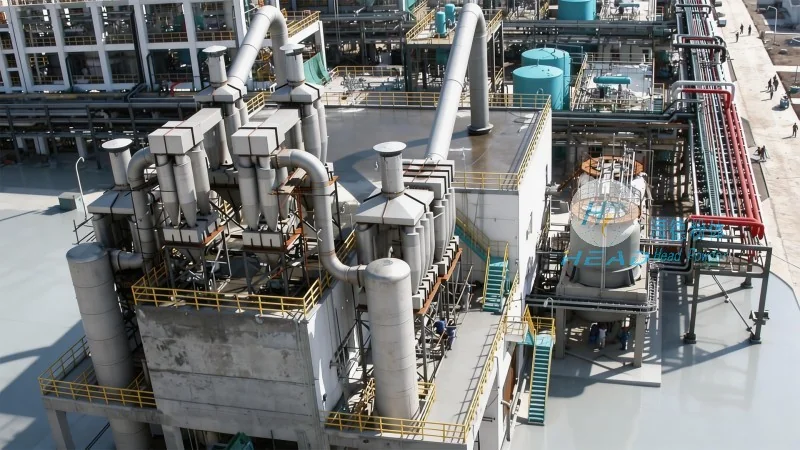
Advantages of Pneumatic Resin Conveying
Pneumatic resin conveying, also known as air-assisted conveying, stands out as a superior method compared to traditional mechanical conveying techniques. One of the most significant advantages is its ability to handle fine and abrasive resin powders without causing excessive wear or degradation. Unlike mechanical systems that rely on rotating parts, pneumatic conveying uses compressed air to create a low-pressure environment, reducing friction and preventing material breakdown. This is particularly beneficial for resins that are prone to caking or agglomeration, as the air flow helps to keep particles separated and in suspension. Another key advantage is the flexibility in system design, allowing for vertical, horizontal, or inclined conveying paths, which can be tailored to fit specific plant layouts. The system also offers better control over the flow rate, enabling precise dosing and delivery to downstream equipment, such as mixers or extruders. Furthermore, pneumatic conveying reduces the risk of product contamination, as the air is filtered and the system is enclosed, preventing external particles from entering the resin stream.
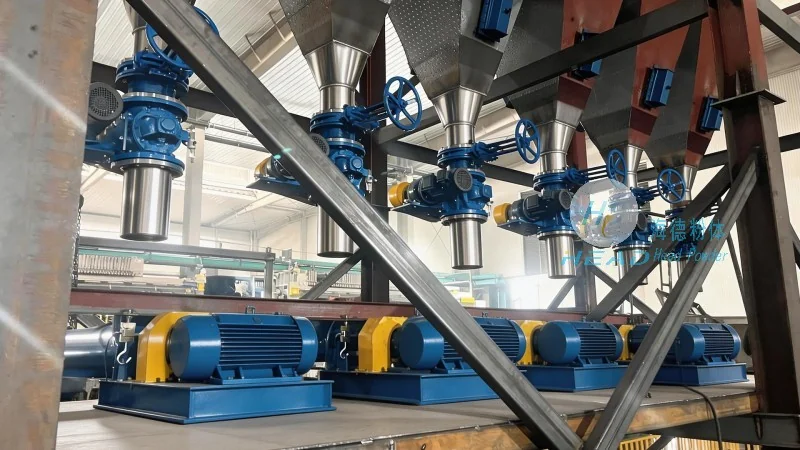
Key Features of Modern Resin Conveying Solutions
Modern resin conveying systems incorporate advanced technological features that enhance performance, reliability, and user experience. One of the notable features is the integration of variable frequency drives (VFDs), which allow for adjustable air pressure and flow rates. This flexibility enables manufacturers to optimize the conveying process based on production demands, such as increasing or decreasing resin flow during different stages of production. Additionally, many contemporary systems are equipped with real-time monitoring and control systems, utilizing sensors to track parameters like pressure, temperature, and flow rate. These systems can automatically adjust settings to maintain optimal performance, reducing the need for manual intervention and minimizing human error. Another important feature is the inclusion of self-cleaning mechanisms, such as automatic filter cleaning or air valve maintenance, which helps in maintaining system efficiency and preventing downtime due to clogged components. The use of high-quality materials, such as stainless steel and corrosion-resistant alloys, ensures the durability of the equipment, extending its service life and reducing long-term maintenance costs. Furthermore, modular design allows for easy integration with existing production lines and facilitates future upgrades or expansions.
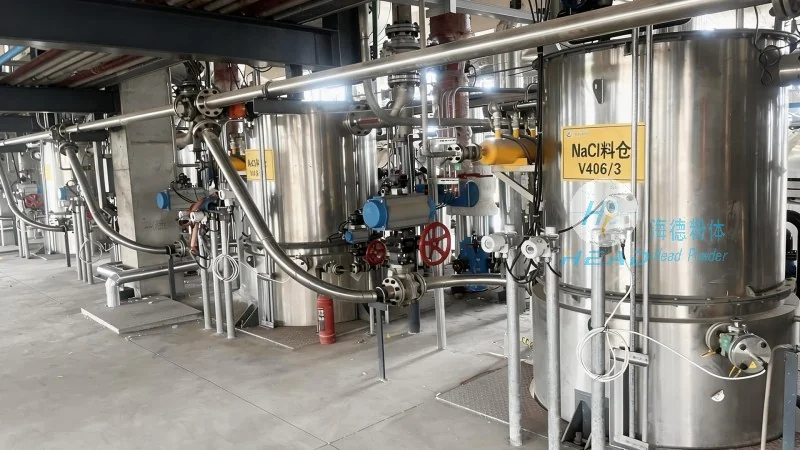
Applications in Industrial Manufacturing
Resin conveying systems find extensive applications across various industrial sectors, each leveraging the system's capabilities to enhance production processes. In the automotive industry, these systems are crucial for transporting resin components used in the manufacturing of interior and exterior parts, such as dashboard panels and door trim. The precision and reliability of resin conveying ensure that the correct amount of resin is delivered to each part, maintaining consistent quality and reducing waste. In the aerospace industry, resin conveying plays a vital role in the production of composite materials, which are used for aircraft components like fuselage panels and engine parts. The ability to handle fine resin powders and deliver them to mixing equipment with minimal contamination is critical for achieving the high strength and lightweight properties required in aerospace applications. The construction industry also benefits from resin conveying systems, as they are used to transport resins used in the production of adhesives, sealants, and coatings. These systems ensure that the resin is delivered to mixing tanks or application equipment in a controlled manner, improving the consistency and performance of the final products. Overall, the versatility of resin conveying systems makes them indispensable in industries where resin handling is a key part of the manufacturing process.
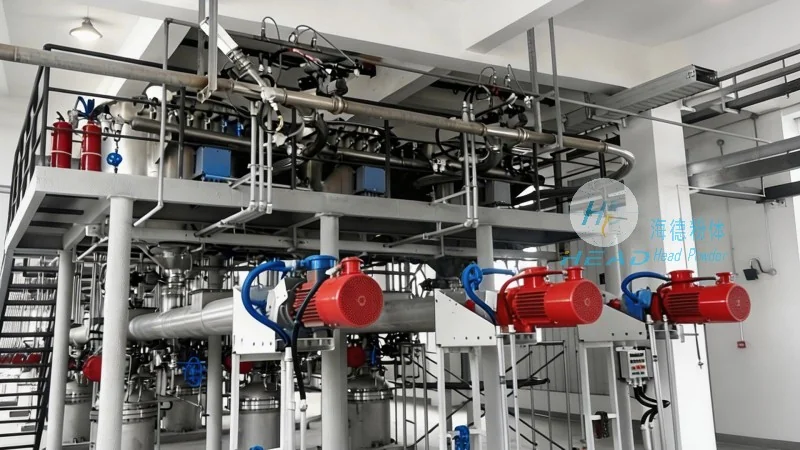
Benefits for Manufacturers
Adopting a resin conveying system offers numerous benefits to manufacturers, contributing to improved operational efficiency and product quality. The most significant advantage is the reduction in production downtime, as pneumatic systems are generally more reliable and require less maintenance compared to mechanical systems. This leads to increased output and higher profitability. Additionally, the use of resin conveying reduces the risk of product contamination, which is essential in industries where quality control is non-negotiable. The enclosed system design and air filtration ensure that the resin remains free from external particles, maintaining the integrity of the final product. Another key benefit is the improved safety in the workplace. By minimizing the handling of loose resin powders, manufacturers reduce the risk of respiratory issues and other health hazards associated with dust exposure. Furthermore, the energy efficiency of modern pneumatic systems helps in lowering operational costs. The use of compressed air is more energy-efficient than mechanical systems, leading to lower electricity bills and a smaller carbon footprint. Overall, resin conveying systems provide a cost-effective and sustainable solution for resin handling, enhancing the competitiveness of manufacturers in the global market.