

Analysis of Silica Powder Pneumatic Conveying Systems
HeadPowder, a leading engineering firm based in Shandong, China, specializes in the design, manufacturing, and installation of advanced pneumatic conveying systems tailored for handling silica powder. This article provides an in-depth analysis of such systems, focusing on their operational principles, key components, and practical applications in industrial settings.
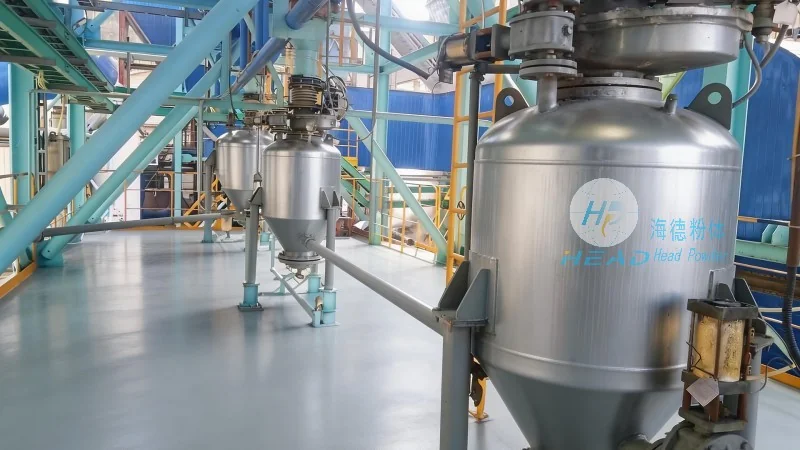
Understanding Pneumatic Conveying Systems for Silica Powder
Pneumatic conveying systems are essential for efficiently transporting bulk materials like silica powder, which is widely used in various industries including construction, glass manufacturing, and chemical processing. These systems utilize air or other gases to move the powder through a pipeline, offering advantages such as reduced dust exposure, improved safety, and enhanced process control compared to traditional methods like belt conveyors or manual handling.
Key Components of Silica Powder Pneumatic Conveying Systems
The core components of a typical silica powder pneumatic conveying system include the material feed hopper, the conveying line (usually made of stainless steel or plastic to prevent material buildup and corrosion), the air supply system (air compressor and filters), and the control valves and regulators. The feed hopper ensures a consistent flow of silica powder into the system, while the conveying line transports the material to the destination. The air supply system generates the necessary pressure and flow rate to move the powder, and the control components manage the system's operation, allowing for adjustments based on material characteristics and process requirements.
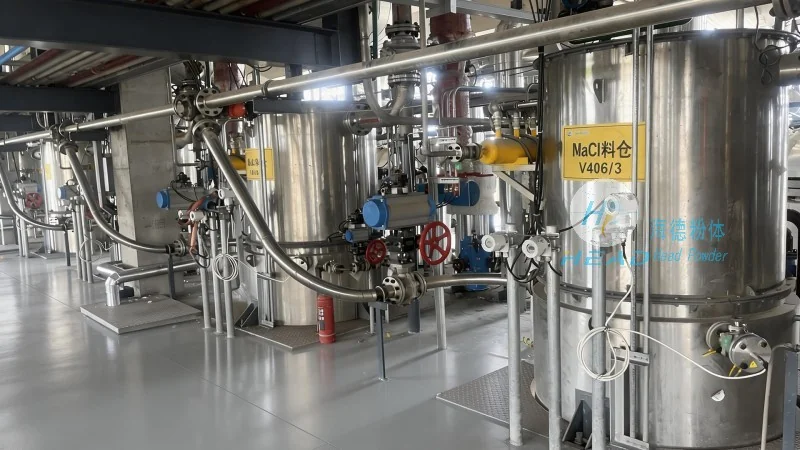
Operational Principles and Types of Conveying Systems
Silica powder pneumatic conveying systems operate on the principle of fluidization, where the powder is suspended in the air stream and transported through the pipeline. There are two main types of systems: dilute-phase and dense-phase. Dilute-phase systems use higher air velocities to keep the powder in a suspended state, suitable for short distances and low to medium material flow rates. Dense-phase systems, on the other hand, use lower air velocities and higher material concentrations, making them ideal for long-distance transport and handling of abrasive or sensitive materials like silica powder.
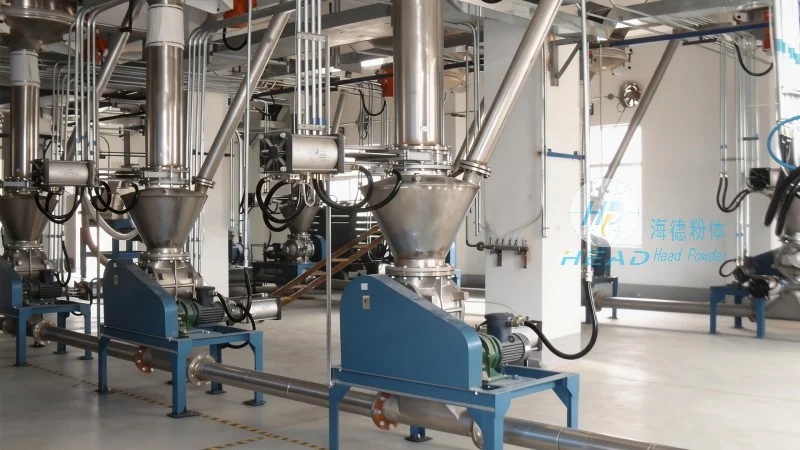
Advantages of Using Pneumatic Conveying for Silica Powder
Implementing a pneumatic conveying system for silica powder offers several benefits. Firstly, it significantly reduces dust generation and improves workplace safety, as the material is contained within the system. Secondly, it minimizes product contamination and degradation, which is crucial for high-purity silica applications. Additionally, these systems provide precise control over material flow rates and pressure, enabling better process integration and automation. Finally, they can be designed to handle varying material characteristics, such as different particle sizes or moisture content, ensuring reliable performance in diverse industrial environments.
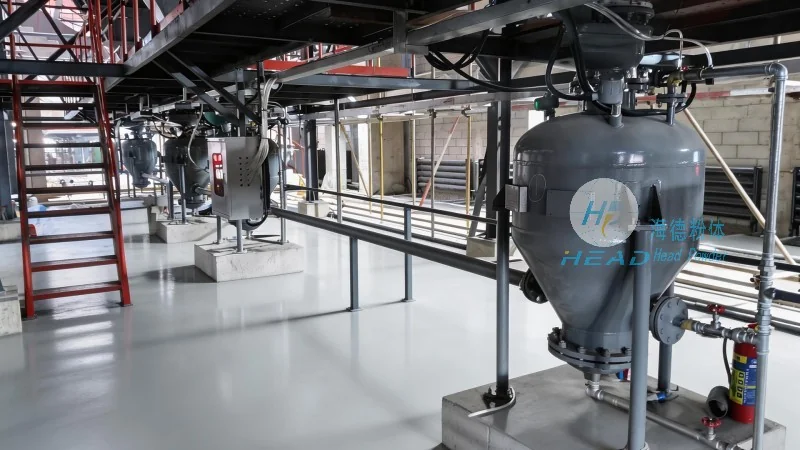
Application Examples in Industrial Settings
HeadPowder's pneumatic conveying systems for silica powder are widely used in various industrial applications. For instance, in glass manufacturing, silica powder is conveyed from storage silos to the melting furnace, where it is used as a raw material. In construction, the system transports silica powder for concrete production, ensuring consistent quality and reduced labor costs. In chemical processing, the system handles silica powder for the production of silica-based products, such as fumed silica or silica gel, where purity and particle size control are critical.
Customization and Maintenance Considerations
HeadPowder understands that each industrial application has unique requirements, and therefore, offers customized pneumatic conveying solutions tailored to specific needs. The company's engineers work closely with clients to assess material properties, process flow rates, and operational constraints to design a system that meets both performance and budgetary goals. Regular maintenance is also essential to ensure the longevity and efficiency of the system. This includes routine checks of air filters, conveying line cleanliness, and component wear, as well as timely replacement of parts to prevent system downtime.