

Analysis of Polyethylene Powder Pneumatic Conveying Systems
Efficient and reliable material handling is a critical aspect of modern industrial operations, particularly when dealing with powders such as polyethylene. Pneumatic conveying systems have emerged as a preferred solution for transporting polyethylene powder due to their ability to minimize product contamination, reduce labor costs, and enhance process safety. This analysis delves into the key components, operational principles, and practical applications of polyethylene powder pneumatic conveying systems, providing insights into how these systems optimize material transport in industrial settings.
Overview of Polyethylene Powder Pneumatic Conveying Systems
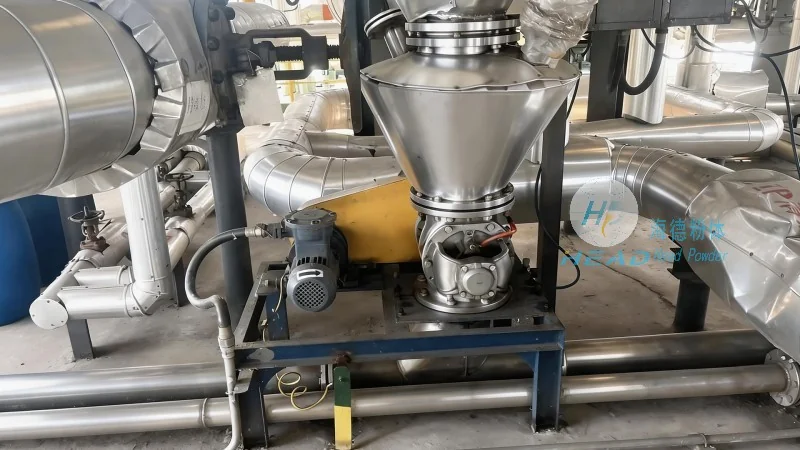
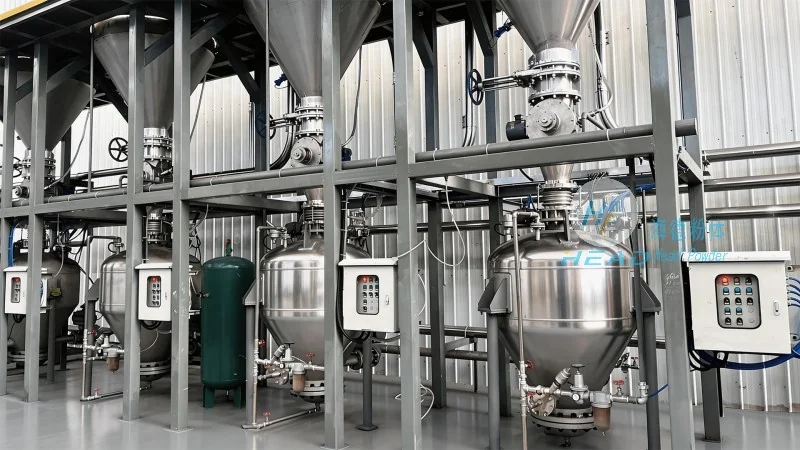
Pneumatic conveying systems utilize air or other gases to transport bulk materials through a pipeline network. For polyethylene powder, which is commonly used in manufacturing processes like plastic extrusion, injection molding, and compounding, these systems offer a clean and efficient method of moving material from storage to processing equipment. The core components of a typical polyethylene powder pneumatic conveying system include a material feeder, a conveying line, a dust collector, and a control system. Each component plays a vital role in ensuring the smooth and safe operation of the entire system.
Key Components and Their Functions
The material feeder is responsible for introducing polyethylene powder into the conveying line at a controlled rate. This component can be a rotary valve, a screw feeder, or a pressure feeder, depending on the specific requirements of the application. The conveying line, typically made of stainless steel or other corrosion-resistant materials, transports the powder through the system. The design of the conveying line, including the diameter and length, is crucial for maintaining the desired air velocity and preventing material deposition or blockages. A dust collector is integrated into the system to capture any airborne particles, ensuring compliance with environmental regulations and maintaining a clean working environment. The control system monitors and regulates the operation of the feeder, conveying line, and dust collector, allowing for real-time adjustments to optimize performance.
Operational Principles and Efficiency
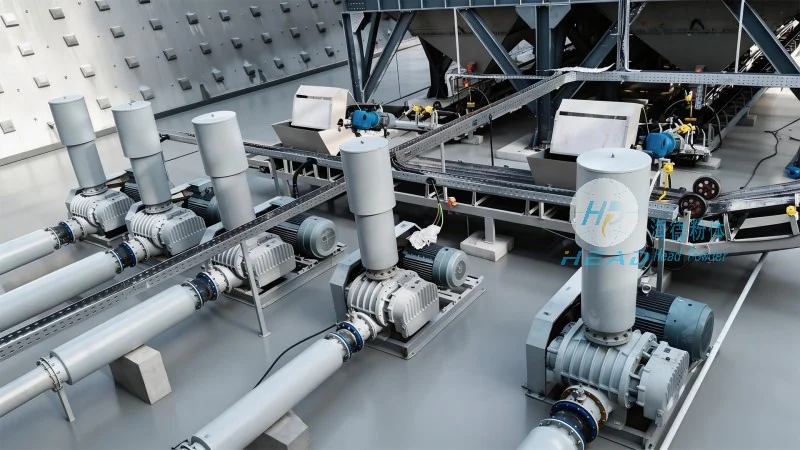
Pneumatic conveying systems operate on the principle of creating a pressure differential between the material feeder and the receiving equipment. Positive pressure systems, where air is forced through the conveying line, are commonly used for short to medium distances and low to medium material loads. Negative pressure systems, where air is drawn from the conveying line, are suitable for longer distances and higher material loads. The choice between positive and negative pressure systems depends on factors such as the distance between the source and destination, the material's properties, and the desired system efficiency. The efficiency of a polyethylene powder pneumatic conveying system is measured by its conveying capacity, which is the amount of material transported per unit time, and its pressure drop, which indicates the energy required to move the material. Advanced systems incorporate features like variable speed feeders and adjustable air flow controls to enhance efficiency and reduce energy consumption.
Advantages of Polyethylene Powder Pneumatic Conveying Systems
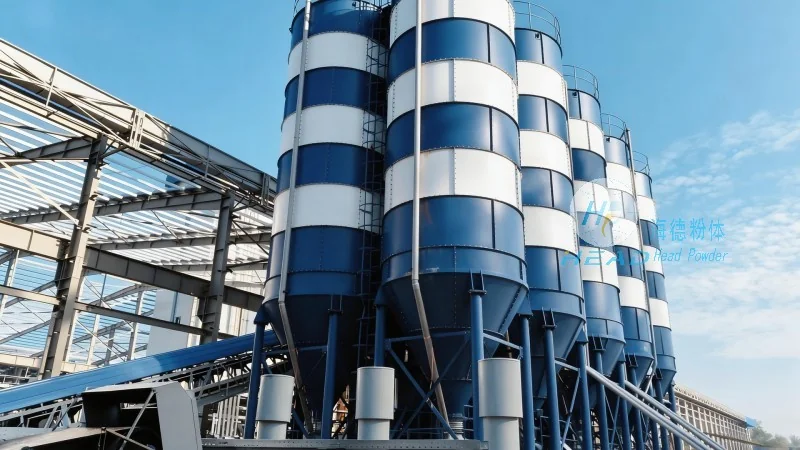
Implementing a polyethylene powder pneumatic conveying system offers several advantages over traditional methods like bucket elevators or belt conveyors. One of the primary benefits is the reduction in product contamination, as the system operates in a closed environment, preventing exposure to dust, moisture, or other contaminants. This is particularly important for polyethylene powder, which is often used in food packaging or medical applications where purity is paramount. Additionally, pneumatic conveying systems require less floor space compared to other bulk material handling solutions, making them ideal for facilities with limited space. The systems also contribute to improved process safety by eliminating the need for manual handling of powders, reducing the risk of respiratory issues or accidents. Furthermore, the ability to integrate the system with other process equipment, such as mixers or extruders, allows for seamless material transfer and enhances overall production efficiency.
HeadPowder: A Leading Provider of Pneumatic Conveying Solutions
Shandong HeadPowder Engineering Co., Ltd., commonly known as HeadPowder, is a reputable company based in Shandong, China, specializing in the design, manufacturing, and installation of pneumatic conveying systems for various industrial applications. With years of experience in the industry, HeadPowder has developed a comprehensive range of solutions tailored to meet the specific needs of clients handling polyethylene powder and other bulk materials. The company's expertise lies in customizing systems to ensure optimal performance, reliability, and cost-effectiveness. HeadPowder's team of engineers and technicians work closely with clients to understand their operational requirements and provide tailored solutions that enhance material handling efficiency and safety. The company adheres to international quality standards and uses advanced manufacturing techniques to produce durable and efficient pneumatic conveying systems that meet the demands of modern industrial processes.
Conclusion
Polyethylene powder pneumatic conveying systems are essential components in modern industrial operations, offering efficient, safe, and cost-effective solutions for material handling. By understanding the key components, operational principles, and advantages of these systems, industries can optimize their processes and improve overall productivity. Companies like Shandong HeadPowder Engineering Co., Ltd. play a crucial role in providing reliable and customized pneumatic conveying solutions that meet the evolving needs of the industry. As technology continues to advance, the development of more efficient and sustainable pneumatic conveying systems will further enhance material handling capabilities and contribute to the growth of industrial applications.