

Analysis of Algae Residue Granule Pneumatic Conveying System
The Algae Residue Granule Pneumatic Conveying System is a specialized industrial solution designed to efficiently transport granular materials, particularly those derived from algae processing. This system is engineered to handle the unique challenges associated with algae residue, a byproduct of various algal biomass processing operations. As a key component in the processing and handling of algal materials, this system ensures reliable and efficient material transfer, supporting the broader goals of algal biomass utilization and waste management in industrial applications.
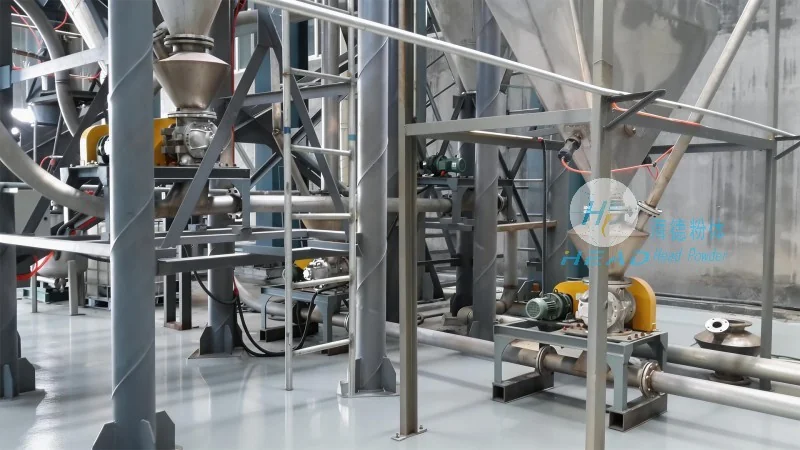
System Overview and Core Components
At the heart of the Algae Residue Granule Pneumatic Conveying System lies a carefully designed set of components that work in concert to achieve optimal material transport. The system typically includes a hopper for material storage, a feeding mechanism to control the flow of granules, a conveying pipeline network, and a receiver for the discharged material. The design emphasizes durability and efficiency, tailored to withstand the abrasive nature of algae residue and the operational demands of industrial processing environments. Each component is selected to ensure seamless integration and minimal downtime, contributing to the overall reliability of the system.
Working Principle of Pneumatic Conveying
The pneumatic conveying process in this system operates on the principle of using air or gas to transport solid particles through a pipeline. In the case of the Algae Residue Granule system, compressed air is introduced into the conveying line, creating a flow that propels the granules forward. The system employs a combination of positive and negative pressure zones to control the movement of material, ensuring consistent and controlled transport. Key to the efficiency of this process is the proper design of the air velocity and pipeline diameter, which are critical factors in preventing material deposition and maintaining a smooth flow. The system’s design minimizes the risk of clogging and ensures that the algae residue is conveyed without degradation, preserving the integrity of the material for subsequent processing steps.
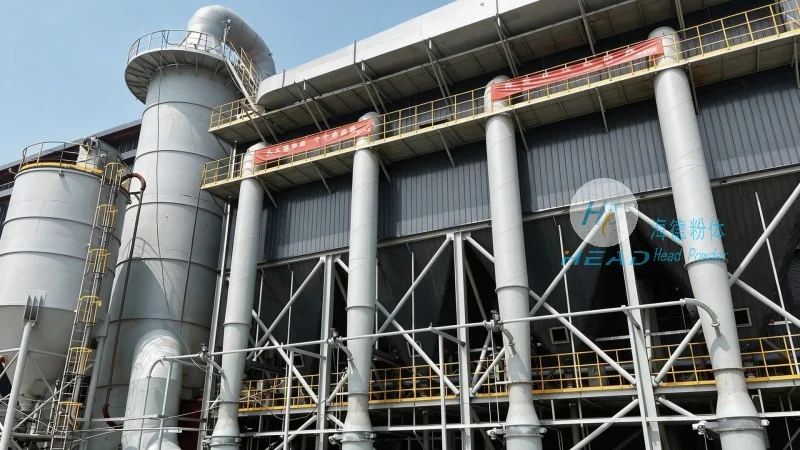
Advantages of the System for Algae Residue Handling
Implementing the Algae Residue Granule Pneumatic Conveying System offers several distinct advantages for industrial operations. Firstly, it provides a highly efficient means of transporting granular materials over considerable distances, reducing the need for manual handling and associated labor costs. The system’s ability to handle abrasive and potentially sticky algae residue without significant wear and tear on components extends equipment lifespan and lowers maintenance expenses. Additionally, the enclosed nature of the pneumatic conveying process minimizes dust emissions and environmental contamination, aligning with modern industrial standards for safety and sustainability. The system’s flexibility allows for integration with existing processing lines, enabling seamless incorporation into current operational workflows without major disruptions.
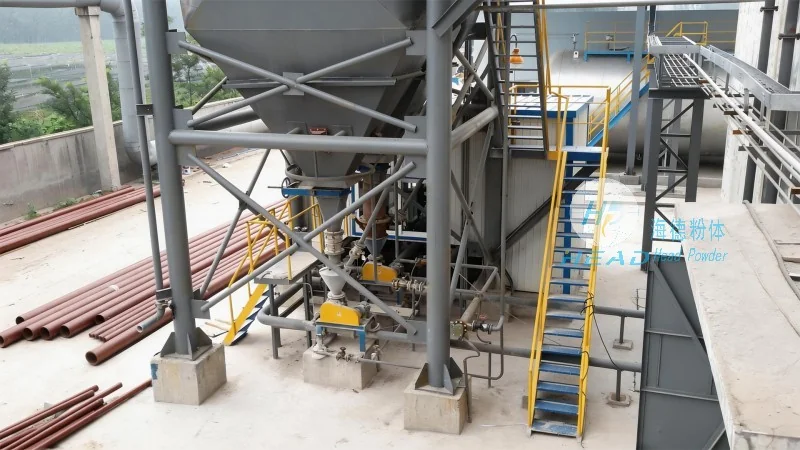
Application Scenarios and Industrial Integration
The Algae Residue Granule Pneumatic Conveying System is particularly well-suited for applications within the algal biomass processing industry. It is commonly used in the transport of algae residue from processing facilities to storage or further treatment units, such as drying or composting operations. The system’s design accommodates various particle sizes and moisture contents typical of algae residue, making it adaptable to different processing stages. In industrial settings, this system can be integrated with other equipment, such as mixers, classifiers, or pelletizers, to form a comprehensive material handling solution. The system’s reliability and efficiency contribute to improved overall productivity, enabling processing plants to maintain consistent output and meet production targets more effectively.
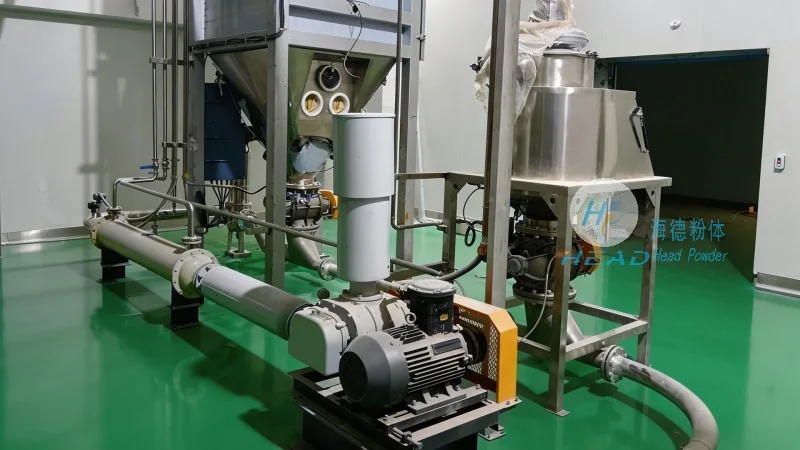
Technical Specifications and Customization Options
Shandong HeadPowder Engineering Co., Ltd. offers the Algae Residue Granule Pneumatic Conveying System with a range of technical specifications tailored to specific operational needs. The system can be customized in terms of conveying capacity, pipeline length, and material handling parameters to suit individual plant requirements. Options include different air pressure ranges, material feed rates, and pipeline diameters, ensuring that the system matches the exact demands of the application. The company’s engineering team provides comprehensive support, including design assistance and on-site installation services, to ensure that the system is implemented correctly and operates at peak efficiency. This customization capability allows clients to optimize their material handling processes while maintaining cost-effectiveness and operational reliability.
Maintenance and Operational Considerations
Proper maintenance is essential to ensure the long-term performance and reliability of the Algae Residue Granule Pneumatic Conveying System. Regular inspections of components such as the hopper, feeding mechanism, and pipeline are recommended to detect and address any potential issues early. The system’s design incorporates features that facilitate easy access for maintenance, reducing downtime during servicing. Additionally, the use of high-quality materials in the construction of the system components minimizes wear and tear, contributing to lower maintenance costs over the system’s lifespan. Operational considerations include monitoring air pressure and flow rates to maintain optimal conveying conditions, as well as ensuring that the material being conveyed is within the system’s design parameters to prevent clogging or damage. By adhering to these maintenance and operational guidelines, users can maximize the system’s efficiency and extend its service life.