

PTA Conveying System Introduction: Advantages of PTA Pneumatic Conveying
PTA (Polyethylene Terephthalate Acid) is a critical raw material in the production of polyester fibers and resins. The efficient and reliable transportation of PTA from storage to processing units is essential for maintaining production efficiency and ensuring product quality. This article introduces the PTA conveying system, focusing on the advantages and features of pneumatic conveying technology, and highlights the capabilities of Shandong HeadPowder Engineering Co., Ltd. as a leading provider in this field.
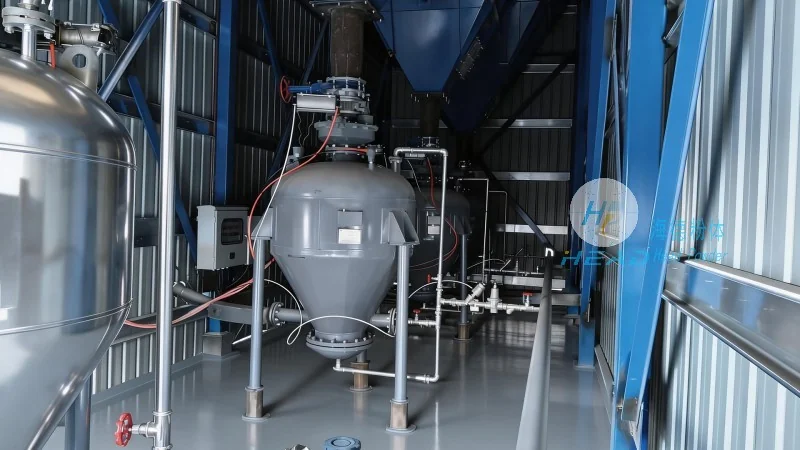
Overview of PTA Conveying Systems
PTA conveying systems are engineered to handle the bulk transport of PTA pellets or granules from storage silos, hoppers, or production lines to processing equipment such as reactors or extruders. These systems are integral to the seamless operation of PTA manufacturing facilities, ensuring a continuous flow of material without interruptions. The choice of conveying method significantly impacts operational efficiency, safety, and environmental compliance. Among the various options, pneumatic conveying stands out as a preferred solution for PTA due to its unique advantages.
Advantages of PTA Pneumatic Conveying
Pneumatic conveying, also known as air conveying, utilizes compressed air to move PTA material through a network of pipes. This method offers several key advantages that make it ideal for PTA transportation:
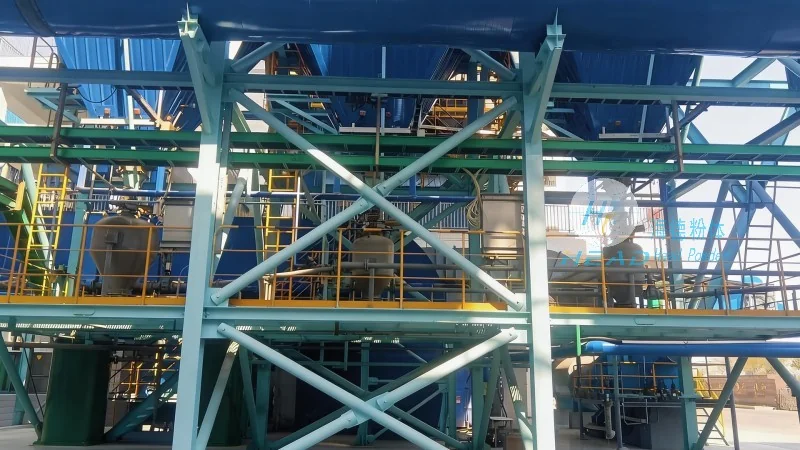
- High Efficiency and Speed: Pneumatic systems can transport PTA at high velocities, reducing the time required for material movement and enhancing overall production throughput. The ability to move material over long distances without intermediate handling points contributes to increased operational efficiency.
- Safety and Contamination Control: PTA is a valuable and sometimes hazardous material. Pneumatic conveying systems are enclosed, preventing dust emissions and minimizing the risk of material contamination. This feature is critical for maintaining product purity and adhering to safety regulations.
- Flexibility and Scalability: Pneumatic conveying systems can be easily customized to accommodate varying production volumes and process requirements. They can be expanded or reconfigured to meet changes in production capacity or facility layout, providing long-term flexibility.
- Low Maintenance and Reduced Downtime: Compared to mechanical conveying systems, pneumatic systems often require less maintenance due to fewer moving parts. This reduces the likelihood of breakdowns and minimizes downtime, contributing to higher equipment availability.
- Environmental Benefits: By containing the material within a sealed system, pneumatic conveying reduces dust and particulate emissions, contributing to a cleaner working environment and compliance with environmental regulations.
Key Features of PTA Pneumatic Conveying Systems
Effective PTA pneumatic conveying systems incorporate several key features to ensure optimal performance and reliability:
- Positive Displacement Pumps or Blowers: These components generate the necessary air pressure to move PTA through the system. Positive displacement pumps provide consistent flow rates, while blowers offer higher capacity and are suitable for larger systems.
- Conveying Lines and Fittings: High-quality, corrosion-resistant pipes and fittings are used to transport PTA. The design of the line network, including bends, elbows, and valves, is critical for maintaining material flow and preventing blockages.
- Material Handling Equipment: Hoppers, feeders, and receivers are integrated into the system to control the flow of PTA at different points. These components ensure smooth material transfer and prevent backflow or spillage.
- Dust Collection and Filtration: To maintain a clean environment and protect equipment, pneumatic systems include dust collection and filtration systems. These components capture any airborne particles and return clean air to the system.
- Control Systems: Advanced control systems monitor and regulate the operation of the conveying system, ensuring optimal performance and safety. These systems can include sensors for pressure, flow, and level, as well as automated controls for start-up and shutdown.
HeadPowder Engineering: PTA Conveying Solutions Provider
Shandong HeadPowder Engineering Co., Ltd., a leading manufacturer and supplier of material handling equipment, specializes in designing and manufacturing PTA conveying systems tailored to the needs of the chemical and petrochemical industries. With years of experience and a commitment to quality, HeadPowder provides comprehensive solutions that address the unique challenges of PTA transportation.
HeadPowder's team of engineers and technicians works closely with clients to understand their specific requirements, including production capacity, material characteristics, and facility layout. This collaborative approach ensures that the designed PTA conveying system is optimized for efficiency, reliability, and cost-effectiveness.
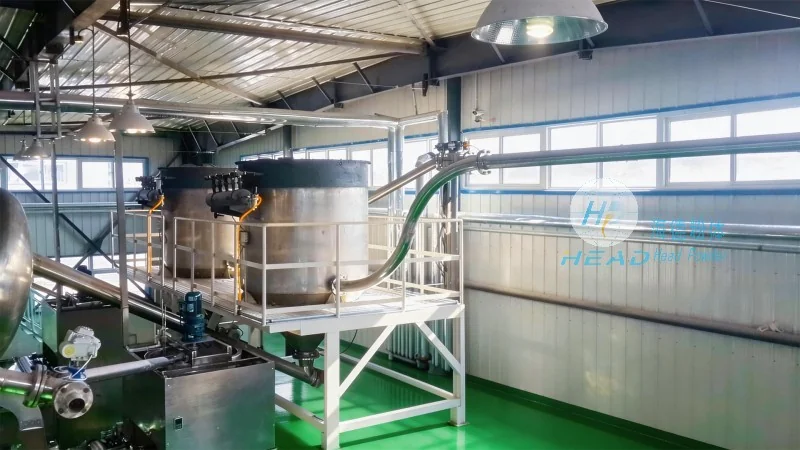
The company's PTA pneumatic conveying systems are built with high-quality materials and components, ensuring durability and long service life. Each system is rigorously tested and validated to meet industry standards and client specifications. HeadPowder also offers after-sales support, including maintenance services, spare parts supply, and technical assistance, to ensure the continued performance of the conveying system.
Conclusion
Pneumatic conveying is a highly effective method for transporting PTA, offering significant advantages in efficiency, safety, and environmental compliance. Shandong HeadPowder Engineering Co., Ltd. provides advanced PTA conveying systems that leverage these benefits, helping clients achieve optimal performance in their PTA production processes. By choosing HeadPowder's solutions, businesses can enhance their operational efficiency, reduce costs, and maintain the highest standards of product quality and safety.