

Advantages and Disadvantages of Negative Pressure and Positive Pressure Conveying in Graphene Pneuma
Graphene, a two-dimensional material with exceptional mechanical, electrical, and thermal properties, is increasingly used in various industrial applications. Pneumatic conveying is a critical method for transporting fine powders like graphene, and the choice between negative pressure (suction) and positive pressure (blowing) systems significantly impacts operational efficiency, material quality, and system maintenance. This article provides a detailed comparison of the advantages and disadvantages of negative pressure and positive pressure conveying in graphene handling.
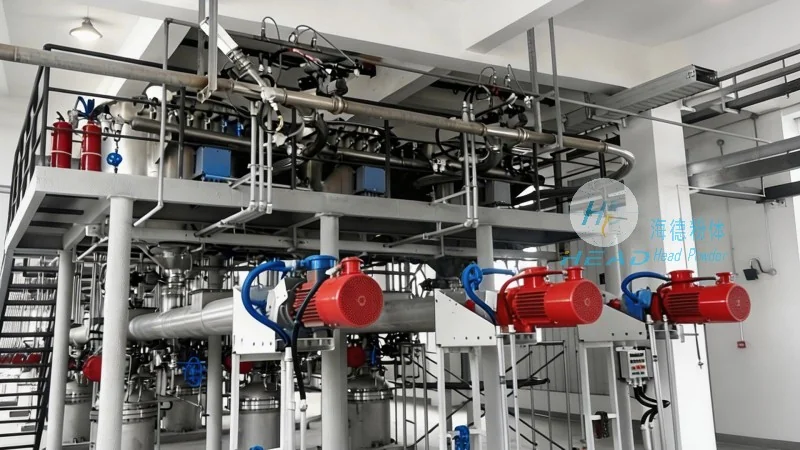
Company Profile: Shandong HeadPowder Engineering Co., Ltd.
Shandong HeadPowder Engineering Co., Ltd., a leading provider of advanced powder handling solutions, specializes in designing and manufacturing customized pneumatic conveying systems. With a focus on innovation and customer satisfaction, HeadPowder has established itself as a trusted partner in the graphene and fine powder processing industry. The company’s headquarters is located in Shandong, China, where it leverages local expertise and resources to deliver high-quality engineering solutions tailored to specific industry needs.
Understanding Negative Pressure (Suction) Conveying
Negative pressure conveying, also known as suction conveying, operates by creating a low-pressure zone at the material inlet to draw the powder into the system. This method is particularly effective for handling light, dusty materials and is often preferred for applications where dust containment and material recovery are critical. The primary advantages of negative pressure systems include reduced material degradation due to lower air velocities, improved safety by minimizing dust emissions, and the ability to handle materials from multiple sources simultaneously. However, these systems may have limitations in terms of conveying distance and material capacity, as the suction force is limited by the system's vacuum capability.
Advantages of Negative Pressure Conveying in Graphene Handling
For graphene, which is a highly sensitive material prone to agglomeration and damage, negative pressure conveying offers several key benefits. The lower air velocities and gentler material handling reduce the risk of particle breakage, preserving the material's structural integrity and performance characteristics. Additionally, the closed system design minimizes exposure to external contaminants, ensuring that the graphene remains pure and free from impurities. This is crucial for applications where the quality of the graphene directly impacts product performance, such as in electronics and composite materials. Furthermore, negative pressure systems are effective in capturing and recycling dust, which is essential for maintaining a clean and safe working environment in graphene processing facilities.
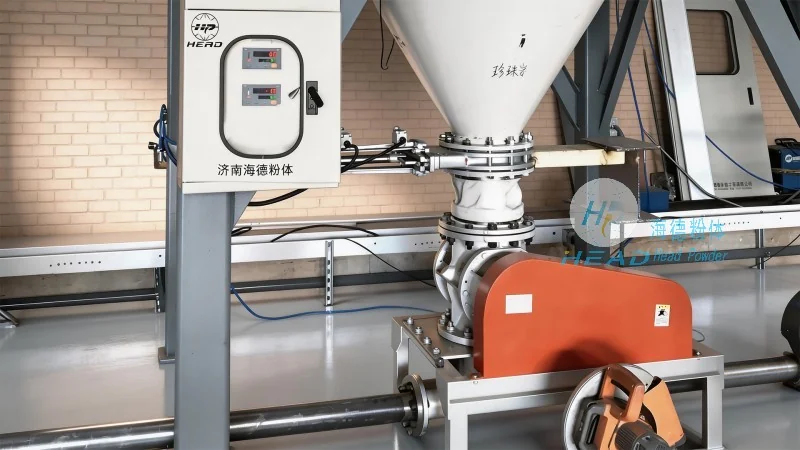
Disadvantages of Negative Pressure Conveying
Despite its advantages, negative pressure conveying has some drawbacks that may affect its suitability for certain graphene applications. The primary limitation is the restricted conveying distance, as the vacuum pressure cannot be maintained over long distances without significant loss. This means that for large-scale production facilities with multiple processing units, the system may require additional booster pumps or multiple suction points, increasing complexity and cost. Another challenge is the potential for material buildup in the suction line, especially with fine powders like graphene, which can lead to clogging and reduced system efficiency. Maintenance of the vacuum components, such as filters and pumps, also requires regular attention to ensure optimal performance.
Understanding Positive Pressure (Blowing) Conveying
Positive pressure conveying, or blowing conveying, works by forcing air or gas through the material to transport it to the destination. This method is typically used for materials that are less dusty or require higher conveying speeds and longer distances. The system operates by creating a high-pressure zone at the material inlet, which propels the powder through the pipeline. Positive pressure systems are generally more suitable for handling bulk quantities of materials and can achieve higher conveying rates compared to negative pressure systems.
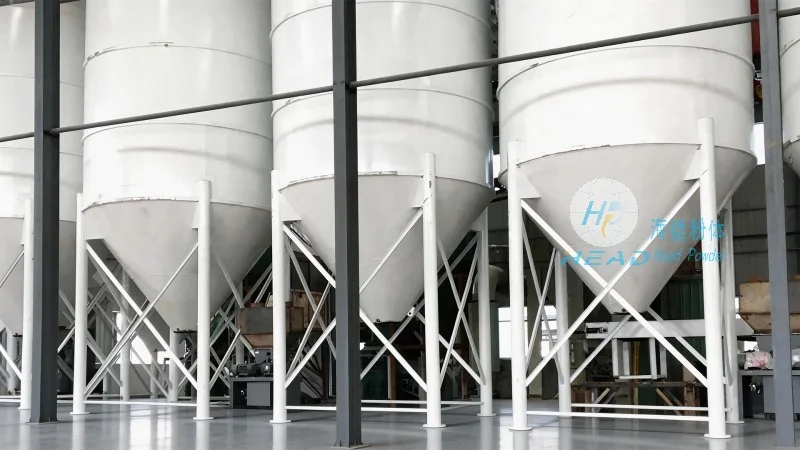
Advantages of Positive Pressure Conveying in Graphene Handling
Positive pressure conveying offers several advantages for graphene applications, particularly in scenarios where long-distance transport is required. The high-pressure air flow allows for efficient movement of large volumes of material, reducing the number of transfer points and overall system complexity. This is beneficial for industrial-scale production lines where multiple processing stages are integrated. Additionally, positive pressure systems can handle a wider range of material types, including more abrasive or heavier powders, without causing significant degradation. The ability to use larger pipelines also minimizes pressure losses over long distances, making it suitable for facilities with extensive conveying networks.
Disadvantages of Positive Pressure Conveying
However, positive pressure conveying has its own set of challenges when applied to graphene. The high air velocities and pressure can lead to increased material degradation, as the particles may experience more friction and impact during transport. This can result in reduced particle size and altered properties, which may affect the performance of the final product. Another concern is the higher risk of dust emissions, as the system operates under positive pressure, potentially leading to fugitive dust and safety hazards. The need for robust sealing and containment measures is essential to mitigate these risks, which can increase the initial investment and maintenance costs. Furthermore, positive pressure systems may require more powerful air compressors and larger air filtration systems to handle the higher air volumes and maintain material purity.
Comparative Analysis: Negative vs. Positive Pressure Conveying
When comparing negative and positive pressure conveying for graphene, several factors must be considered to determine the most suitable system. The choice depends on the specific application requirements, such as the conveying distance, material characteristics, and operational environment. For short-distance transport of delicate graphene powders, negative pressure systems are often preferred due to their gentler handling and lower risk of degradation. Conversely, for long-distance or bulk handling, positive pressure systems may offer better efficiency and capacity. Cost is another critical factor, as negative pressure systems typically have lower initial costs but may require more maintenance, while positive pressure systems have higher upfront expenses but lower operational costs for large-scale operations.