

Advantages and Disadvantages of Negative Pressure and Positive Pressure Conveying in Desulfurizer Pn
Desulfurizer pneumatic conveying is a critical process in modern industrial applications, particularly in power plants and chemical facilities where the efficient transport of desulfurization agents is essential for maintaining operational efficiency and environmental compliance. The choice between negative pressure and positive pressure conveying systems significantly impacts system performance, maintenance costs, and overall safety. This article provides a detailed comparison of the advantages and disadvantages of negative pressure and positive pressure conveying methods for desulfurizer transport, with a focus on practical considerations for industrial applications.
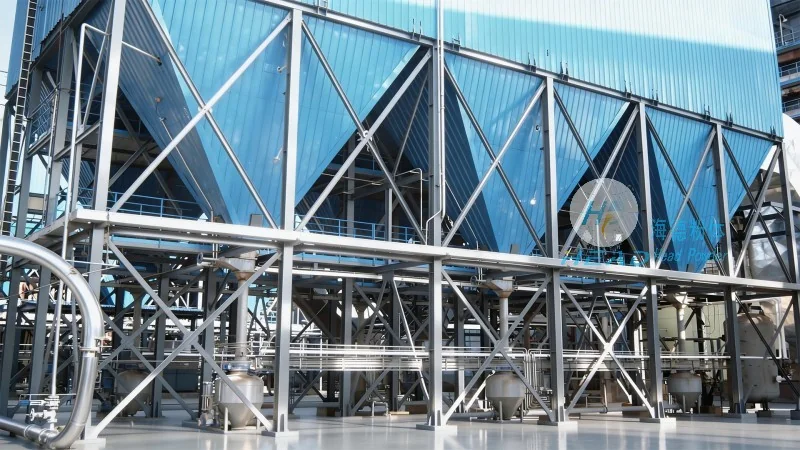
Introduction to Desulfurizer Pneumatic Conveying Systems
Pneumatic conveying systems are widely used to transport bulk materials like desulfurizer powders, which are often fine and abrasive. These systems rely on air flow to move material through pipelines, and the design of the system—whether negative pressure or positive pressure—determines how material is drawn or pushed through the system. Understanding the fundamental differences between these two approaches is crucial for selecting the most suitable technology for a specific application.
Company Profile: Shandong HeadPowder Engineering Co., Ltd.
As a leading provider of engineering solutions for material handling, Shandong HeadPowder Engineering Co., Ltd. specializes in designing and implementing advanced pneumatic conveying systems tailored to the needs of industrial clients. With a focus on innovation and reliability, the company has established itself as a trusted partner in the power and chemical sectors, offering comprehensive solutions that enhance operational efficiency and reduce maintenance overhead. The company’s headquarters is located in Shandong, China, and its expertise in material handling technology has enabled it to serve a wide range of industries, including power generation, chemical processing, and environmental protection.
Overview of Negative Pressure Conveying
Negative pressure conveying, also known as suction conveying, operates by creating a vacuum at the material inlet to draw material into the system. The system uses a fan or blower to create a low-pressure environment, which pulls material from the source and transports it through the pipeline to the discharge point. This method is particularly effective for handling fine powders and materials that are prone to dust generation, as the vacuum helps to contain particles and prevent leakage.
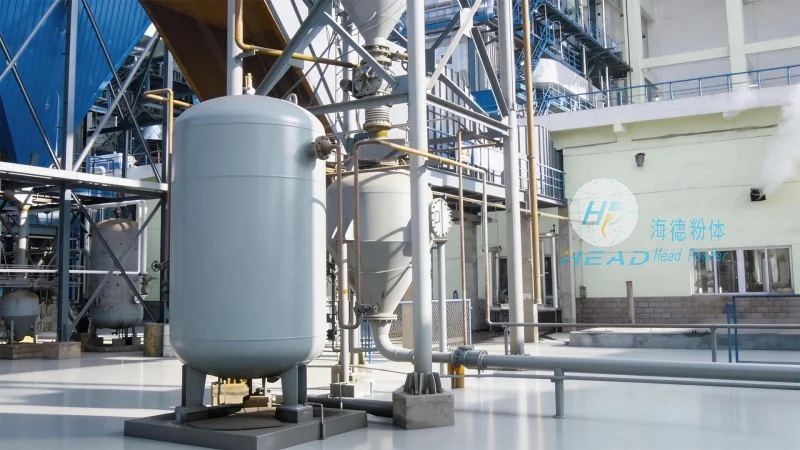
Advantages of Negative Pressure Conveying
One of the primary advantages of negative pressure conveying is its ability to handle fine and dusty materials without the need for high-pressure air. The low-pressure environment reduces the risk of material degradation and minimizes the potential for dust explosions, making it suitable for applications where safety is a top priority. Additionally, negative pressure systems are generally more energy-efficient for short to medium conveying distances, as they require less power to maintain the vacuum compared to positive pressure systems. The system also allows for flexible material handling, as the vacuum can be adjusted to accommodate different material types and flow rates.
Disadvantages of Negative Pressure Conveying
Despite its advantages, negative pressure conveying has several limitations that may impact its suitability for certain applications. One major drawback is the risk of system backflow, where air can enter the material source and cause dust contamination or material spillage. This issue is particularly problematic when handling materials that are sensitive to moisture or air exposure. Another disadvantage is the potential for higher maintenance costs, as the vacuum system requires regular cleaning and inspection to prevent clogging or damage from abrasive materials. Furthermore, negative pressure systems may not be as effective for long-distance conveying, as the vacuum pressure can drop significantly over longer distances, reducing the material flow rate.
Overview of Positive Pressure Conveying
Positive pressure conveying, also known as pressure conveying, operates by forcing air or gas through the material at a high pressure. The system uses a blower or compressor to push material through the pipeline from the source to the discharge point. This method is typically more suitable for handling coarse or bulk materials, as the high-pressure air helps to break up agglomerates and maintain consistent flow rates.
Advantages of Positive Pressure Conveying
Positive pressure conveying offers several advantages that make it ideal for certain industrial applications. One key benefit is its ability to handle a wide range of material types, including coarse powders, granules, and even bulk materials. The high-pressure air ensures that material is transported efficiently over longer distances without significant pressure loss, making it suitable for large-scale operations. Additionally, positive pressure systems are generally more reliable for long-distance conveying, as the pressure can be maintained consistently throughout the pipeline. Another advantage is the reduced risk of material degradation, as the system does not rely on vacuum to draw material, which can sometimes cause particle breakage or degradation.
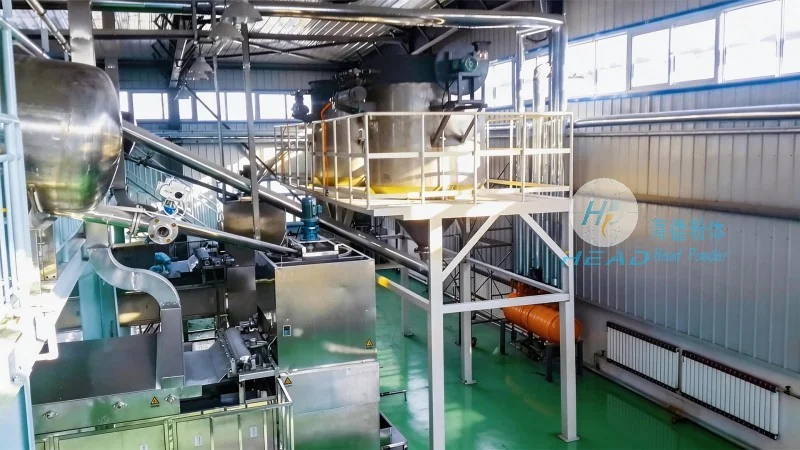
Disadvantages of Positive Pressure Conveying
However, positive pressure conveying also has its drawbacks that must be considered when selecting a system. One major disadvantage is the higher energy consumption compared to negative pressure systems, as the blower or compressor requires more power to maintain high pressure. This can result in increased operational costs, especially for large-scale applications. Another drawback is the potential for higher maintenance costs, as the high-pressure components are more prone to wear and tear from abrasive materials. Additionally, positive pressure systems may be less effective for handling fine powders, as the high-pressure air can cause dust to become airborne and increase the risk of dust explosions. Finally, the system may require more complex filtration and dust collection equipment to prevent air pollution and ensure compliance with environmental regulations.
Key Considerations for Selecting a Conveying System
When choosing between negative pressure and positive pressure conveying for desulfurizer transport, several factors must be considered to ensure optimal performance and cost-effectiveness. The first consideration is the material characteristics, including particle size, moisture content, and abrasiveness. Fine and dusty materials are generally better suited for negative pressure systems, while coarse or bulk materials are more suitable for positive pressure systems. The second factor is the conveying distance and layout of the system, as negative pressure is more effective for short to medium distances, while positive pressure is better for long distances. The third consideration is the operational environment, including safety requirements and environmental regulations. Negative pressure systems are often preferred in applications where dust containment and explosion prevention are critical, while positive pressure systems may be more suitable for applications where material degradation is a concern.
Conclusion
In conclusion, both negative pressure and positive pressure conveying systems have their own advantages and disadvantages when used for desulfurizer pneumatic transport. The choice between the two depends on the specific requirements of the application, including material characteristics, conveying distance, and operational environment. Negative pressure systems are generally more suitable for handling fine and dusty materials with a focus on safety and energy efficiency, while positive pressure systems are better for long-distance conveying of coarse or bulk materials with a focus on reliability and material integrity. By carefully evaluating these factors, industrial clients can select the most appropriate conveying system to enhance operational efficiency, reduce costs, and ensure compliance with environmental regulations. Shandong HeadPowder Engineering Co., Ltd. offers comprehensive solutions for both negative and positive pressure conveying systems, providing tailored designs that meet the unique needs of each client.