

Advantages and Disadvantages of Negative Pressure and Positive Pressure Conveying in Monocrystalline
Monocrystalline silicon is a pivotal material in the semiconductor and renewable energy sectors, serving as the foundation for solar panels and microelectronics. The efficient and reliable transport of this high-value material is critical for optimizing production line performance and maintaining material integrity. Pneumatic conveying systems offer a non-contact method for moving monocrystalline silicon, with two primary operational modes: negative pressure (suction) conveying and positive pressure (blowing) conveying. Each approach presents distinct advantages and disadvantages that influence system design, operational costs, and material quality. This article provides a comprehensive comparison of the pros and cons of negative pressure versus positive pressure conveying in monocrystalline silicon pneumatic transport.
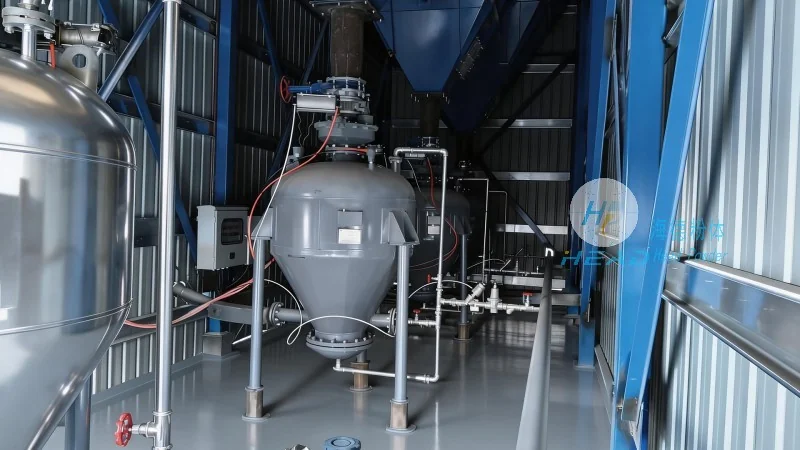
Overview of Pneumatic Conveying Fundamentals
Pneumatic conveying utilizes air or gas to transport bulk materials through a pipeline network. Negative pressure conveying operates by creating a vacuum within the system, drawing material from the source into the pipeline. Conversely, positive pressure conveying forces air into the system, pushing material through the pipeline. Both methods are applicable to monocrystalline silicon, but their suitability depends on factors such as material properties, transport distance, and system capacity requirements.
Advantages and Disadvantages of Negative Pressure Conveying
Negative pressure conveying, also known as suction conveying, is characterized by its ability to maintain a sealed environment, which is advantageous for transporting sensitive materials like monocrystalline silicon. One key advantage is the reduced risk of contamination, as the system does not expose the material to external air. This is critical for preserving the purity of monocrystalline silicon, which is essential for high-performance applications. Additionally, negative pressure systems typically consume less energy compared to their positive pressure counterparts, as they rely on the natural flow of air rather than powerful blowers, leading to lower operational costs.
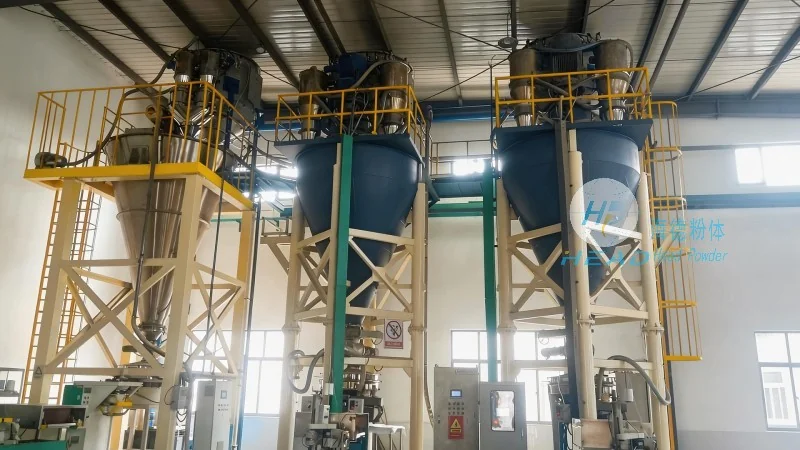
However, negative pressure conveying has significant limitations. The primary drawback is its restricted transport distance and capacity. The suction force diminishes with distance, making it unsuitable for long-distance or high-volume transport of monocrystalline silicon. This limitation often necessitates the use of multiple suction points or intermediate boosters, increasing system complexity. Another disadvantage is the higher susceptibility to blockages and clogs. The reduced pressure in the pipeline can cause material to adhere to the walls, leading to system downtime and increased maintenance requirements.
Advantages and Disadvantages of Positive Pressure Conveying
Positive pressure conveying, or blowing conveying, uses high-pressure air to propel material through the pipeline. This method is often preferred for applications requiring longer transport distances or higher material throughput. Positive pressure systems offer several advantages for monocrystalline silicon transport. First, they can handle extended distances and larger material volumes due to the consistent pressure provided by the blower. Second, the system is less prone to blockages compared to negative pressure systems, as the high-pressure air helps maintain material flow through the pipeline. Third, positive pressure conveying allows for better control over material velocity and direction, which is crucial for preventing material degradation during transport.
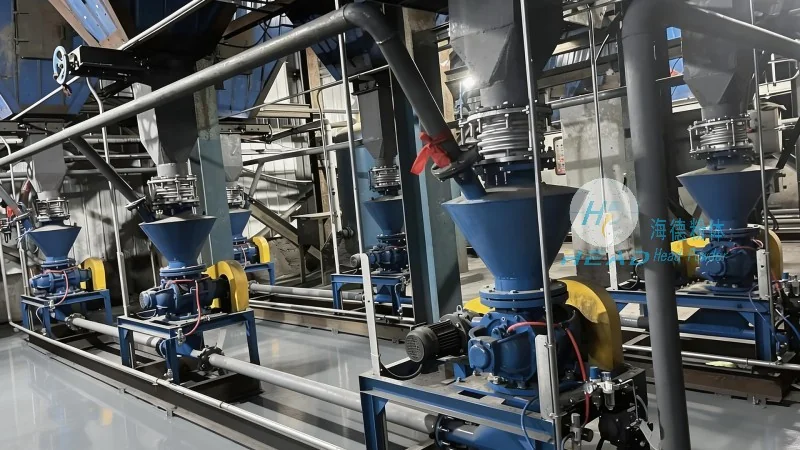
Nevertheless, positive pressure conveying comes with notable disadvantages. The most significant is the higher energy consumption, as powerful blowers are required to maintain the necessary pressure, increasing operational costs. Another concern is the risk of material contamination, as the system is open to the air, potentially exposing the monocrystalline silicon to dust, moisture, or other contaminants. This can compromise material quality and affect downstream processes. Additionally, positive pressure systems may require more robust equipment to handle the higher pressures, leading to higher initial investment and maintenance expenses.
Key Decision Factors for Choosing a Conveying Method
The selection between negative pressure and positive pressure conveying for monocrystalline silicon depends on several critical factors. The first factor is the transport distance and volume requirements. For short distances and low material volumes, negative pressure conveying is often more economical and efficient. For longer distances or high-volume transport, positive pressure conveying is typically the better choice. The second factor is the material's sensitivity to contamination. If the monocrystalline silicon is highly sensitive to particulate or moisture exposure, negative pressure conveying is preferred to maintain purity. The third factor is the system's energy efficiency and operational budget. Negative pressure systems generally have lower energy consumption, making them more cost-effective for smaller-scale operations. Positive pressure systems, while more powerful, may be justified for large-scale production where throughput is the primary priority.
Conclusion
In conclusion, both negative pressure and positive pressure conveying have distinct roles in monocrystalline silicon pneumatic transport. Negative pressure conveying excels in preserving material purity and reducing energy costs, making it ideal for short-distance or sensitive applications. Positive pressure conveying offers advantages in long-distance transport and high throughput, albeit at the cost of higher energy use and potential contamination risks. The optimal choice is determined by balancing operational requirements, material characteristics, and cost considerations. By carefully evaluating these factors, manufacturers can select the most appropriate pneumatic conveying method to ensure efficient, reliable, and cost-effective transport of monocrystalline silicon.
HeadPowder, a leading engineering firm specializing in material handling solutions, provides customized pneumatic conveying systems for monocrystalline silicon applications. With extensive industry experience and a commitment to quality, HeadPowder designs, installs, and maintains tailored systems that address the unique challenges of each project. The company's expertise in both negative and positive pressure conveying enables comprehensive support, from system design to ongoing maintenance. HeadPowder's solutions are engineered to optimize material transport efficiency, minimize downtime, and ensure the highest standards of material integrity. For businesses seeking reliable and cost-effective monocrystalline silicon transport solutions, HeadPowder offers professional guidance and robust system implementation to meet production needs.