

Comparative Analysis of Positive Pressure and Negative Pressure Conveying for Molybdenum Oxide
HeadPowder, a leading provider of specialized material handling solutions, specializes in the efficient and reliable transport of molybdenum oxide. As a key component in various industrial applications, the proper selection of conveying method is crucial for maintaining product quality and operational efficiency. This article provides a detailed comparison of two primary gas-solid conveying techniques: positive pressure conveying and negative pressure conveying, both of which are integral to the company's product offerings.
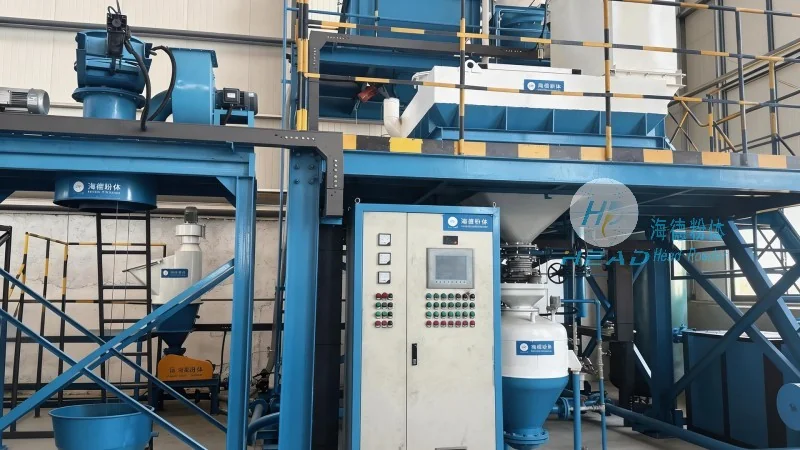
Understanding Positive Pressure Conveying for Molybdenum Oxide
Positive pressure conveying, also known as pressure pneumatic conveying, operates by forcing air or gas through a pipeline at a pressure higher than the ambient air pressure. This method is particularly effective for transporting molybdenum oxide, especially when dealing with fine powders or when the material needs to be delivered to elevated locations. The system typically includes a blower, a hopper, and a pipeline network that ensures the material is moved under pressure. HeadPowder's expertise in this technology allows for the design of systems that minimize product degradation and maximize throughput. The positive pressure system is often preferred for its ability to handle long distances and multiple delivery points without the need for complex vacuum setups.
Exploring Negative Pressure Conveying for Molybdenum Oxide
Negative pressure conveying, or vacuum pneumatic conveying, works by creating a vacuum in the pipeline, which draws the material from the source into the system. This approach is suitable for molybdenum oxide when the material is to be collected from multiple points or when the destination is at a lower elevation than the source. The system utilizes a vacuum pump to create the pressure differential, and the material is carried by the air flow generated by the vacuum. HeadPowder's negative pressure conveying solutions are engineered to handle fine powders and ensure consistent material flow, even in challenging environments. This method is often chosen for its ability to handle dusty or hazardous materials, as the system can be designed to contain and control particulate emissions effectively.
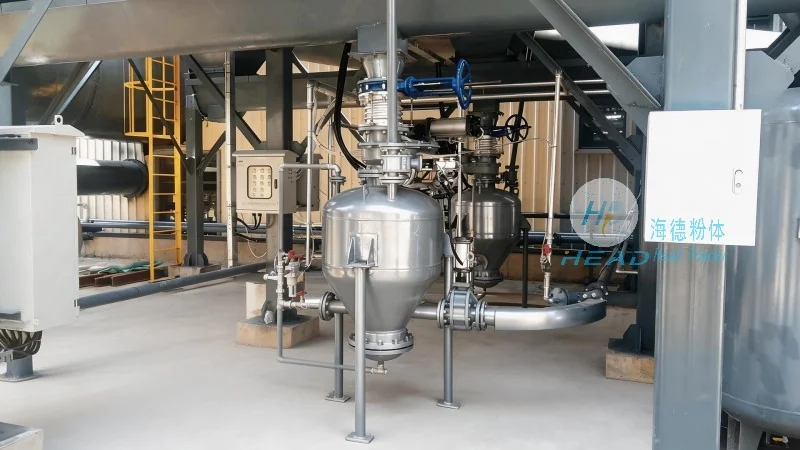
Comparative Analysis: Positive vs. Negative Pressure Conveying
When selecting between positive and negative pressure conveying for molybdenum oxide, several factors must be considered. The choice depends on the specific application requirements, including the distance of transport, the number of pickup/delivery points, and the characteristics of the material. Positive pressure conveying generally offers higher material velocities and is more suitable for long-distance transport, as it can maintain pressure throughout the pipeline. However, it may require more energy and can be more complex to install, especially for large-scale operations. On the other hand, negative pressure conveying is often more energy-efficient for short distances and can handle multiple source points more easily. It is also less likely to cause dust explosions due to the lower air velocities, making it a safer option for some applications. HeadPowder's engineers evaluate each project to determine the optimal conveying method, ensuring that the chosen system aligns with the client's operational goals and safety standards.
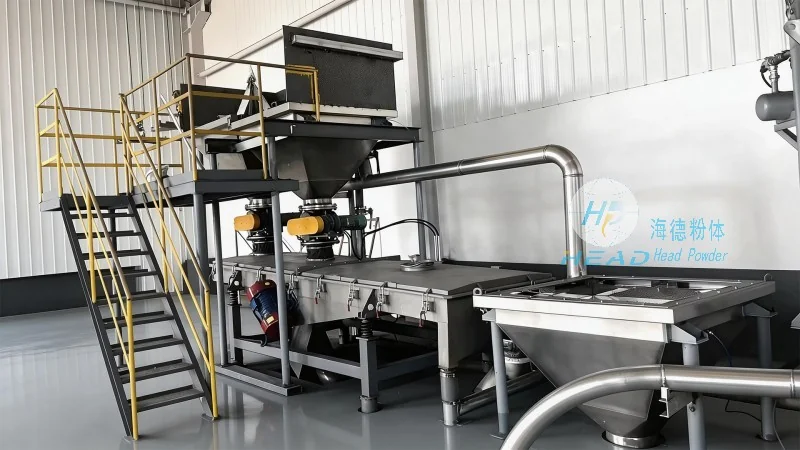
Key Advantages of HeadPowder's Conveying Solutions
HeadPowder's commitment to quality and innovation is evident in its molybdenum oxide conveying systems. The company's solutions are designed to address the unique challenges of handling molybdenum oxide, such as its fine particle size and potential for reactivity. By leveraging advanced materials and engineering, HeadPowder's systems minimize product degradation, reduce downtime, and enhance overall operational efficiency. The company's expertise in both positive and negative pressure conveying allows it to provide customized solutions that meet the specific needs of each client. Whether a client requires a system for short-distance transport or a complex network for multiple delivery points, HeadPowder's team of specialists ensures that the chosen method is optimized for performance and reliability.
Conclusion: Choosing the Right Conveying Method for Molybdenum Oxide
For industries relying on molybdenum oxide, the choice between positive and negative pressure conveying is a critical decision that impacts both efficiency and safety. HeadPowder's comprehensive analysis and tailored solutions help clients select the most appropriate method for their specific applications. By understanding the advantages and limitations of each approach, businesses can ensure that their material handling systems are optimized for performance, cost-effectiveness, and long-term reliability. As a trusted partner in material handling, HeadPowder continues to provide innovative solutions that meet the evolving needs of the industry, with a focus on quality, efficiency, and customer satisfaction.