

Positive Pressure and Negative Pressure Conveying of Gypsum Powder: A Comparative Analysis of Two Pn
When it comes to transporting gypsum powder, selecting the right pneumatic conveying method is crucial for efficiency, cost-effectiveness, and operational safety. Two primary approaches dominate the industry: positive pressure conveying and negative pressure conveying. This analysis delves into the characteristics, advantages, and practical applications of each method, providing a comprehensive comparison to help stakeholders make informed decisions.
Understanding Pneumatic Conveying Basics
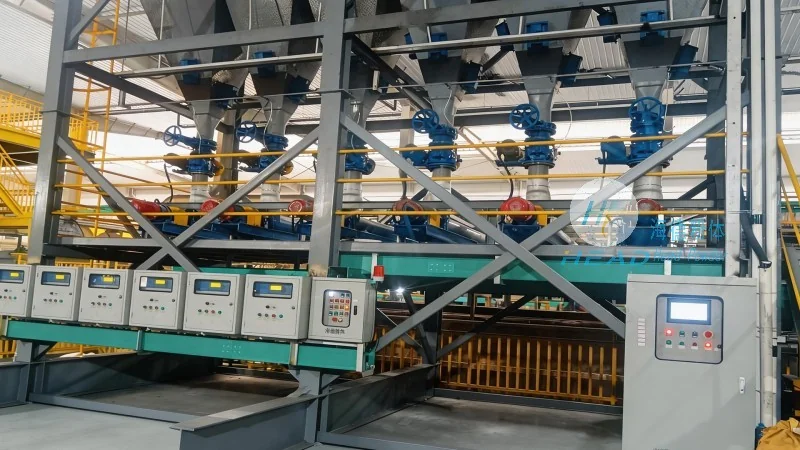
Pneumatic conveying systems utilize air or gas to transport bulk materials like gypsum powder through a pipeline. The fundamental difference between positive and negative pressure systems lies in how the air is pressurized or depressurized to move the material. Positive pressure systems force air into the system, while negative pressure systems create a vacuum to draw material into the line.
Positive Pressure Conveying of Gypsum Powder
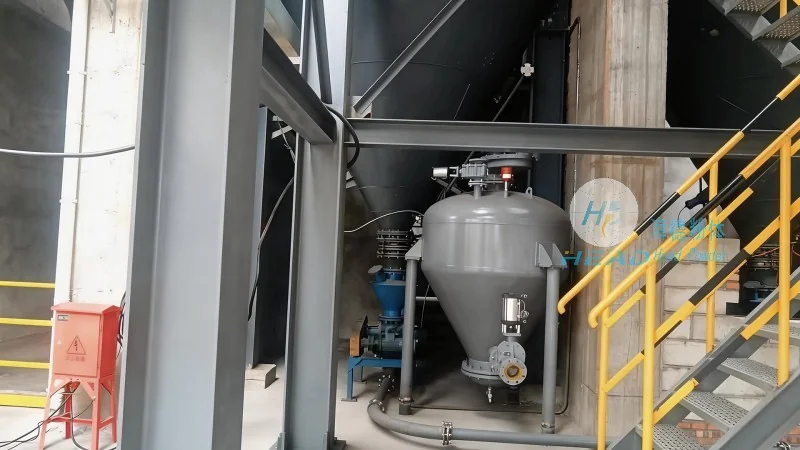
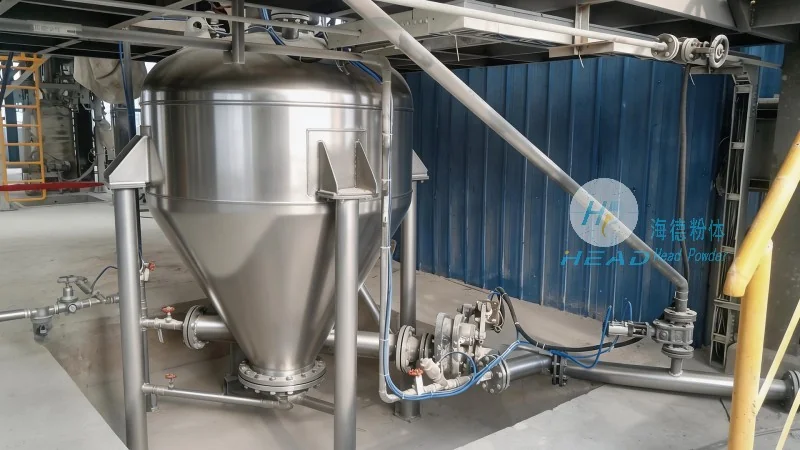
Positive pressure conveying, also known as pressure conveying, operates by pressurizing the entire conveying line with air. This method is particularly effective for transporting gypsum powder over longer distances or through complex piping networks. The high-pressure air creates a consistent flow, ensuring that the powder moves smoothly without clogging or settling. A key advantage of this approach is its ability to handle abrasive or sticky materials, which are common in gypsum processing. The system typically includes a blower or compressor at the inlet, providing the necessary pressure to propel the material. This method is favored in industrial settings where reliability and continuous operation are paramount.
Key Advantages of Positive Pressure Conveying
Positive pressure conveying offers several benefits for gypsum powder handling. First, it minimizes material degradation by reducing the risk of abrasion and impact during transport. The consistent air pressure maintains a stable flow, preventing the powder from settling or clumping. Additionally, this method is highly effective for transporting materials with high moisture content, as the pressurized air helps to dry and aerate the powder. The system also allows for easy integration with other processing equipment, such as mixers or dryers, as the material can be introduced at various points along the pipeline. From a maintenance perspective, positive pressure systems are generally simpler to operate and maintain, as they do not require complex vacuum equipment.
Practical Applications and Considerations
Positive pressure conveying is commonly used in large-scale gypsum production facilities, where the material needs to be transported from storage silos to processing plants or to different production lines. The ability to handle long distances and complex layouts makes it ideal for industrial applications. However, it is important to consider the energy consumption of the blower or compressor, as high-pressure systems require more power. Additionally, the cost of the equipment and the need for regular maintenance should be factored into the overall operational budget. The system also generates more noise and may require additional safety measures to prevent air leaks or pressure build-up.
Negative Pressure Conveying of Gypsum Powder
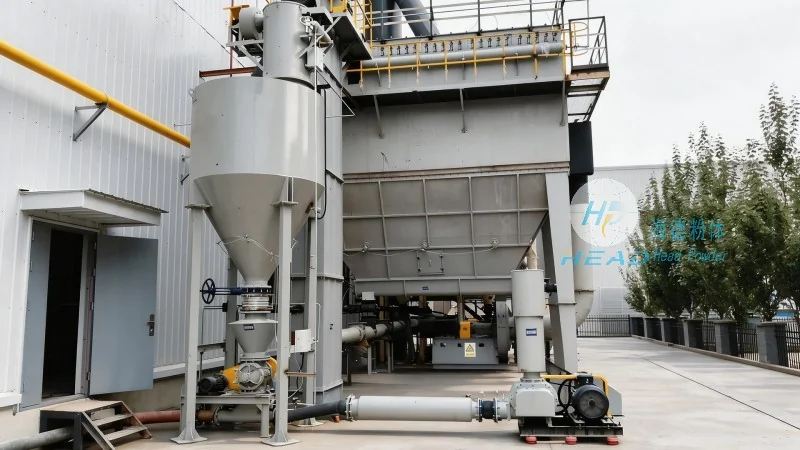
Negative pressure conveying, or vacuum conveying, operates by creating a vacuum at the inlet of the system. This method draws the gypsum powder into the pipeline using the pressure difference between the inlet and the outlet. Unlike positive pressure systems, negative pressure conveying does not require a high-pressure blower; instead, it relies on a vacuum pump to create the necessary suction. This approach is often preferred for shorter distances or when the material needs to be transported from a low elevation to a higher one. The system is typically more compact and requires less space, making it suitable for smaller-scale operations or facilities with limited room for equipment.
Key Advantages of Negative Pressure Conveying
Negative pressure conveying offers distinct advantages for gypsum powder handling. One of the primary benefits is its lower energy consumption compared to positive pressure systems, as the vacuum pump requires less power than a high-pressure blower. This makes it more cost-effective for shorter transport distances. The method is also less noisy and produces fewer air emissions, contributing to a more environmentally friendly operation. Additionally, negative pressure systems are easier to install and maintain, as they do not require complex piping or high-pressure components. The vacuum pump can be located away from the material source, reducing the risk of contamination and making the system more flexible.
Practical Applications and Considerations
Negative pressure conveying is commonly used in applications where the material needs to be transported from a silo or hopper to a processing unit over short distances. It is particularly effective for handling fine powders, as the vacuum helps to prevent dust dispersion and ensures a clean operation. However, the method has limitations when it comes to transporting abrasive or sticky materials, as the vacuum may not provide enough force to move the material efficiently. The system is also more susceptible to clogging, especially if the powder contains moisture or clumps. Maintenance of the vacuum pump and filters is crucial to ensure consistent performance, as clogged filters can reduce suction capacity and lead to system failures.
Comparative Analysis: Positive vs. Negative Pressure Conveying
When comparing positive and negative pressure conveying for gypsum powder, several factors must be considered. The choice depends on the specific requirements of the operation, including the distance, material characteristics, and available space. Positive pressure systems are generally more suitable for long-distance or complex transport scenarios, as they can handle higher material loads and abrasive materials. They are also more reliable for continuous operation, as the pressurized air maintains a consistent flow. However, they require more energy and may be more expensive to install and maintain.
On the other hand, negative pressure conveying is ideal for shorter distances and smaller-scale operations, offering lower energy consumption and easier maintenance. It is better suited for fine powders and less abrasive materials, as the vacuum does not generate as much impact or abrasion. However, it is less effective for transporting high volumes or sticky materials and may be more prone to clogging and system failures.
Choosing the Right Conveying Method for Gypsum Powder
For businesses operating in the gypsum industry, selecting the appropriate pneumatic conveying method is a critical decision that impacts operational efficiency and cost. Positive pressure conveying is often the preferred choice for large-scale, long-distance transport, while negative pressure conveying is more suitable for smaller, shorter-distance applications. The decision should also consider the material's properties, such as moisture content, particle size, and abrasiveness, as these factors influence the effectiveness of each method.
Shandong HeadPowder Engineering Co., Ltd., a leading provider of pneumatic conveying solutions, offers tailored systems to meet the specific needs of gypsum powder handling. With years of experience in the industry, the company understands the unique challenges of transporting gypsum and provides customized solutions that optimize performance and reduce operational costs. Whether a positive or negative pressure system is chosen, the goal is to ensure efficient, reliable, and safe transport of gypsum powder, supporting the overall productivity of the operation.
By carefully evaluating the advantages and limitations of each method, stakeholders can make an informed decision that aligns with their operational requirements and budget. The choice between positive and negative pressure conveying ultimately depends on the specific application and the priorities of the business, ensuring that the selected system maximizes efficiency and minimizes downtime.