

Positive Pressure and Negative Pressure Conveying of Carbon Powder: A Comparative Analysis of Two Pn
When it comes to transporting carbon powder, selecting the right pneumatic conveying method is crucial for efficiency, cost-effectiveness, and operational safety. Pneumatic conveying systems use air or gas to move bulk materials like carbon powder through a pipeline. Two primary methods are widely used: positive pressure conveying and negative pressure conveying. This article provides a detailed comparison of these two approaches, focusing on their mechanisms, advantages, disadvantages, and suitable applications, with insights from Shandong HeadPowder Engineering Co., Ltd., a leading provider of industrial conveying solutions based in Shandong, China.
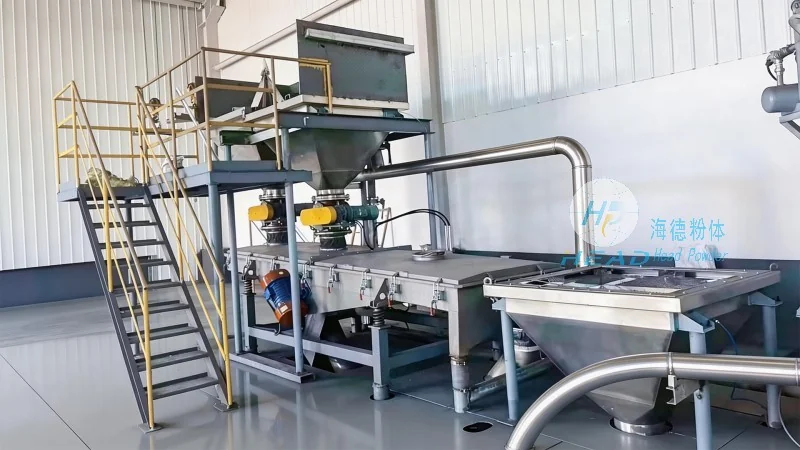
Understanding Pneumatic Conveying Basics
Pneumatic conveying is a technology that utilizes compressed air or vacuum to transport solid materials through a pipeline. It offers advantages such as dust-free operation, flexibility in layout, and the ability to handle materials that are difficult to transport by other means. The choice between positive and negative pressure systems depends on factors like material properties, distance, and the need for environmental control.
Positive Pressure Conveying: The "Push" Method
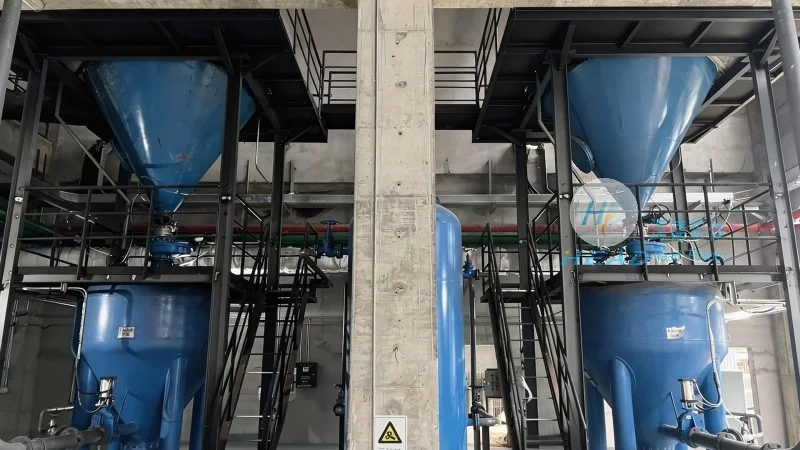
Positive pressure conveying, also known as pressure conveying, operates by blowing air or gas into the conveying line at a higher pressure than the ambient air. This method "pushes" the material forward through the pipeline. The system typically includes a blower or compressor at the inlet, a hopper to feed the material, and a discharge point where the material is released. The pressure differential ensures that the material is continuously moved along the pipeline.
For carbon powder, positive pressure conveying is often preferred when the material is abrasive or has a high density. The high pressure helps to maintain the flow rate and prevents blockages. Shandong HeadPowder Engineering Co., Ltd. specializes in designing positive pressure systems tailored to handle carbon powders, ensuring efficient and reliable transport. The company’s expertise in material handling allows them to optimize the system for specific carbon powder characteristics, such as particle size and moisture content.
Negative Pressure Conveying: The "Suction" Method
Negative pressure conveying, or vacuum conveying, works by creating a vacuum in the conveying line, which "sucks" the material from the source into the pipeline. The system uses a vacuum pump at the inlet to draw the material, and the air and material mixture is then filtered and discharged at the outlet. This method is particularly useful for applications where the material needs to be transported from a source that is difficult to access or where dust control is critical.
When handling carbon powder, negative pressure conveying may be chosen for its ability to handle fine powders without generating excessive dust. The vacuum system can effectively capture and transport the material, reducing the risk of airborne particles. Shandong HeadPowder Engineering Co., Ltd. offers vacuum conveying solutions that are designed to handle carbon powders with precision, ensuring minimal loss and high efficiency. The company’s systems are equipped with advanced filtration to maintain air quality and comply with environmental regulations.
Comparative Analysis: Key Differences and Considerations
Both positive and negative pressure conveying have their own set of advantages and disadvantages. Positive pressure systems are generally more suitable for long-distance transport and high-volume applications, as they can maintain consistent pressure and flow rates. They are also easier to maintain and repair, as the components are exposed to higher pressure and less prone to clogging. However, they may require more energy to operate and can generate more noise and vibration.
Negative pressure systems, on the other hand, are ideal for short-distance transport and applications where the material is sensitive to pressure changes. They are more energy-efficient for short distances and can handle fine powders more effectively. However, they are more complex to design and maintain, as the vacuum system requires careful monitoring to prevent air leaks and ensure efficient operation. Negative pressure systems also generate more dust and require additional filtration to meet environmental standards.
For carbon powder, the choice between the two methods depends on several factors. If the carbon powder is coarse and abrasive, positive pressure conveying may be the better option due to its ability to handle high pressures and maintain flow. If the powder is fine and requires dust control, negative pressure conveying may be more suitable. Shandong HeadPowder Engineering Co., Ltd. provides comprehensive analysis and consultation to help clients choose the most appropriate method based on their specific needs, ensuring optimal performance and cost-effectiveness.
Applications and Industry Use Cases
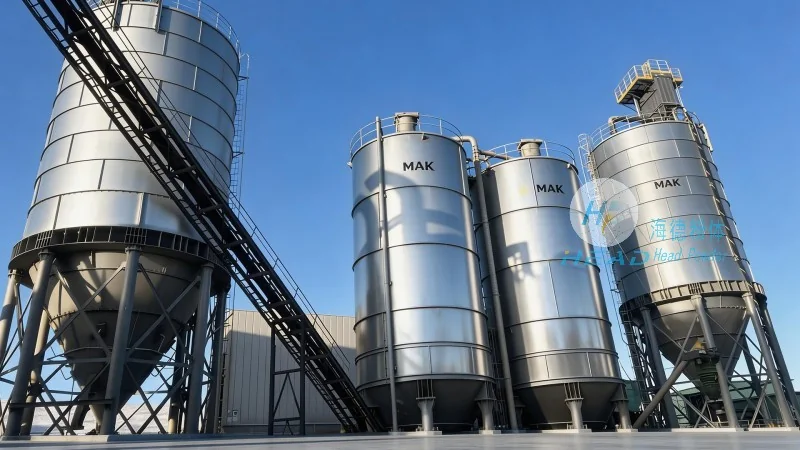
Positive pressure conveying is commonly used in industries such as chemical processing, food processing, and mining, where carbon powder is transported over long distances or through complex pipelines. For example, in a carbon black production facility, positive pressure systems are used to move carbon powder from storage silos to processing units. The high pressure ensures that the material is transported efficiently without clogging the lines.
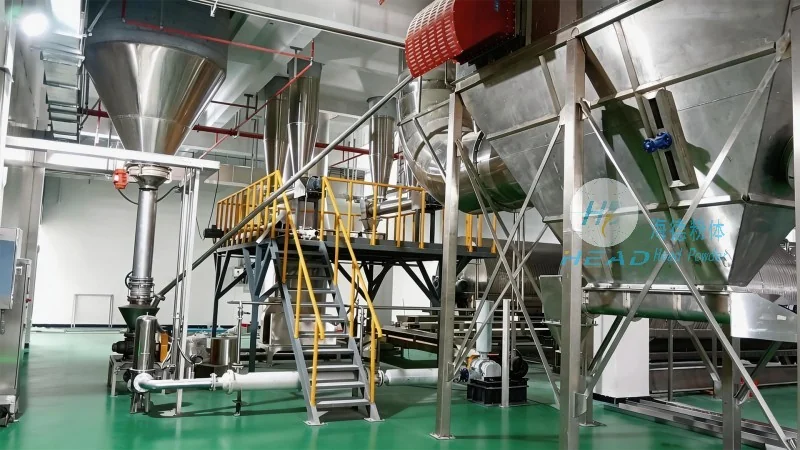
Negative pressure conveying is often used in applications where the material is handled in enclosed spaces or where dust control is a priority. For instance, in a carbon fiber manufacturing plant, negative pressure systems are used to transport fine carbon powders from mixing stations to extrusion lines. The vacuum system helps to maintain a clean environment and prevent dust from spreading to other areas of the facility.
Shandong HeadPowder Engineering Co., Ltd. has successfully implemented both positive and negative pressure conveying systems for various clients in the carbon powder industry. The company’s expertise in material handling and system design has enabled them to deliver solutions that meet the specific requirements of each application, ensuring reliable and efficient transport of carbon powders.
Conclusion and Recommendations
Choosing between positive and negative pressure conveying for carbon powder transport requires careful consideration of material properties, transport distance, and operational requirements. Positive pressure systems offer high efficiency and reliability for long-distance transport, while negative pressure systems provide better dust control and are suitable for short-distance or fine powder applications. Shandong HeadPowder Engineering Co., Ltd. provides expert guidance and customized solutions to help clients select the most appropriate pneumatic conveying method for their carbon powder handling needs. By leveraging their experience and advanced technology, the company ensures that clients achieve optimal performance, cost savings, and operational safety in their material transport processes.