

Comparative Analysis of Positive Pressure and Negative Pressure Conveying for Slag
Slag, a byproduct of steelmaking and other industrial processes, requires efficient and reliable transport methods to ensure smooth operation in various industrial applications. Among the available options, pneumatic conveying systems, particularly those utilizing positive pressure and negative pressure principles, have emerged as key technologies for handling slag. This article provides a detailed comparison of positive pressure and negative pressure conveying systems, highlighting their respective advantages, limitations, and applications, with a focus on the solutions offered by Shandong HeadPowder Engineering Co., Ltd., a leading provider in the field.
Understanding Pneumatic Conveying Systems
Pneumatic conveying is a method of transporting bulk materials through a pipeline using air or gas as the conveying medium. It offers several advantages over traditional mechanical conveying, including reduced equipment wear, lower maintenance costs, and the ability to handle materials that are difficult to transport via conventional methods. The two primary types of pneumatic conveying systems are positive pressure and negative pressure systems, each with distinct operational principles and suitability for different material characteristics and process requirements.
Positive Pressure Conveying Systems
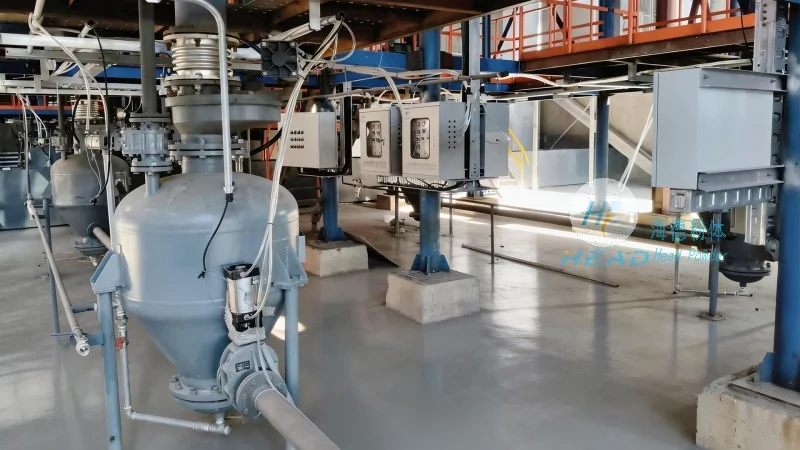
Positive pressure conveying systems operate by blowing air or gas into the material to be conveyed, creating a pressure differential that propels the material through the pipeline. This method is particularly effective for transporting materials with high moisture content, abrasive properties, or those that are prone to caking. The system typically includes a blower or compressor at the inlet, a hopper for material storage, and a pipeline network that transports the material to the discharge point. The pressure maintained in the system ensures that the material remains in suspension, preventing blockages and ensuring consistent flow rates.
One of the key advantages of positive pressure systems is their ability to handle a wide range of material types, including fine powders, granules, and even wet or sticky materials. The high pressure and velocity of the air or gas create sufficient force to overcome the resistance of the material, ensuring reliable transport. However, this method may require more energy input compared to negative pressure systems, as the blower or compressor must generate sufficient pressure to move the material through the pipeline. Additionally, the system may generate more noise and require more robust equipment to withstand the higher pressures.
Negative Pressure Conveying Systems
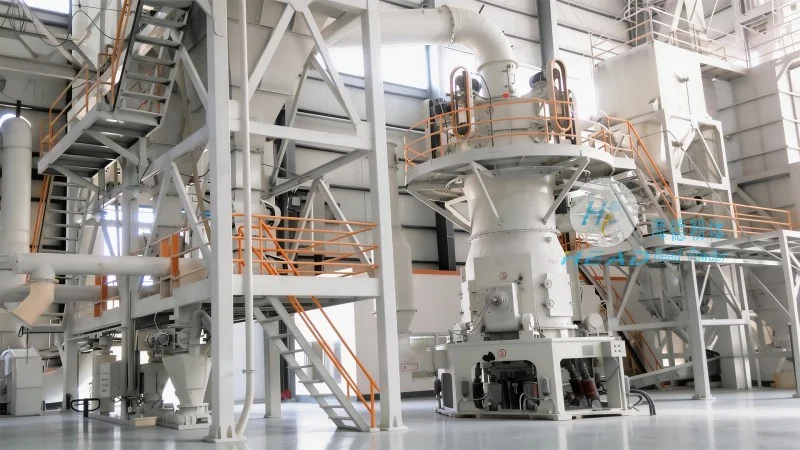
Negative pressure conveying systems, also known as suction or vacuum systems, operate by creating a vacuum at the discharge end of the pipeline, drawing the material from the source into the system. The material is then transported through the pipeline by the suction force created by the vacuum. This method is often preferred for applications where the material needs to be transported from a high elevation to a lower one, or where the material is to be collected from a large area and transported to a central processing unit.
A significant advantage of negative pressure systems is their lower energy consumption compared to positive pressure systems, as the vacuum is created by a fan or pump that operates at lower speeds and pressures. This results in reduced operational costs and lower noise levels. However, negative pressure systems are generally less effective for handling abrasive or high-density materials, as the lower pressure and velocity may not be sufficient to maintain material suspension, leading to potential blockages or reduced flow rates. The system also requires careful design to prevent dust emissions and ensure that the vacuum is maintained throughout the pipeline.
Comparative Analysis: Positive vs. Negative Pressure Conveying
When comparing positive and negative pressure conveying systems for slag transport, several factors must be considered, including material characteristics, system efficiency, operational costs, and environmental impact. Positive pressure systems are generally more suitable for handling high-density, abrasive, or wet slag, as they can maintain material suspension and prevent blockages with higher pressure and velocity. They are also more effective in applications where the material needs to be transported over long distances or at high flow rates. However, the higher energy consumption and potential for increased noise and equipment wear are important considerations.
Negative pressure systems, on the other hand, are more energy-efficient and produce less noise, making them ideal for applications where environmental considerations are a priority. They are particularly effective for collecting and transporting fine slag particles from large areas, such as in steel mills or foundries. However, their lower pressure and velocity may limit their use in applications requiring high flow rates or the transport of abrasive materials. The system's susceptibility to blockages and the need for careful design to maintain vacuum levels are also important factors to consider.
Applications in Slag Handling
Both positive and negative pressure conveying systems find applications in various industrial settings, including steelmaking, foundry operations, and waste management facilities. Positive pressure systems are commonly used in steel mills to transport slag from the blast furnace to the slag processing plant, where it can be further processed into construction materials or recycled. The high pressure and velocity of the system ensure that the slag is transported efficiently and without blockages, even when dealing with wet or sticky slag.
Negative pressure systems are often used in foundries to collect and transport fine slag particles from the casting floor to a central collection point. The vacuum created by the system allows for the gentle handling of fine particles, preventing dust emissions and ensuring that the material is collected without damage. This method is particularly useful in applications where the slag needs to be transported over short distances or where the material is to be processed immediately after collection.
Role of Shandong HeadPowder Engineering Co., Ltd.
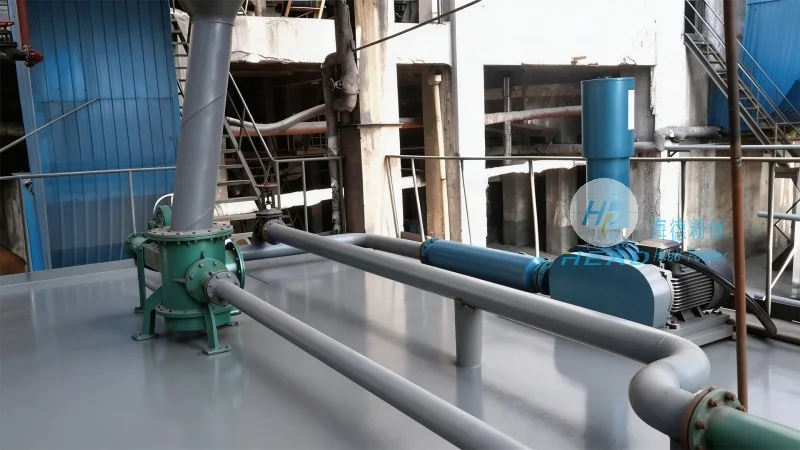
Shandong HeadPowder Engineering Co., Ltd., or headpowder, is a leading provider of pneumatic conveying solutions for industrial applications, including slag handling. The company specializes in designing and manufacturing customized positive and negative pressure conveying systems tailored to the specific needs of its clients. With years of experience in the industry, headpowder has developed a deep understanding of the challenges associated with slag transport and has developed innovative solutions to address these challenges.
The company's positive pressure conveying systems are designed to handle a wide range of slag types, including high-density, abrasive, and wet materials. The systems are equipped with advanced blower technology and robust pipeline designs to ensure reliable operation and minimal maintenance. The company also offers negative pressure systems that are energy-efficient and environmentally friendly, suitable for applications where noise and dust emissions are a concern.
Headpowder's team of engineers and technicians work closely with clients to understand their specific requirements and provide tailored solutions. The company's commitment to quality and customer satisfaction has earned it a reputation as a trusted partner in the industry. By leveraging its expertise in pneumatic conveying technology, headpowder helps clients improve their slag handling processes, reduce operational costs, and enhance overall efficiency.
Conclusion
In conclusion, both positive and negative pressure pneumatic conveying systems offer effective solutions for slag transport, each with its own advantages and limitations. The choice between the two systems depends on the specific material characteristics, process requirements, and operational considerations of the application. Positive pressure systems are generally more suitable for high-density, abrasive, or wet slag, while negative pressure systems are more energy-efficient and environmentally friendly. Shandong HeadPowder Engineering Co., Ltd. provides comprehensive solutions for both types of systems, helping clients optimize their slag handling processes and achieve their operational goals.