

PUR Positive Pressure and Negative Pressure Conveying: A Comparative Analysis of Two Pneumatic Conve
When it comes to material handling in industrial applications, pneumatic conveying systems offer efficient solutions for transporting bulk materials. Two primary methods dominate the market: positive pressure conveying and negative pressure conveying. Understanding the differences between these approaches is crucial for selecting the right system for specific operational needs. This article provides a detailed comparison of positive pressure and negative pressure conveying, focusing on their mechanisms, advantages, and applications, with insights from Shandong HeadPowder Engineering Co., Ltd., a leading provider in the field.
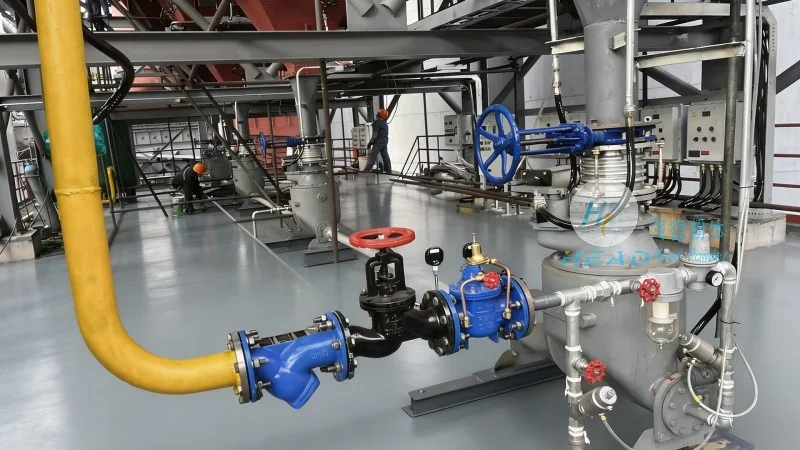
Introduction to Pneumatic Conveying Systems
Pneumatic conveying, also known as air conveying, is a method of transporting bulk materials through a pipeline using compressed air or vacuum. It is widely used in industries such as food processing, pharmaceuticals, chemicals, and minerals due to its ability to handle a variety of materials, including powders, granules, and fine particles. The choice between positive pressure and negative pressure systems depends on factors like material characteristics, distance, and system complexity. Both methods have their unique benefits and limitations, which are explored in this analysis.
Positive Pressure Conveying: How It Works
Positive pressure conveying operates by forcing air and material through the pipeline using a positive pressure source, typically a blower or compressor. The system maintains a higher pressure inside the pipeline compared to the ambient environment. This approach is particularly effective for transporting materials over longer distances and through complex piping networks. The headpowder company, Shandong HeadPowder Engineering Co., Ltd., specializes in designing and manufacturing positive pressure conveying systems tailored to client requirements.
Key components of a positive pressure system include the blower, material feed hopper, pipeline, and discharge point. The blower generates the necessary pressure to move the material, while the feed hopper ensures a consistent flow of material into the system. The pipeline is designed to handle the pressure and maintain the material's integrity during transport. Positive pressure conveying is known for its high efficiency in moving materials quickly and reliably, making it suitable for applications where speed and throughput are critical.
Negative Pressure Conveying: Mechanism and Applications
Negative pressure conveying, also known as vacuum conveying, uses a vacuum pump to create a lower pressure inside the pipeline compared to the external environment. Material is drawn into the system through a hopper or feeder and then transported through the pipeline to the discharge point. This method is ideal for applications where the material needs to be transported from a lower elevation or where the system must be enclosed to prevent dust emissions. The headpowder company also offers negative pressure conveying solutions, addressing the needs of industries that prioritize dust control and material containment.
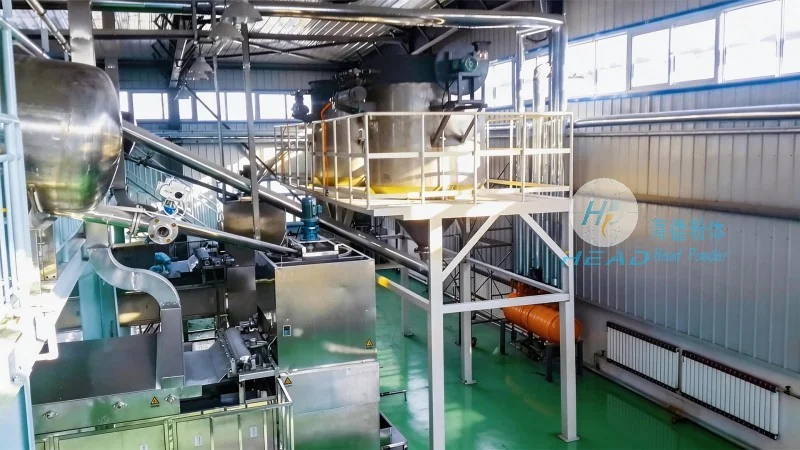
Components of a negative pressure system include the vacuum pump, inlet hopper, pipeline, and filter system. The vacuum pump creates the vacuum, while the inlet hopper allows material to be drawn into the system. The pipeline is designed to maintain the vacuum and transport the material efficiently. Negative pressure conveying is often preferred for handling fine powders and materials that are sensitive to pressure or temperature changes, as it operates at lower pressures compared to positive pressure systems.
Comparative Analysis: Positive vs. Negative Pressure Conveying
When comparing positive and negative pressure conveying, several factors come into play. Positive pressure systems are generally more suitable for longer distances and higher material throughput, as they can maintain higher pressures and move materials more quickly. They are also less prone to blockages in the pipeline, as the higher pressure helps to keep the material moving. However, positive pressure systems may require more maintenance due to the higher pressures involved and can be more expensive to install and operate.
Negative pressure systems, on the other hand, are better suited for shorter distances and applications where dust control is a priority. They are less likely to cause material degradation due to lower pressures and can be more cost-effective for small-scale operations. However, negative pressure systems may be more susceptible to blockages, especially with fine powders, and require more robust filtration systems to prevent dust emissions.
Advantages and Limitations of Each Method
Positive pressure conveying offers several advantages, including high efficiency, ability to handle longer distances, and suitability for a wide range of materials. It is particularly effective for transporting abrasive or corrosive materials, as the higher pressure helps to prevent material buildup in the pipeline. However, the main limitation is the higher energy consumption due to the need to maintain high pressure, which can increase operational costs.
Negative pressure conveying provides advantages such as better dust control, lower noise levels, and suitability for handling fine powders. It is also more environmentally friendly due to the enclosed system and reduced emissions. The primary limitation is the lower material throughput compared to positive pressure systems, as the vacuum pump may not be able to move materials as quickly over longer distances.
Applications in Different Industries
Both positive and negative pressure conveying systems are used in various industries. Positive pressure systems are commonly used in the food and pharmaceutical industries for transporting ingredients and finished products over longer distances. They are also used in the chemical industry for handling corrosive materials. Negative pressure systems are preferred in the pharmaceutical and food industries for handling fine powders and sensitive materials, as they provide better containment and dust control.
Shandong HeadPowder Engineering Co., Ltd. has extensive experience in designing and implementing both positive and negative pressure conveying systems for a variety of industrial applications. The company's expertise ensures that clients receive tailored solutions that meet their specific operational needs and regulatory requirements.