

Advantages and Disadvantages of Negative Pressure and Positive Pressure Pneumatic Conveying for Lith
When it comes to the efficient handling and transportation of lithium-ion battery cathode materials, pneumatic conveying systems offer a reliable solution. These systems are crucial for ensuring the safe and effective movement of powders and granules within industrial settings. Two primary methods dominate this field: negative pressure (suction) conveying and positive pressure (blowing) conveying. Each approach has its own set of advantages and disadvantages, which are essential to understand for selecting the most suitable system for specific applications.
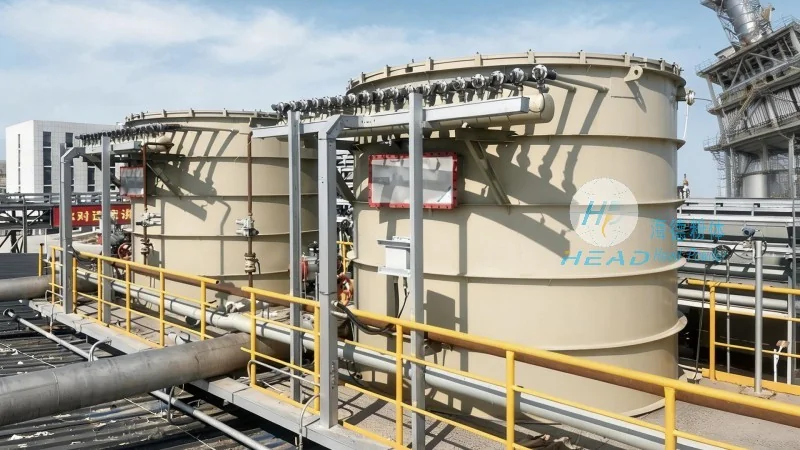
Understanding Negative Pressure (Suction) Pneumatic Conveying
Negative pressure conveying, also known as suction conveying, operates by creating a vacuum at the material inlet. This vacuum draws the material into the conveying line using a fan or blower located at the discharge end. The process involves the material being drawn from a hopper or storage bin into the pipeline, where it is then transported to the destination point. This method is particularly effective for handling materials that are sensitive to pressure changes or for applications where the material source is at a higher elevation than the destination.
One of the key advantages of negative pressure conveying is its ability to handle materials with high moisture content or those that are prone to dust generation. The vacuum environment helps in controlling dust emissions and maintaining material integrity. Additionally, this system is generally less complex in terms of equipment layout, as it does not require a high-pressure pump at the inlet. However, negative pressure conveying has limitations, such as lower conveying distances compared to positive pressure systems and potential issues with material clogging in the suction line if the material is too fine or cohesive.
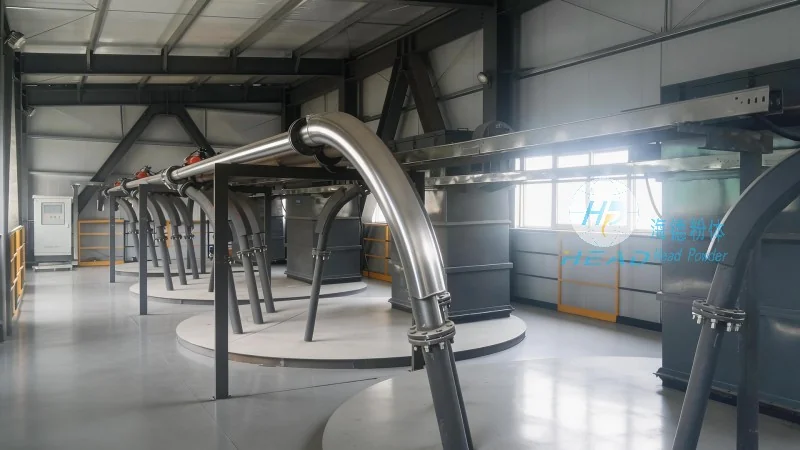
Exploring Positive Pressure (Blowing) Pneumatic Conveying
Positive pressure conveying, or blowing conveying, works by forcing air or a carrier gas through the material at the inlet. The material is then carried along the pipeline by the high-pressure air stream. This method is suitable for longer conveying distances and for materials that are less sensitive to pressure variations. The system typically includes a blower or compressor at the inlet, which provides the necessary pressure to move the material.
One of the main advantages of positive pressure conveying is its ability to transport materials over longer distances with higher throughput rates. It is also more suitable for handling abrasive or corrosive materials, as the high-pressure air can help in breaking up agglomerates and ensuring consistent flow. However, this system may generate more dust and require more robust equipment to handle high pressures. Additionally, the cost of the blower and the energy consumption are higher compared to negative pressure systems.
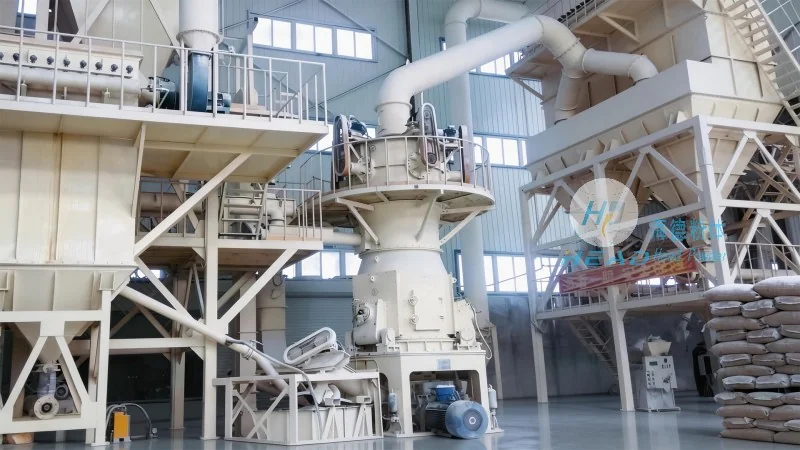
Comparative Analysis: Negative vs. Positive Pressure Conveying
When comparing the two methods, several factors come into play. The choice between negative and positive pressure conveying depends on the specific requirements of the application, including the material properties, conveying distance, and operational environment. For example, if the material source is at a lower elevation and the destination is higher, negative pressure may be more efficient. Conversely, for long-distance transport or when dealing with materials that require high pressure to maintain flow, positive pressure is preferable.
From an operational perspective, negative pressure systems are generally easier to install and maintain, as they do not require high-pressure components at the inlet. They also tend to be more energy-efficient for shorter distances. Positive pressure systems, on the other hand, offer higher throughput and are better suited for challenging material characteristics but come with higher energy costs and maintenance requirements.
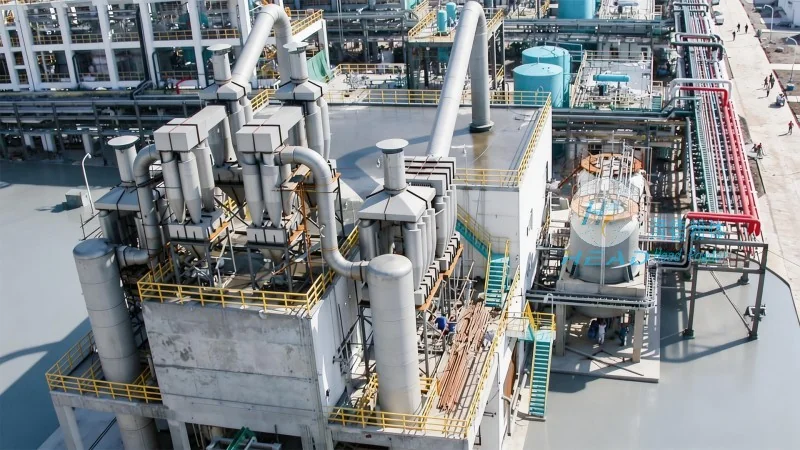
Application Considerations and Best Practices
For lithium-ion battery cathode materials, which often include fine powders and may have varying particle sizes, the choice of conveying system is critical. Materials like lithium cobalt oxide (LCO), lithium iron phosphate (LFP), and nickel manganese cobalt oxide (NMC) require careful handling to prevent agglomeration and loss of material quality. Negative pressure conveying can help in maintaining the material's moisture content and preventing dust buildup, which is essential for maintaining the material's performance characteristics. Positive pressure conveying, while capable of handling larger particles and longer distances, may need additional equipment like cyclones or filters to manage dust and ensure material purity.
Another important consideration is the environmental impact. Negative pressure systems are generally more environmentally friendly as they produce less noise and dust compared to positive pressure systems. However, positive pressure systems can be equipped with dust collection systems to mitigate environmental concerns. Ultimately, the decision between negative and positive pressure conveying should be based on a thorough analysis of the material properties, operational constraints, and cost implications.