

Comparison of Advantages and Disadvantages of Negative Pressure vs. Positive Pressure Conveying for
When it comes to the pneumatic transport of dry desulfurizer, the choice between negative pressure and positive pressure conveying systems is a critical decision for industrial operations. Both methods have their own set of advantages and disadvantages, which can significantly impact efficiency, cost, and operational safety. This article provides a detailed comparison of negative pressure and positive pressure conveying for dry desulfurizer, highlighting the key factors that influence the selection process.
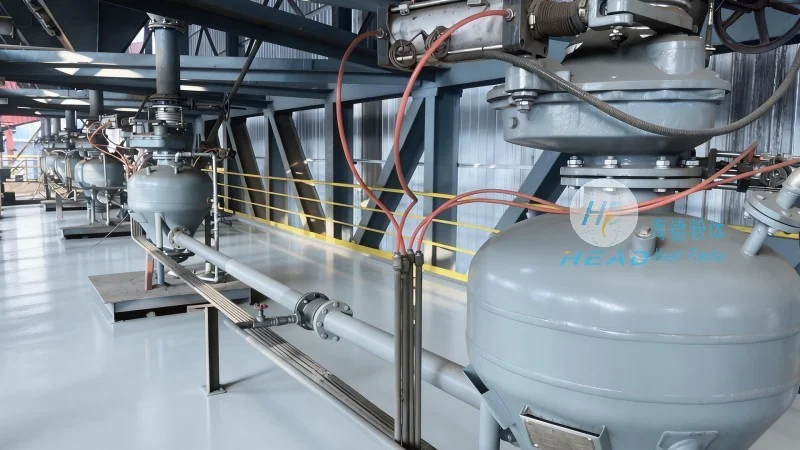
Overview of Pneumatic Conveying Systems for Dry Desulfurizer
Dry desulfurizer, often used in flue gas desulfurization processes, requires efficient and reliable transport from storage to the point of use. Pneumatic conveying systems offer a non-contact, automated solution that can handle bulk materials like desulfurizer powder. The two primary types of pneumatic conveying are negative pressure (or suction) and positive pressure (or pressure) systems. Understanding the differences between these systems is essential for selecting the most suitable technology for a specific application.
Company Introduction: Shandong HeadPowder Engineering Co., Ltd.
Shandong HeadPowder Engineering Co., Ltd., a leading provider in the field, specializes in the design, manufacturing, and installation of pneumatic conveying systems tailored to industrial needs. With years of experience, the company delivers high-quality solutions that meet the stringent requirements of modern desulfurization processes. Headquartered in Shandong, China, the company leverages its expertise to ensure that clients receive systems optimized for performance, durability, and cost-effectiveness.
Advantages and Disadvantages of Negative Pressure Conveying
Negative pressure conveying, also known as suction conveying, operates by creating a low-pressure zone that draws material from the source into the conveying line. This method is particularly effective for applications where the material is to be transported from a storage silo or hopper to a processing unit. One of the primary advantages of negative pressure systems is their ability to handle materials with a wide range of particle sizes and moisture content without the need for pre-drying or conditioning. The system also minimizes material spillage and dust emissions at the source, as the material is drawn into the line rather than being expelled.
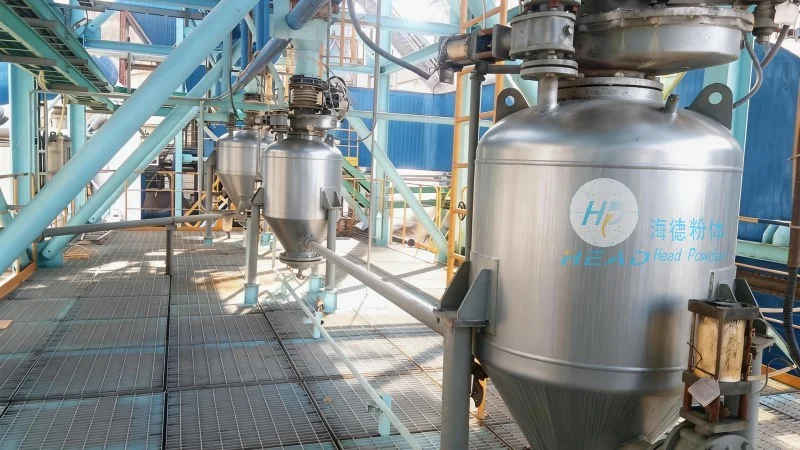
However, negative pressure conveying has several limitations. The most significant drawback is the lower conveying capacity compared to positive pressure systems. The suction force is limited by the fan's capacity and the system's pressure drop, which can restrict the volume of material that can be transported at a given time. Additionally, the system may be more susceptible to blockages if the material contains large particles or is prone to agglomeration. Maintenance requirements are also higher due to the need for regular cleaning of the suction line and fan components.
Advantages and Disadvantages of Positive Pressure Conveying
Positive pressure conveying, or pressure conveying, works by forcing air or gas through the conveying line under pressure, pushing the material from the source to the destination. This method is generally more suitable for longer conveying distances and higher material volumes. A key advantage of positive pressure systems is their higher conveying capacity and ability to handle larger particle sizes and bulkier materials. The system can maintain a consistent flow rate over longer distances, making it ideal for applications requiring continuous material transport.
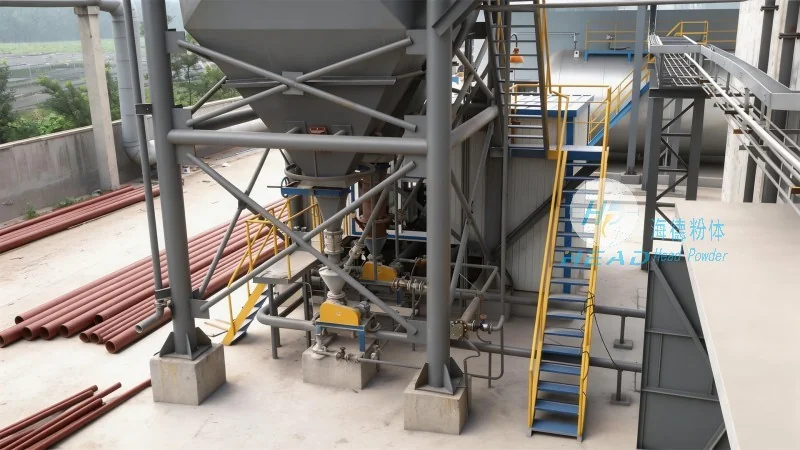
Despite its benefits, positive pressure conveying also has drawbacks. The most notable disadvantage is the higher risk of dust emissions and material spillage at the discharge point. The high-pressure air forces material out of the line, which can lead to increased environmental concerns and operational hazards. Additionally, the system requires more robust equipment, such as high-pressure blowers and stronger pipelines, which increases initial investment costs. Maintenance is also more complex due to the higher stress on components from the high-pressure air.
Key Factors Influencing the Choice Between Negative and Positive Pressure Conveying
The decision between negative and positive pressure conveying for dry desulfurizer depends on several factors, including the distance of transport, material characteristics, and operational requirements. For short distances and moderate material volumes, negative pressure systems may be more cost-effective and easier to install. However, for longer distances or high-volume transport, positive pressure systems offer superior performance and capacity. Material properties, such as particle size distribution, moisture content, and tendency to agglomerate, also play a crucial role. Materials that are fine and prone to dust may be better suited for negative pressure systems, while bulkier or larger particles may benefit from positive pressure transport.
Conclusion
In conclusion, both negative pressure and positive pressure conveying systems have their place in the pneumatic transport of dry desulfurizer. The choice between them should be based on a thorough evaluation of the specific application's requirements, including distance, material characteristics, and operational constraints. Shandong HeadPowder Engineering Co., Ltd. provides expert guidance and customized solutions to help clients select the most appropriate conveying system, ensuring optimal performance and efficiency in their desulfurization processes.