

Introduction to Polyethylene Powder Pneumatic Conveying Systems: Structure and Working Principles
HeadPowder, a leading engineering company based in Shandong, China, specializes in the design and manufacturing of advanced pneumatic conveying systems for various powder materials. This article provides an overview of polyethylene powder pneumatic conveying systems, focusing on their structural components and operational principles.
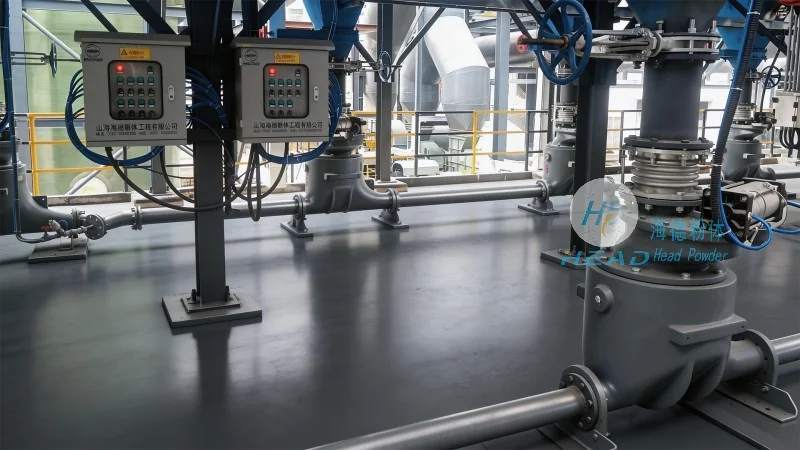
Pneumatic Conveying Systems: An Overview
Pneumatic conveying systems are widely used in industrial applications to transport bulk powders like polyethylene efficiently and safely. These systems utilize air or other gases to move materials through a pipeline, eliminating the need for mechanical components such as belts or screws. The core components of a typical polyethylene powder pneumatic conveying system include the material feeding unit, the conveying pipeline, the air supply system, and the control and monitoring equipment.
Structural Components of Polyethylene Powder Pneumatic Conveying Systems
The structural design of a polyethylene powder pneumatic conveying system is tailored to ensure optimal performance and reliability. The key components are as follows:
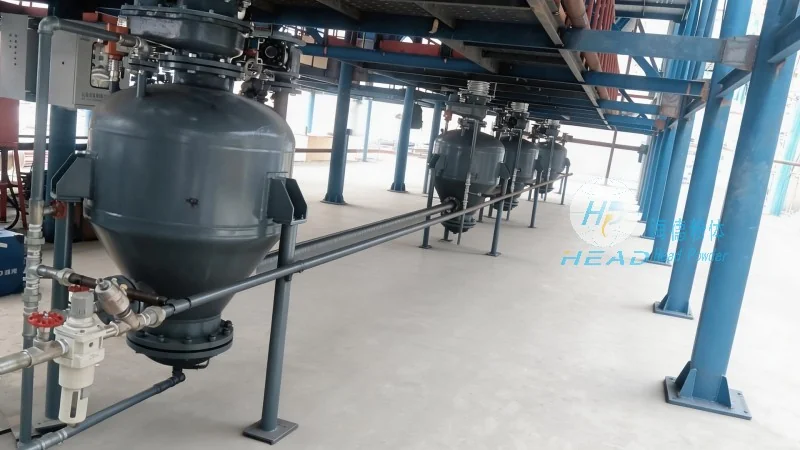
- Material Feeding Unit: This component is responsible for introducing polyethylene powder into the system. It typically includes a hopper, a feeder (such as a rotary valve or a screw feeder), and a dust collection system to prevent material loss and ensure a consistent feed rate. The hopper is designed with a sloped bottom to facilitate material flow, and the feeder is chosen based on the required discharge rate and the characteristics of the polyethylene powder (e.g., particle size, moisture content). The dust collection system, often a cyclone separator or a bag filter, captures fine particles and prevents them from being released into the environment.
- Conveying Pipeline: The pipeline is the main channel through which the polyethylene powder is transported. It is usually made of corrosion-resistant materials like stainless steel or special plastics (e.g., PTFE-coated pipes) to withstand the abrasive nature of polyethylene particles and the effects of air pressure. The pipeline diameter is selected based on the material flow rate and the desired air velocity, which is critical for achieving efficient conveying. Bends and elbows are designed with smooth transitions to minimize pressure losses and prevent material accumulation. Expansion joints may be included to accommodate thermal expansion and reduce stress on the pipeline.
- Air Supply System: This system generates and controls the airflow necessary for conveying the powder. It consists of a blower or a compressor, a filter to remove contaminants from the air, and a pressure regulator to maintain stable air pressure. The blower is typically a centrifugal type, providing high airflow at lower pressure, which is suitable for most pneumatic conveying applications. The air filter is essential to prevent dust and debris from entering the system and contaminating the polyethylene powder. The pressure regulator ensures that the air pressure remains within the optimal range for conveying, preventing overpressure that could damage the system or cause material blockages.
- Control and Monitoring Equipment: This component manages the operation of the entire system. It includes sensors to monitor pressure, flow rate, and temperature, as well as control valves and switches to regulate the air supply and feeding rate. Pressure transducers are used to measure the air pressure in the pipeline, while flow meters (e.g., orifice plates or vortex meters) monitor the air velocity. Temperature sensors may be installed to detect overheating, which could indicate a blockage or an abnormal condition. Modern systems often incorporate automation and data logging features, allowing operators to adjust parameters in real-time and record operational data for maintenance and performance analysis. Control logic, such as PID controllers, adjusts the feeder speed or air pressure based on the measured values to maintain stable conveying conditions.
Working Principles of Polyethylene Powder Pneumatic Conveying Systems
The operation of a polyethylene powder pneumatic conveying system follows a systematic process. Initially, the polyethylene powder is fed into the system from the material feeding unit. Simultaneously, the air supply system generates a high-velocity airflow within the pipeline. The air flow entrains the polyethylene particles, forming a slurry or a dense phase flow, which is then transported through the pipeline to the discharge point. The conveying mode can be either dense phase or dilute phase, depending on the system design and the material properties. In dense phase conveying, the air velocity is lower, and the powder is transported in a more concentrated form, which reduces the risk of particle degradation and improves material handling. In dilute phase conveying, the air velocity is higher, and the powder is transported in a more dispersed form, which is suitable for longer distances or when the material is less abrasive.
At the receiving end of the pipeline, the air and powder are separated. This is typically achieved using a separator, such as a cyclone or a bag filter. The separator uses centrifugal force to separate the powder from the air. The separated polyethylene powder is collected in a designated container, while the air is either returned to the air supply system (recirculation mode) or released to the atmosphere (open mode). The recirculation mode is more energy-efficient as it reduces the need for fresh air intake, but it requires additional filtration to maintain air quality. The open mode is simpler but may result in higher energy consumption and increased dust emissions.
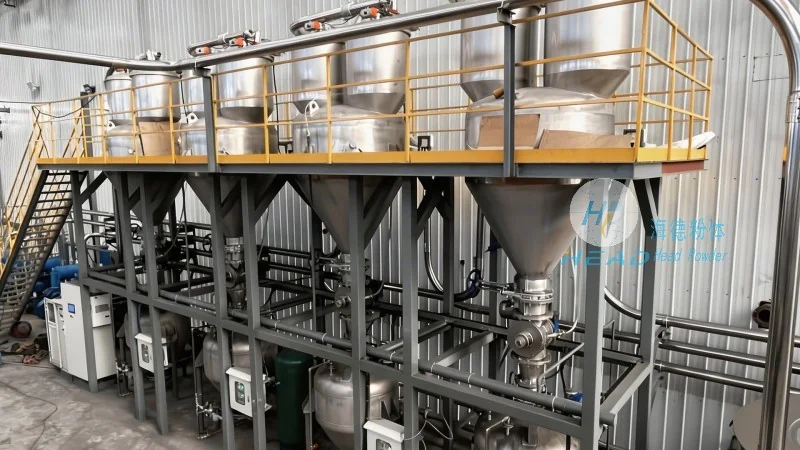
Advantages and Applications of Polyethylene Powder Pneumatic Conveying Systems
Pneumatic conveying systems for polyethylene powder offer several advantages over traditional mechanical conveying methods. These include reduced material handling costs, improved safety by eliminating manual handling of powders, and lower maintenance requirements due to the absence of moving parts in the pipeline. Additionally, these systems can handle a wide range of particle sizes and moisture contents, making them suitable for various industrial applications such as plastic manufacturing, packaging, and chemical processing.
In the plastic manufacturing industry, polyethylene powder pneumatic conveying systems are used to transport raw materials to processing equipment like extruders and blow molding machines. The efficient and dust-free conveying of polyethylene powder ensures consistent material quality and reduces downtime caused by material blockages. In packaging applications, these systems are used to fill polyethylene powder into bags or containers, providing a clean and hygienic process. The ability to control the flow rate and pressure allows for precise filling, minimizing waste and improving product consistency. In chemical processing, polyethylene powder is often used as a raw material in the production of other chemicals, and pneumatic conveying systems ensure safe and reliable transport of the material to reactors and other processing units.