

Introduction to and Structural Principles of Carboxymethyl Cellulose Pneumatic Conveying Systems
Carboxymethyl cellulose (CMC) is a widely used chemical additive in various industrial applications, including food processing, pharmaceuticals, and construction materials. The efficient and reliable transport of CMC powder is crucial for maintaining production efficiency and product quality. Pneumatic conveying systems have emerged as a preferred solution for handling CMC due to their ability to handle fine powders without the need for mechanical components that can cause contamination or wear. This article provides an overview of CMC pneumatic conveying systems, focusing on their structural design and operational principles.
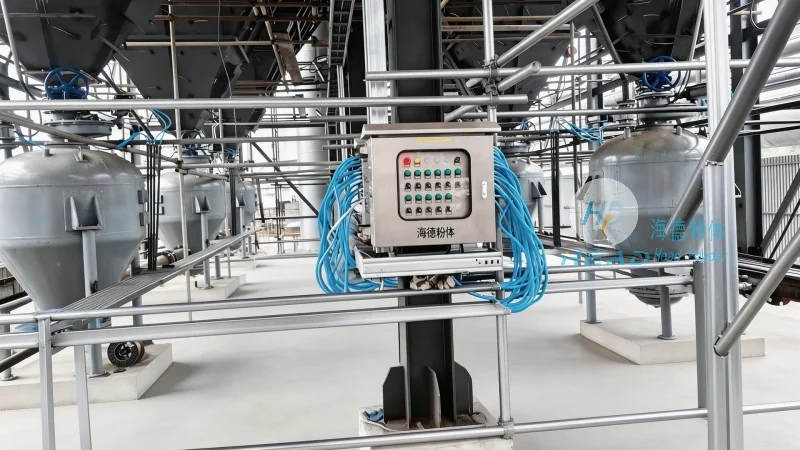
Structural Components and Working Principles
A typical CMC pneumatic conveying system consists of several key components that work in concert to transport the powder. The primary components include a material hopper, a rotary airlock valve, a conveying line (often with a venturi or eductor), and a receiver or collection tank. The material hopper stores the CMC powder and feeds it into the system. The rotary airlock valve acts as a seal between the hopper and the conveying line, preventing backflow and ensuring a controlled flow of material. The conveying line, which may be made of stainless steel or other corrosion-resistant materials, carries the air and powder mixture. The venturi or eductor creates a pressure drop that draws the powder into the air stream, enabling transport over long distances or to elevated locations.
Advantages of Pneumatic Conveying for CMC
Compared to traditional mechanical conveying methods, pneumatic systems offer several advantages when handling CMC. These include minimal product degradation due to reduced friction and impact, better containment of dust and airborne particles, and the ability to handle varying particle sizes and moisture content. The closed system design also enhances safety by preventing exposure to airborne contaminants and reducing the risk of cross-contamination between different batches of CMC. Additionally, pneumatic conveying can be integrated with other processing equipment, such as mixers or granulators, to streamline production workflows.
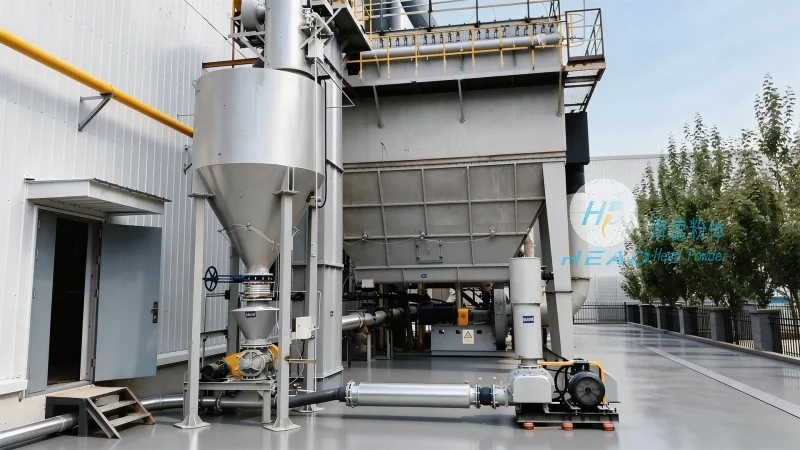
HeadPowder Engineering's Expertise in CMC Pneumatic Systems
Shandong HeadPowder Engineering Co., Ltd., commonly known as HeadPowder, is a leading manufacturer and supplier of specialized pneumatic conveying equipment. HeadPowder is headquartered in Shandong, China, and has established a strong presence in the industry with years of experience in handling complex powder handling challenges. The company's engineers specialize in designing systems that optimize material flow, minimize energy consumption, and ensure compliance with industry standards for safety and hygiene. HeadPowder's products are built with high-quality materials, such as stainless steel and food-grade components, to meet the stringent requirements of CMC applications in food and pharmaceutical sectors.
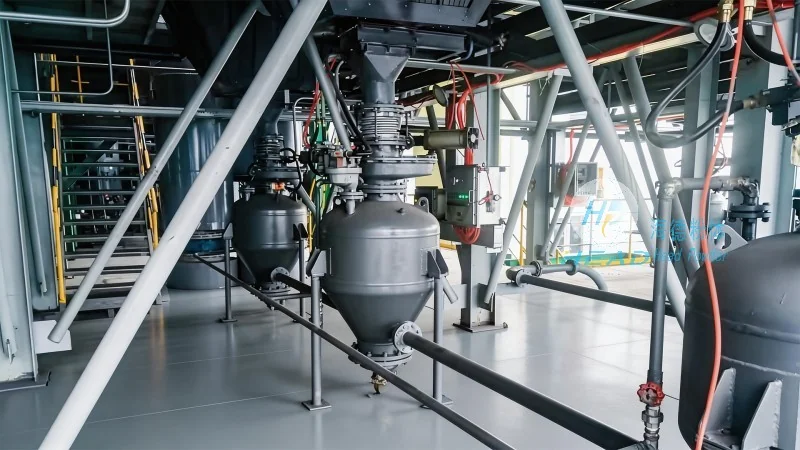
Customization and Application Flexibility
HeadPowder understands that each CMC processing facility has specific requirements, and the company offers customized pneumatic conveying solutions to meet these needs. Whether the application involves short-distance transport within a plant or long-distance delivery to a remote location, HeadPowder can design a system that matches the operational parameters, including flow rates, pressure, and material characteristics. The company's team of technical experts works closely with clients to assess their specific needs, conduct feasibility studies, and provide recommendations for the most efficient and cost-effective conveying system. This collaborative approach ensures that the final solution not only meets but exceeds the client's expectations in terms of performance and reliability.
Quality Assurance and After-Sales Support
At HeadPowder, quality is a top priority. The company adheres to rigorous quality control standards throughout the manufacturing process, from material selection to final assembly and testing. Each pneumatic conveying system undergoes comprehensive performance testing to ensure it meets the specified flow rates, pressure capabilities, and durability requirements. After delivery, HeadPowder provides comprehensive after-sales support, including installation guidance, training for operators, and ongoing maintenance services. This commitment to customer satisfaction helps ensure that the CMC pneumatic conveying systems remain operational and efficient over their service life, providing long-term value to clients.