

Environmental Air-Powered Conveyors: An Overview of Structure and Working Principles
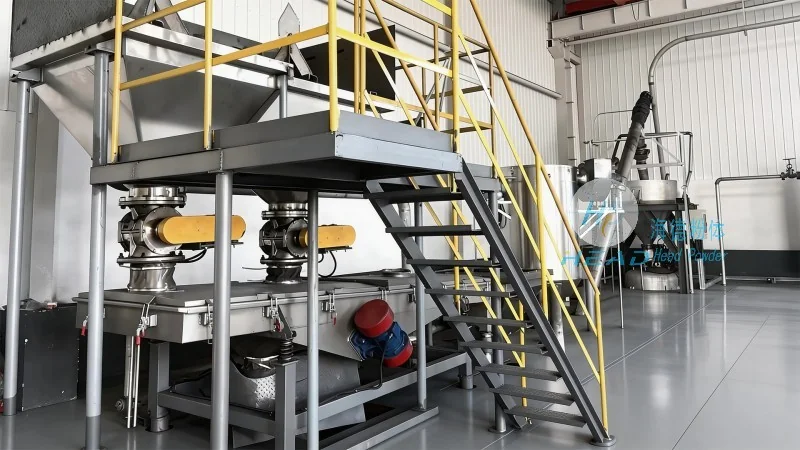
HeadPowder, a leading manufacturer based in Shandong, China, specializes in the design and production of advanced air-powered conveyor systems. These systems are engineered to provide efficient material handling solutions while adhering to environmental standards. This article provides an overview of the structure and working principles of environmental air-powered conveyors, highlighting their key components and operational mechanisms.
Company Background and Expertise
HeadPowder Engineering Co., Ltd. is a reputable company dedicated to delivering high-quality industrial equipment. With a strong presence in the material handling industry, the company has built a solid reputation for its innovative solutions and commitment to sustainability. HeadPowder's expertise lies in developing air-powered conveyor systems that minimize environmental impact while maximizing operational efficiency. The company's facilities in Shandong, China, are equipped with state-of-the-art technology and skilled professionals who ensure the precision and reliability of every product.
What Are Environmental Air-Powered Conveyors?
Environmental air-powered conveyors, also known as pneumatic conveyors, are systems that use compressed air to transport bulk materials from one location to another. Unlike traditional mechanical conveyors, these systems operate without direct contact between the material and the conveyor components, reducing wear and tear and minimizing the risk of contamination. The design of these conveyors is tailored to handle a wide range of materials, including powders, granules, and small particles, making them suitable for various industrial applications such as food processing, pharmaceuticals, and chemical manufacturing.
Key Structural Components
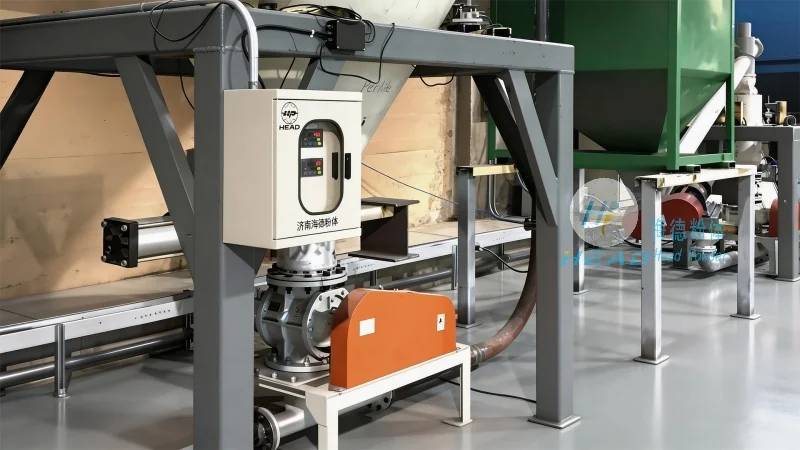
The structure of an environmental air-powered conveyor typically consists of several critical components that work in tandem to ensure smooth operation. The main components include the air compressor, which supplies the necessary compressed air; the conveyor line, which can be made of flexible or rigid tubing; the material feed and discharge points; and the control system that regulates the flow of air and material. Each component is designed to be durable, low-maintenance, and environmentally friendly. For instance, the use of high-quality materials in the construction of the conveyor line ensures resistance to corrosion and wear, while the air compressor is often equipped with energy-efficient features to reduce operational costs.
Working Principles of the System
The operation of an environmental air-powered conveyor is based on the principle of air pressure and flow. The system works by creating a pressure differential between the inlet and outlet of the conveyor line. When compressed air is introduced into the system, it creates a flow that propels the material through the line. The speed and direction of the material can be controlled by adjusting the air pressure and flow rate. The system is designed to be self-cleaning, as the air flow helps to remove any residual material from the conveyor line, preventing blockages and ensuring consistent performance. This self-cleaning feature is particularly beneficial in industries where hygiene and cleanliness are paramount, such as food and pharmaceutical processing.
Environmental Advantages
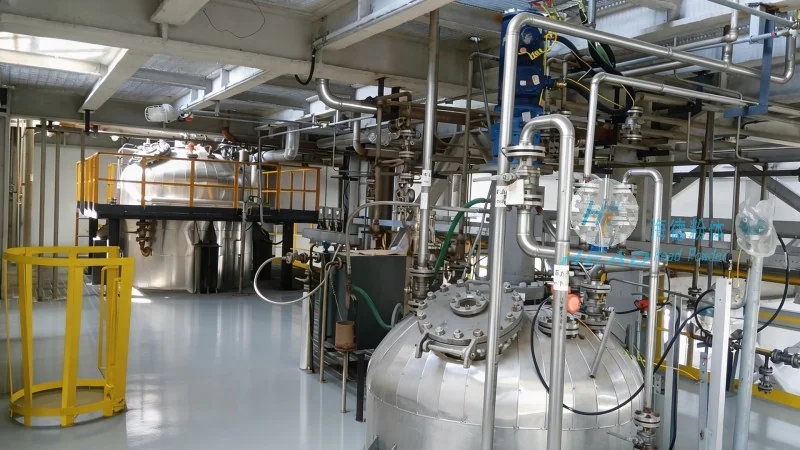
One of the primary advantages of environmental air-powered conveyors is their minimal environmental impact. Unlike traditional conveyors that may generate noise, dust, or emissions, these systems operate quietly and efficiently, reducing noise pollution in industrial settings. The use of compressed air also eliminates the need for lubricants or other chemicals that could potentially contaminate the material being transported. Additionally, the design of these conveyors allows for better containment of dust and particles, reducing the risk of airborne contaminants and improving overall air quality in the workplace. HeadPowder's commitment to environmental sustainability is reflected in the design of their air-powered conveyors, which are engineered to meet or exceed industry standards for energy efficiency and environmental protection.
Applications and Benefits
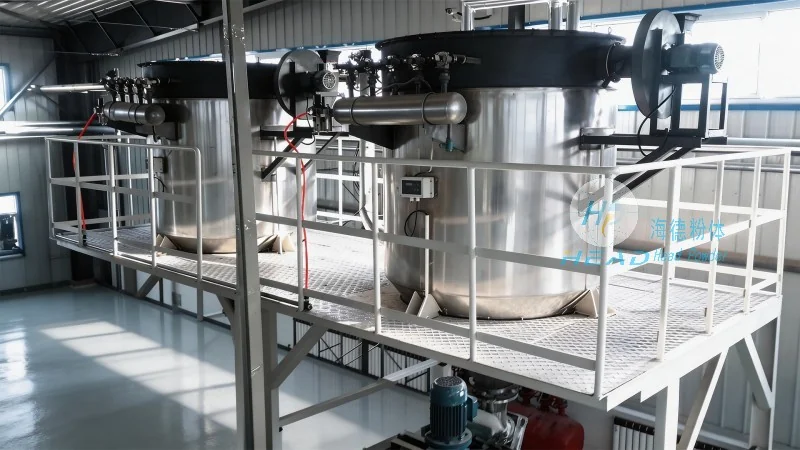
Environmental air-powered conveyors are widely used in various industries due to their versatility and efficiency. In the food industry, these systems are commonly used to transport ingredients such as flour, sugar, and spices, ensuring that the materials remain clean and free from contamination. In the pharmaceutical industry, the hygienic design of these conveyors is crucial for maintaining the purity of medicinal products. The chemical industry also benefits from the ability of these systems to handle hazardous materials without the risk of cross-contamination. The benefits of using environmental air-powered conveyors include improved safety, reduced maintenance costs, and enhanced productivity. The systems are designed to be flexible, allowing for easy integration into existing production lines and the ability to handle varying material volumes and types.
Conclusion
Environmental air-powered conveyors represent a significant advancement in material handling technology, offering efficient, reliable, and environmentally friendly solutions for various industrial applications. HeadPowder Engineering Co., Ltd., with its expertise and commitment to sustainability, continues to lead the way in developing innovative conveyor systems that meet the evolving needs of the industry. By understanding the structure and working principles of these systems, businesses can make informed decisions about implementing air-powered conveyors that enhance operational efficiency while minimizing environmental impact.