

Introduction to Grain Silo Pneumatic Conveying Equipment and Its Structural Principles
For those in the agricultural and food processing industries, understanding the technology behind efficient grain handling is crucial. A key component in modern grain storage and transportation systems is the grain silo pneumatic conveying equipment. This equipment plays a vital role in ensuring the smooth and safe movement of bulk materials like grains from storage silos to processing units or distribution centers. In this article, we will explore the fundamental aspects of grain silo pneumatic conveying systems, including their structural design and operational principles. The information presented here is provided by Shandong HeadPowder Engineering Co., Ltd., a leading manufacturer based in China.
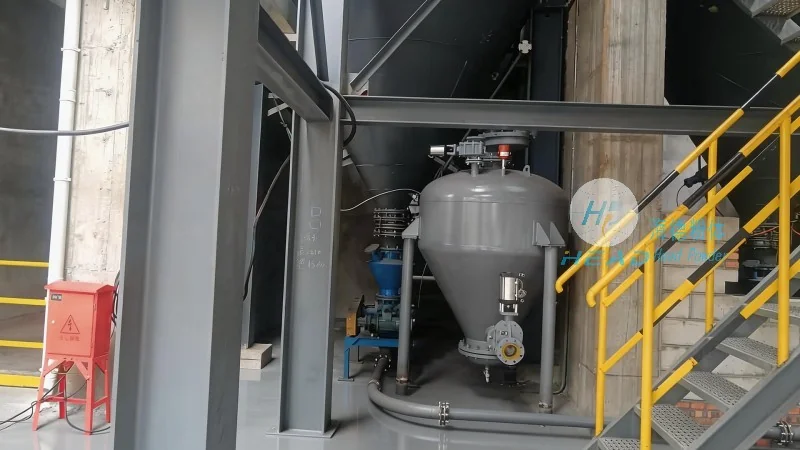
Overview of Grain Silo Pneumatic Conveying Equipment
Grain silo pneumatic conveying equipment is a specialized system designed to transport bulk materials, particularly grains, using air as the conveying medium. Unlike traditional mechanical conveyors, which rely on mechanical components like belts or screws, pneumatic systems utilize air pressure to move materials through a network of pipes and ducts. This method offers several advantages, including reduced maintenance, lower energy consumption, and the ability to handle materials in a dust-free environment. The equipment is commonly used in grain silos to transfer grain from storage bins to processing facilities, such as mills or elevators, or to transport grain to other locations within a facility.
Key Components of the Pneumatic Conveying System
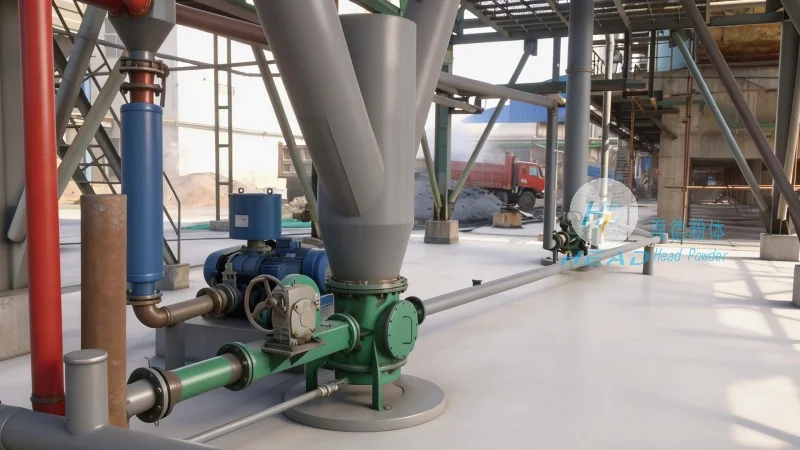
The grain silo pneumatic conveying system consists of several critical components that work together to ensure efficient material transport. These components include the hopper or inlet where the grain is loaded, the air compressor or blower that generates the air pressure, the conveying pipes or ducts that carry the material and air mixture, the control valves and regulators that manage the flow, and the discharge outlet where the grain is deposited. Each component plays a specific role in the overall operation of the system. The hopper is typically designed to hold a large volume of grain and features a discharge valve to control the flow of material into the system. The air compressor provides the necessary pressure to move the grain through the pipes, and the conveying pipes are often made of durable materials like stainless steel or plastic to withstand the abrasive nature of the grain and the pressure of the air.
Structural Design and Operational Principles
The structural design of grain silo pneumatic conveying equipment is engineered to optimize performance and durability. The system is typically integrated with the grain silo, with the inlet located at the bottom of the silo or at a convenient height for material discharge. The conveying pipes are arranged in a network that connects the inlet to the discharge point, often with bends and elbows to navigate the layout of the facility. The control system, which includes sensors and valves, monitors the pressure and flow of the air and grain mixture, ensuring that the system operates within safe and efficient parameters. The operational principle is based on the principle of fluidization, where the air pressure creates a suspension of the grain particles, allowing them to be carried through the pipes by the air current. This process is known as pneumatic conveying and is a highly effective method for transporting bulk materials over relatively short to medium distances.
Advantages of Using Pneumatic Conveying in Grain Silos
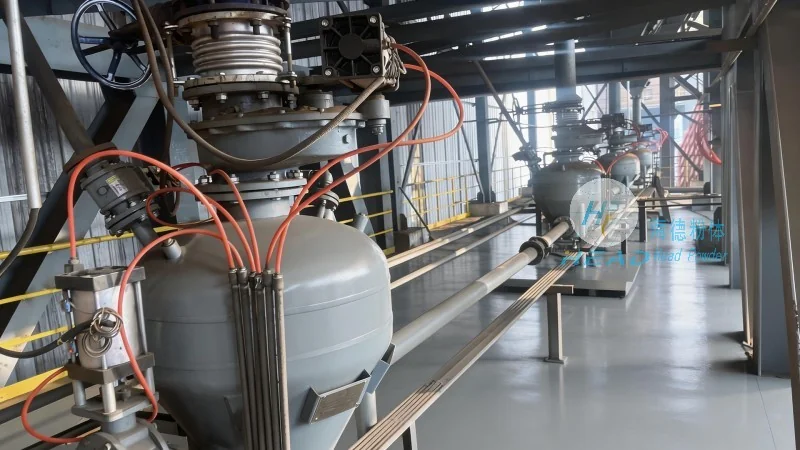
There are several advantages to using pneumatic conveying equipment in grain silos. One of the primary benefits is the ability to handle large volumes of grain with minimal labor. The system can transport grain continuously, reducing the need for manual handling and associated risks. Additionally, pneumatic systems are more hygienic and cleaner than mechanical conveyors, as they do not involve direct contact between the grain and mechanical parts. This is particularly important in food processing applications where maintaining a clean environment is critical. Another advantage is the flexibility of the system, as the conveying pipes can be easily reconfigured to change the path of the grain flow. This allows for adaptability in facility layouts and changes in operational needs.
Applications and Industries
Grain silo pneumatic conveying equipment is widely used in various industries that handle bulk materials. In the agricultural sector, it is commonly employed in grain elevators, feed mills, and grain storage facilities. The equipment is also used in the food processing industry for transporting ingredients like flour, corn, and other grains from storage to production lines. Additionally, it is utilized in the chemical and pharmaceutical industries for handling powders and granules, as the technology can be adapted to transport a wide range of materials. The versatility of the system makes it suitable for a variety of applications, from small-scale operations to large industrial facilities.
Maintenance and Safety Considerations
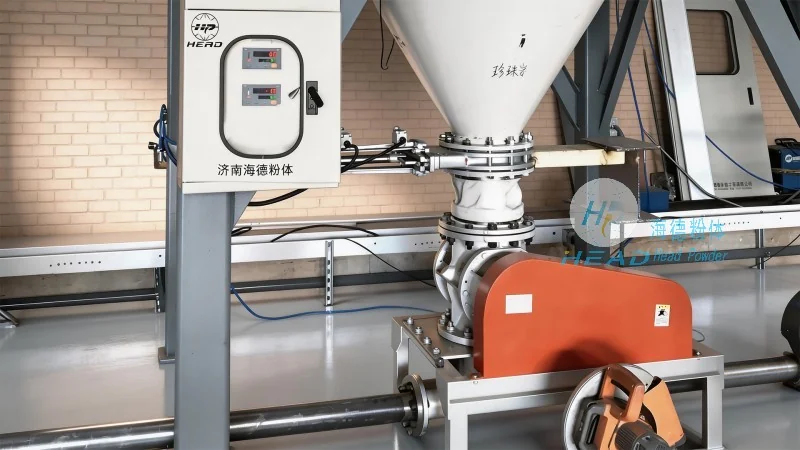
Proper maintenance and safety measures are essential for the reliable operation of grain silo pneumatic conveying equipment. Regular maintenance includes checking the air compressor for proper performance, inspecting the conveying pipes for blockages or wear, and ensuring that the control system is functioning correctly. It is also important to clean the system regularly to prevent the buildup of dust or grain particles, which can affect performance and cause blockages. Safety considerations include ensuring that the system is properly grounded to prevent electrical hazards and that all components are securely fastened to prevent accidents. Additionally, the system should be equipped with pressure relief valves to prevent over-pressurization and other safety devices to protect operators from potential hazards.
Conclusion
Grain silo pneumatic conveying equipment is a critical component in modern grain handling systems, offering efficient and reliable transport of bulk materials. The structural design and operational principles of these systems are engineered to maximize performance and durability, while providing several advantages over traditional mechanical conveyors. As a leading manufacturer, Shandong HeadPowder Engineering Co., Ltd. specializes in providing high-quality pneumatic conveying equipment tailored to the specific needs of the agricultural and food processing industries. By understanding the components and principles of these systems, users can make informed decisions about implementing or upgrading their grain handling infrastructure to improve efficiency and productivity.