

Introduction to Glass Bead Pneumatic Conveying Systems: Structure and Working Principles
Shandong HeadPowder Engineering Co., Ltd., commonly known as headpowder, is a professional manufacturer and supplier of pneumatic conveying equipment, specializing in systems designed for the efficient transport of glass beads and similar materials. With a focus on precision engineering and reliable performance, the company serves a wide range of industries requiring high-quality material handling solutions.
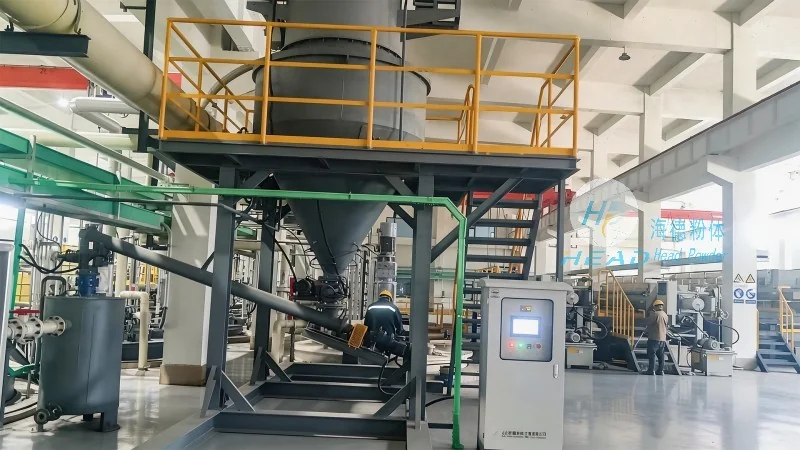
Structure of a Glass Bead Pneumatic Conveying System
A typical glass bead pneumatic conveying system consists of several key components that work in tandem to ensure smooth and efficient material transport. The main elements include the conveying pipeline, which is usually made of stainless steel or other corrosion-resistant materials to handle the abrasive nature of glass beads. The system also features a feeding device, such as a rotary valve or a hopper with a metering mechanism, which controls the flow of glass beads into the pipeline. Additionally, a separation unit, often a cyclone or a bag filter, is integrated to separate the glass beads from the air stream and prevent dust contamination. The system may also include a pressure vessel or a receiver to store the conveyed material, and a blower or a vacuum pump to generate the necessary air pressure or suction for the conveying process.
Working Principles of the Pneumatic Conveying Process
The operation of a glass bead pneumatic conveying system relies on the principles of fluid dynamics and air movement. In a typical system, glass beads are fed into the conveying pipeline through the feeding device. Simultaneously, a blower or vacuum pump generates a flow of air that travels through the pipeline at a high velocity. As the air moves, it creates a low-pressure zone that draws the glass beads into the air stream. The combination of the air flow and the material's density causes the glass beads to be carried along the pipeline to the destination point. The separation unit then captures the glass beads from the air, allowing the clean air to be discharged or recycled. This process ensures that the glass beads are transported without the need for mechanical contact, minimizing wear and tear on the equipment and maintaining the purity of the material.
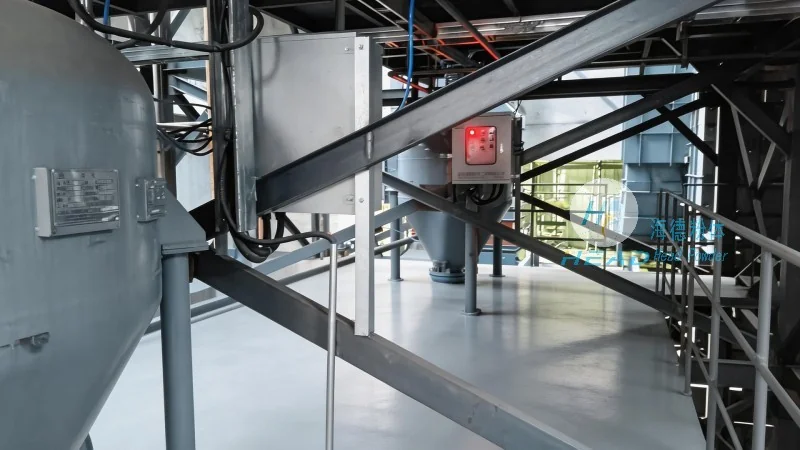
Key Features and Advantages
Glass bead pneumatic conveying systems offer several advantages over traditional mechanical conveying methods. One of the primary benefits is the ability to transport materials in a closed system, which reduces dust emissions and improves workplace safety. The system also provides flexibility in terms of layout, as the conveying pipeline can be installed in various configurations to suit the specific requirements of the facility. Additionally, the use of air as the conveying medium allows for gentle handling of the glass beads, preventing damage to the particles and maintaining their quality. The systems are also designed for high efficiency, with minimal energy consumption and low maintenance requirements, making them a cost-effective solution for long-term material handling needs.
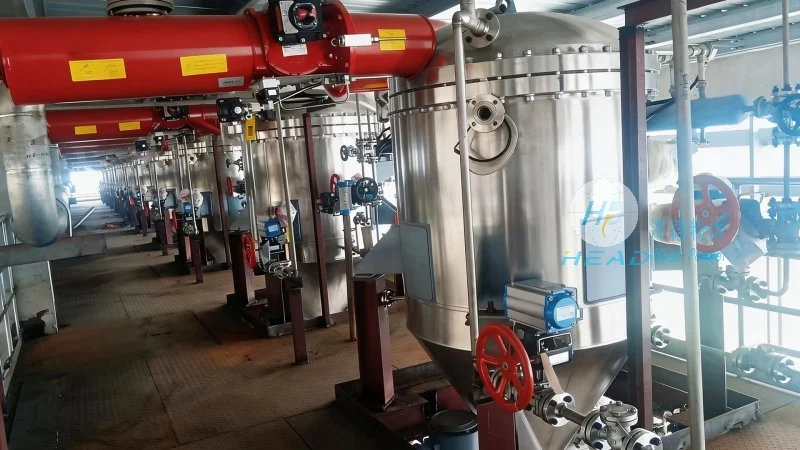
Application and Industry Use
These systems are widely used in industries where glass beads are a critical component, such as in the production of coatings, adhesives, and other industrial materials. The efficient and clean transport of glass beads is essential for maintaining product quality and ensuring consistent performance in manufacturing processes. By utilizing a pneumatic conveying system, companies can improve their operational efficiency, reduce downtime, and enhance overall productivity. The systems are also suitable for applications that require the handling of abrasive or delicate materials, providing a reliable solution for various material handling challenges.
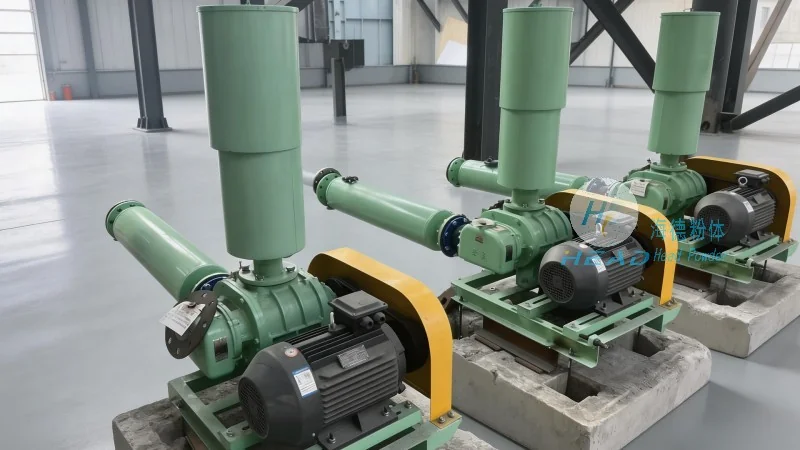
Maintenance and Operational Considerations
Proper maintenance is crucial to ensure the long-term performance and reliability of a glass bead pneumatic conveying system. Regular inspection of the conveying pipeline for any signs of wear or corrosion is necessary to prevent leaks or blockages. The feeding device and separation unit should also be checked periodically to ensure they are functioning correctly and maintaining the purity of the material. Additionally, the blower or vacuum pump should be maintained according to the manufacturer's specifications to ensure optimal air flow and pressure. By following proper maintenance procedures, users can extend the lifespan of the equipment and minimize the risk of operational issues.
Conclusion
Glass bead pneumatic conveying systems represent a sophisticated and efficient solution for the transport of glass beads and similar materials. With their closed system design, gentle handling capabilities, and high efficiency, these systems offer significant advantages over traditional mechanical conveying methods. As a leading manufacturer, Shandong HeadPowder Engineering Co., Ltd. provides high-quality pneumatic conveying equipment tailored to meet the specific needs of various industries, ensuring reliable and cost-effective material handling solutions for its clients.