

Introduction to Potassium Hydroxide Pneumatic Conveying System: Overview of Structure and Working Pr
For industrial applications involving the transport of potassium hydroxide (KOH), efficient and reliable material handling systems are crucial. The potassium hydroxide pneumatic conveying system, developed by Shandong HeadPowder Engineering Co., Ltd. (hereinafter referred to as HeadPowder), offers a sophisticated solution that ensures safe, low-loss, and continuous material transfer. This article provides an overview of the system's structure and operational principles, highlighting its key components and design considerations.
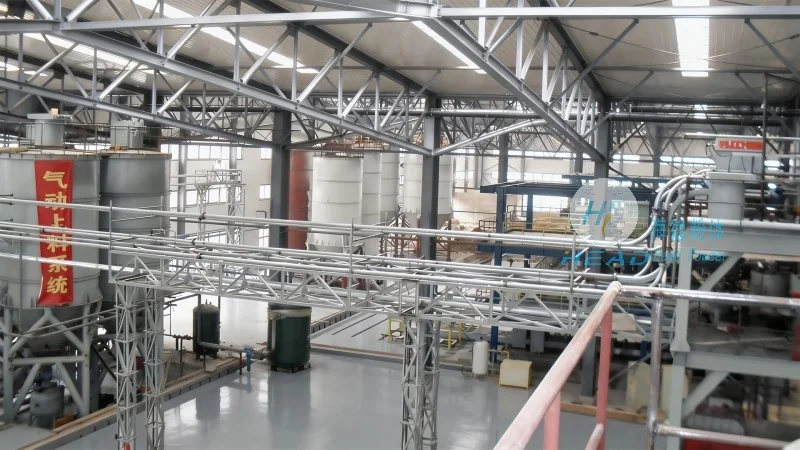
System Overview
The potassium hydroxide pneumatic conveying system is engineered to handle the unique properties of KOH, such as its hygroscopic nature and potential reactivity with certain materials. HeadPowder's design focuses on minimizing material degradation and ensuring compliance with industrial safety standards. The system is typically integrated into production lines where KOH is produced, stored, or processed, facilitating seamless material movement between different stages of the operation.
Structural Design
The structural design of the pneumatic conveying system is modular and adaptable, allowing for customization based on specific plant requirements. The system consists of several interconnected components, including a feeding unit, a conveying pipeline network, a gas source, and a separation and discharge unit. The feeding unit is designed to handle bulk KOH from storage silos or production reactors, ensuring consistent material flow into the pipeline. The pipeline network is constructed from corrosion-resistant materials, such as stainless steel or specialized polymers, to withstand the chemical properties of KOH and prevent contamination.
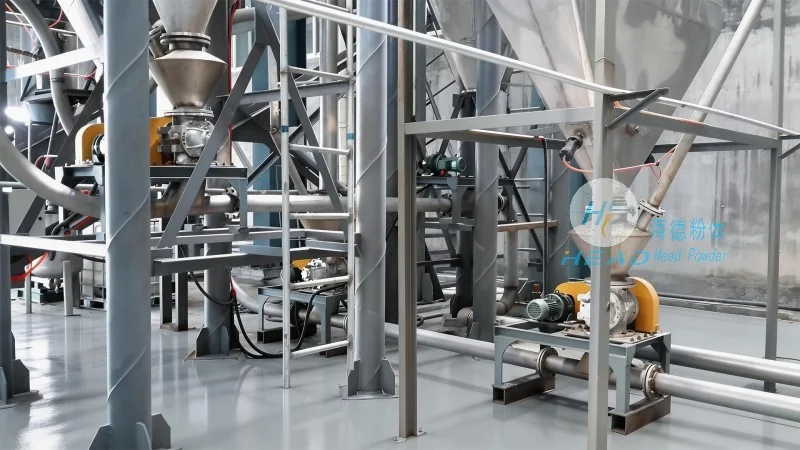
Working Principle
The core operational principle of the pneumatic conveying system is the use of compressed air to transport solid materials through a pipeline. In the case of the potassium hydroxide system, a positive pressure or negative pressure (suction) method is employed, depending on the application. The system operates by introducing compressed air into the pipeline, which creates a flow that entrains the KOH particles. The air velocity is carefully controlled to ensure that the particles are carried without excessive abrasion or degradation. The conveying process is continuous, allowing for real-time monitoring and adjustment of flow rates to maintain optimal performance.
Key Components and Their Functions
Several critical components contribute to the efficient operation of the potassium hydroxide pneumatic conveying system. The feeding unit, often equipped with a rotary valve or screw feeder, ensures that KOH is introduced into the pipeline at a controlled rate. The conveying pipeline, with its appropriate diameter and slope, facilitates the movement of the material and air mixture. The gas source, typically an air compressor or blower, provides the necessary pressure to drive the conveying process. The separation and discharge unit, including a cyclone separator or filter, separates the KOH particles from the air stream, allowing for the material to be deposited at the destination point while the air is either recycled or vented.
Advantages of the Pneumatic Conveying System
Implementing a pneumatic conveying system for potassium hydroxide offers several advantages over traditional methods, such as belt conveyors or manual handling. The system provides a closed-loop operation, reducing exposure to dust and minimizing environmental impact. It also eliminates the need for multiple transfer points, streamlining the production process and improving overall efficiency. Additionally, the system's ability to handle varying material flow rates and its low maintenance requirements make it a cost-effective solution for industrial applications.
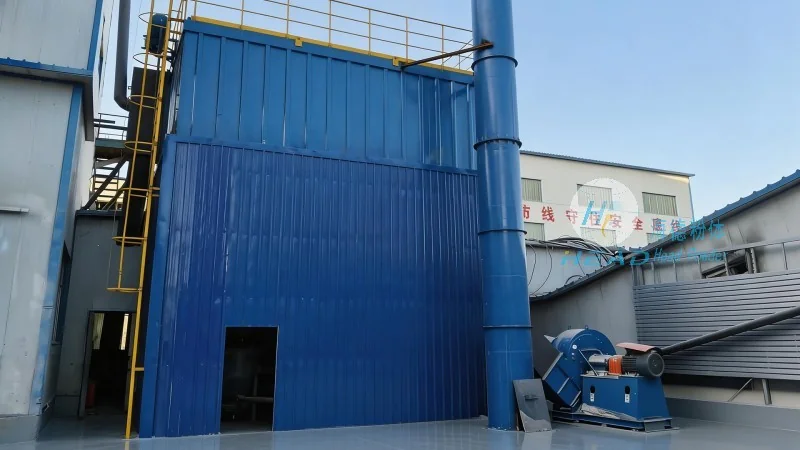
Application Scenarios
The potassium hydroxide pneumatic conveying system is widely used in various industrial sectors, including chemical manufacturing, pharmaceuticals, and food processing. In chemical plants, it is employed to transport KOH from reactors to storage tanks or processing units. In pharmaceutical facilities, the system ensures that KOH is handled in a sterile and controlled environment, meeting regulatory requirements. The system's adaptability also makes it suitable for small-scale and large-scale operations, providing flexibility to meet the diverse needs of different industries.
Conclusion
Shandong HeadPowder Engineering Co., Ltd. has developed a robust and efficient potassium hydroxide pneumatic conveying system that addresses the specific challenges of handling this caustic material. The system's structural design and operational principles ensure reliable performance, while its modular components allow for customization and scalability. By leveraging this technology, industries can enhance their material handling processes, improve safety, and reduce operational costs. As a leading provider of engineering solutions, HeadPowder continues to innovate in the field of pneumatic conveying, offering advanced systems that meet the evolving needs of modern industrial applications.