

Introduction to Limestone Powder Pneumatic Conveying Systems: Structure and Working Principles
HeadPowder, a leading provider in the field of material handling solutions, specializes in the design, manufacturing, and installation of advanced pneumatic conveying systems. This article provides a comprehensive overview of limestone powder pneumatic conveying lines, focusing on their structural components and operational principles. The company, Shandong HeadPowder Engineering Co., Ltd., is headquartered in Shandong, China, and has established itself as a trusted partner for industries requiring efficient and reliable material transport solutions.
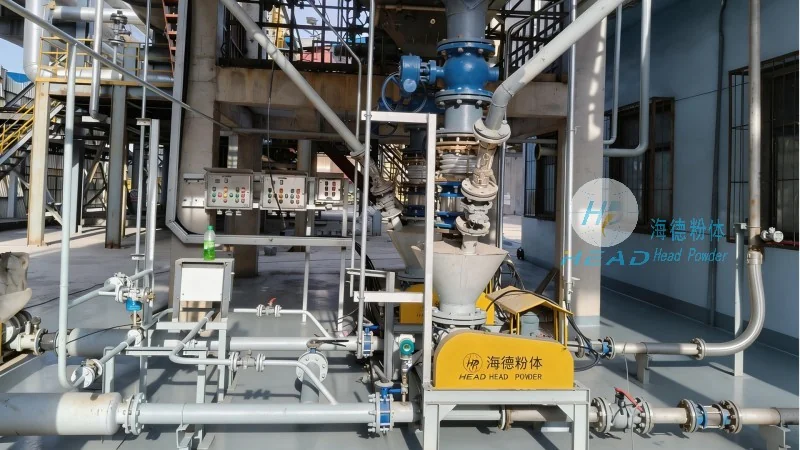
Key Components of Limestone Powder Pneumatic Conveying Systems
The core of a limestone powder pneumatic conveying system consists of several critical components that work in tandem to ensure smooth and efficient material transport. These components are meticulously engineered to handle the unique properties of limestone powder, such as its fine particle size and potential for dust generation. The primary elements include the material feed hopper, which serves as the initial storage and feeding unit, ensuring a consistent flow of limestone powder into the system. The feed hopper is equipped with a rotary valve or a feeder that controls the discharge rate, preventing blockages and maintaining a steady supply of material.
Next in the system is the conveying pipeline, which is typically made of stainless steel or other corrosion-resistant materials to withstand the abrasive nature of limestone powder. The pipeline is designed with appropriate bends and elbows to accommodate the required route from the feed point to the discharge point. The selection of pipeline diameter and material is crucial for maintaining the desired air velocity and minimizing pressure losses. Additionally, the system incorporates a series of filters and cyclones to separate the limestone powder from the conveying air, ensuring that the material is delivered to its destination without contamination and that the air is cleaned before being discharged or recirculated.
Working Principles of Pneumatic Conveying for Limestone Powder
The operation of a limestone powder pneumatic conveying system is based on the principle of air movement to transport solid particles. There are two main types of pneumatic conveying systems: dilute phase and dense phase. For limestone powder, dilute phase systems are commonly used due to their efficiency and lower energy consumption. In a dilute phase system, the limestone powder is suspended in a high-velocity air stream within the pipeline. The air velocity is maintained above the minimum fluidization velocity of the powder, ensuring that the particles remain airborne and are transported to the discharge point.
The system starts with the material being fed into the hopper, where it is then discharged into the conveying pipeline through a feeder. Compressed air, usually supplied by a blower or a positive displacement compressor, is introduced into the pipeline at the feed end. The air velocity created by the compressor lifts the limestone powder particles and carries them through the pipeline. The air and powder mixture travels through the pipeline, passing through bends and other components, until it reaches the discharge point. At the discharge end, the mixture enters a separator, such as a cyclone or a filter, where the air is separated from the powder. The separated limestone powder is collected in a receiving hopper, while the clean air is either discharged to the atmosphere or recirculated back into the system to improve efficiency.
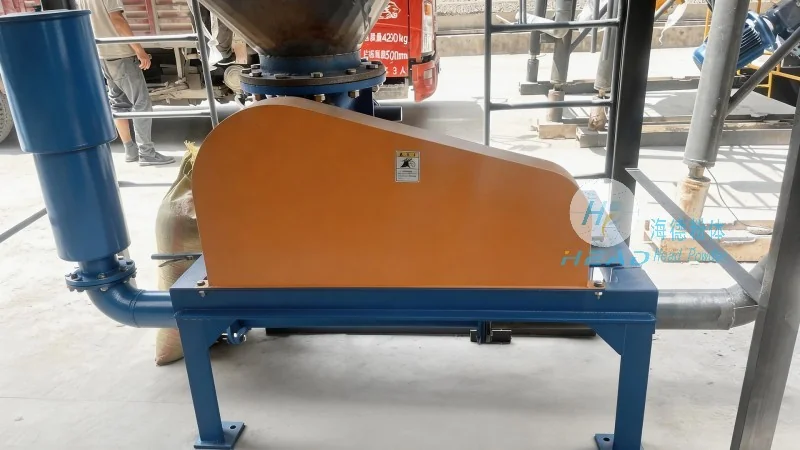
Advantages of Limestone Powder Pneumatic Conveying Systems
Implementing a pneumatic conveying system for limestone powder offers numerous advantages over traditional methods like belt conveyors or bucket elevators. One of the most significant benefits is the ability to transport material in a closed system, which minimizes dust emissions and improves workplace safety. This is particularly important for limestone powder, which can be a respiratory hazard if inhaled. The closed system also prevents material contamination from external sources, ensuring that the limestone powder remains clean and free from impurities.
Another key advantage is the flexibility in system layout. Pneumatic conveying systems can be installed in various configurations, including horizontal, vertical, or a combination of both, to suit the specific layout of a facility. This flexibility allows for the integration of the system into existing production lines without the need for extensive structural modifications. Additionally, the system can handle both short and long distances, making it suitable for applications ranging from small-scale processing plants to large industrial facilities.
Applications and Industries Benefiting from Limestone Powder Conveying
Limestone powder pneumatic conveying systems are widely used in various industries that require the efficient transport of limestone powder. These include the cement industry, where limestone is a primary raw material for cement production. The systems are also utilized in the chemical industry for processing limestone in the production of calcium carbonate and other chemical products. Additionally, the food and pharmaceutical industries benefit from these systems when handling limestone powder as a filler or an ingredient in various products.
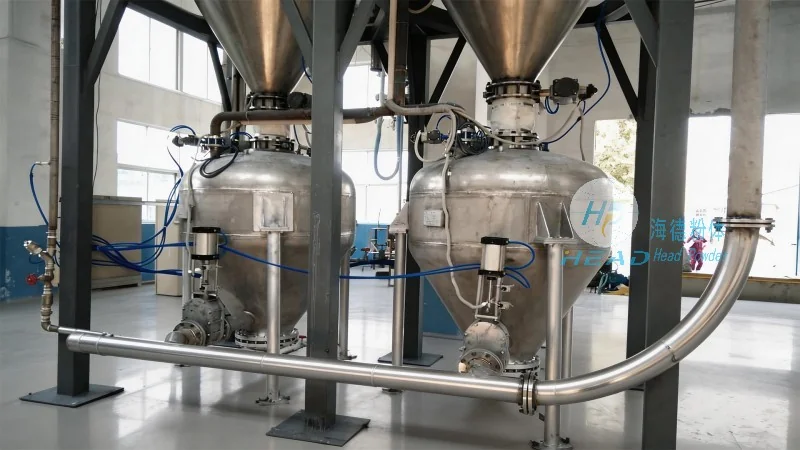
In the mining and quarrying sector, pneumatic conveying systems are employed to transport limestone from storage silos to processing equipment, such as crushers and grinding mills. The systems help in maintaining a consistent supply of limestone to the processing units, ensuring smooth operation and reducing downtime. Furthermore, the systems are used in the construction industry for transporting limestone powder to construction sites for use in concrete and other building materials.
Maintenance and Operational Considerations for Pneumatic Conveying Systems
To ensure the long-term efficiency and reliability of a limestone powder pneumatic conveying system, proper maintenance and operational practices are essential. Regular maintenance includes checking the condition of the conveying pipeline for any signs of wear or corrosion, inspecting the filters and cyclones for clogging or damage, and verifying the performance of the feeder and rotary valve. The air compressor and blower should also be checked regularly to ensure they are operating within their optimal parameters.
Operational considerations include maintaining the correct air pressure and velocity to prevent material buildup or blockages in the pipeline. The system should be started and stopped in a controlled manner to avoid sudden pressure changes that could damage components. Additionally, the system should be equipped with safety features such as pressure relief valves and dust collection systems to prevent accidents and ensure compliance with safety regulations.
Conclusion
HeadPowder, with its expertise in material handling solutions, provides high-quality limestone powder pneumatic conveying systems that are designed to meet the specific needs of various industries. The systems are built with robust components and advanced technology to ensure efficient, safe, and reliable transport of limestone powder. By understanding the structural components and working principles of these systems, industries can make informed decisions about implementing pneumatic conveying as a solution for their material transport requirements. Shandong HeadPowder Engineering Co., Ltd., based in Shandong, China, continues to innovate and provide tailored solutions to enhance the productivity and safety of material handling processes.