

Introduction to Chloroprene Rubber Pneumatic Conveying Systems: Structure and Working Principles
Chloroprene rubber, also known as neoprene, is a synthetic polymer widely used in industrial applications due to its excellent resistance to oil, chemicals, and weathering. Pneumatic conveying systems for chloroprene rubber are engineered to efficiently transport this material from one location to another within industrial facilities. These systems are critical for maintaining production efficiency and ensuring material integrity during handling. The systems are designed and manufactured by Shandong HeadPowder Engineering Co., Ltd., a leading company in the field of material handling solutions, with a focus on providing reliable and efficient equipment for rubber processing industries. HeadPowder, as the company is commonly known, is based in Shandong, China, and has established itself as a trusted provider of pneumatic conveying systems tailored to the specific needs of the rubber industry.
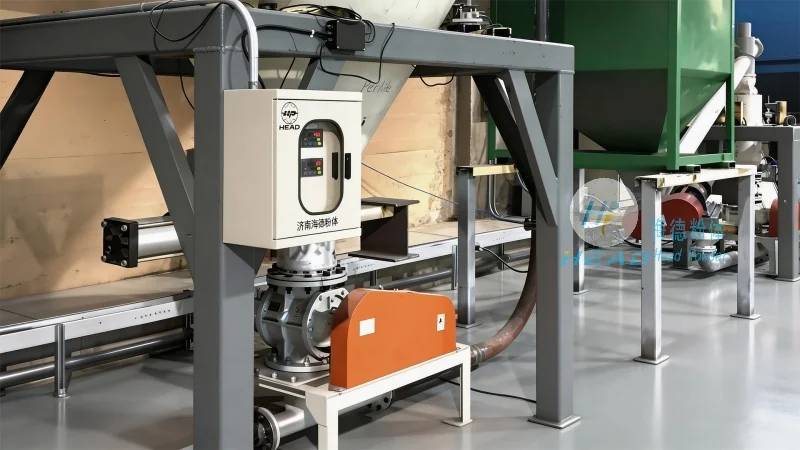
Key Components and Structure of the Pneumatic Conveying System
The pneumatic conveying system for chloroprene rubber typically consists of several key components that work in tandem to achieve effective material transport. The primary components include a material hopper or feeder, a conveying line (often made of stainless steel or other corrosion-resistant materials), a pressure or vacuum source (such as a blower or vacuum pump), and a receiver or discharge unit. The system may also incorporate accessories like rotary airlocks, cyclone separators, and dust collectors to ensure smooth operation and prevent material loss or contamination. The conveying line is usually constructed from materials that can withstand the corrosive properties of chloroprene rubber, such as stainless steel or special coatings, to prevent degradation and ensure long-term durability. The hopper and feeder are designed to handle the bulk material and feed it into the conveying line at a controlled rate, preventing overloading and ensuring consistent flow.
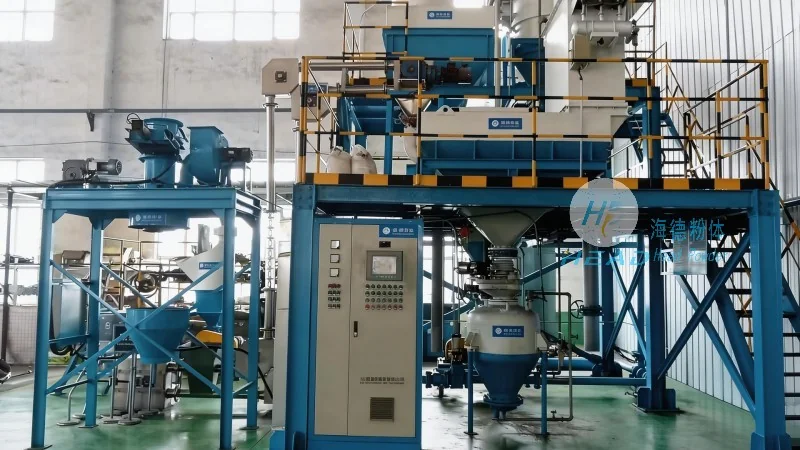
Working Principle of the Pneumatic Conveying Process
The operation of a chloroprene rubber pneumatic conveying system is based on the principle of transporting material in a gas-solid flow. The process begins with the material being fed from the hopper into the conveying line. A pressure source (like a positive displacement blower) or a vacuum source (like a vacuum pump) creates the necessary airflow to move the rubber particles through the pipeline. As the material travels, it is suspended in the air stream and propelled to the discharge point. The receiver then collects the material, and the system may include a rotary airlock to prevent backflow and maintain pressure balance. Cyclone separators are often used to separate the rubber particles from the air, ensuring that the material is properly discharged and the air is filtered before release. The pressure or vacuum level in the system is carefully controlled to optimize the conveying speed and minimize energy consumption. The system's design ensures that the material is handled gently, preserving its properties and preventing degradation during transport.
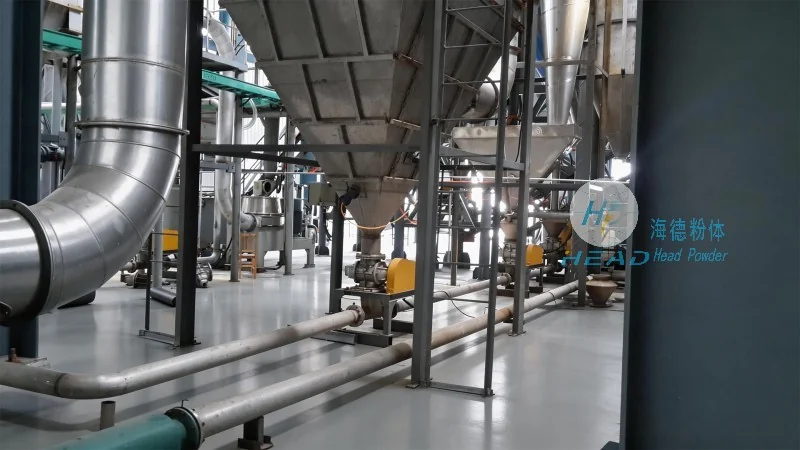
Advantages of Using Pneumatic Conveying for Chloroprene Rubber
Employing a pneumatic conveying system for chloroprene rubber offers several advantages over traditional methods like belt conveyors or bucket elevators. One of the main benefits is the ability to handle the material in a closed system, which minimizes dust exposure and reduces the risk of contamination. This is particularly important for chloroprene rubber, which can be sensitive to environmental factors. The closed system also helps in maintaining a clean working environment, which is crucial for quality control in rubber processing industries. Additionally, pneumatic conveying systems can handle a wide range of material sizes and flow rates, making them versatile for different production needs. The systems can be designed to operate at various pressures, allowing for both low and high-speed transport, depending on the specific requirements of the application. Another advantage is the reduced need for manual handling, which enhances workplace safety and improves operational efficiency. The system's ability to transport material over longer distances without the need for intermediate storage points also contributes to streamlined production processes.
Application Scenarios in Industrial Settings
Chloroprene rubber pneumatic conveying systems are commonly used in various industrial settings where the material needs to be transported efficiently and safely. For example, in tire manufacturing plants, these systems are used to transport raw chloroprene rubber from storage silos to processing machines. The systems ensure that the material is delivered to the mixing and vulcanization stages without any loss or contamination, maintaining the quality of the final product. In chemical processing facilities, they help in moving the rubber material between different processing stages, such as mixing, vulcanization, and finishing. The systems are also utilized in recycling operations, where used chloroprene rubber is conveyed from collection points to reprocessing units. In each of these applications, the system ensures that the material is handled gently, preserving its properties and preventing degradation. The reliability of the pneumatic conveying system is critical in these settings, as any downtime can lead to significant production losses. HeadPowder's systems are known for their durability and low maintenance requirements, making them a preferred choice for industrial applications.
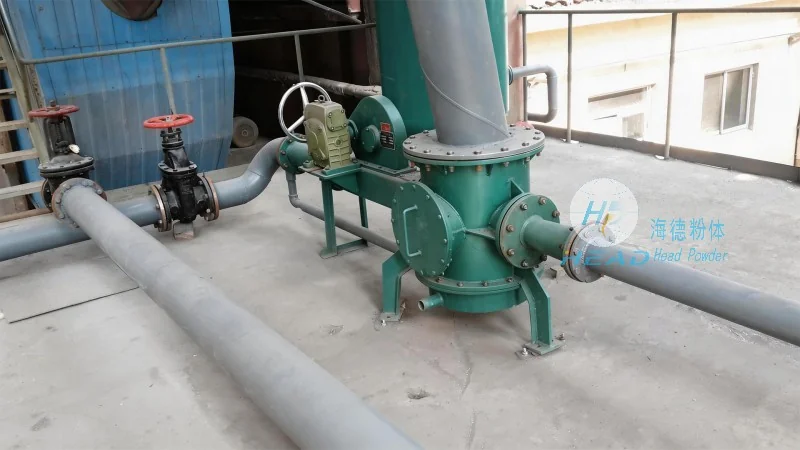
Maintenance and Operational Considerations
Proper maintenance is essential to ensure the longevity and efficiency of a chloroprene rubber pneumatic conveying system. Regular checks of the conveying line for blockages or wear are necessary to prevent system failures. The rotary airlocks and cyclone separators should be inspected periodically to ensure they are functioning correctly and not clogging with material. The pressure source, whether a blower or vacuum pump, should be maintained to operate within its specified parameters to avoid damage. Additionally, the system should be cleaned regularly to remove any accumulated rubber particles, which can affect performance over time. Proper training of operators on the system's operation and maintenance is also crucial for safe and efficient use. By following these maintenance practices, the system can operate reliably, minimizing downtime and ensuring consistent material transport. The company's technical support team provides guidance on maintenance schedules and troubleshooting, helping customers to keep their systems in optimal condition. This support is particularly valuable for customers who may not have extensive experience with pneumatic conveying systems.