

Introduction to Rubber Granule Pneumatic Conveying Systems: Structure and Working Principles
For industrial applications involving the transport of rubber granules, pneumatic conveying systems offer an efficient and reliable solution. This article provides an overview of rubber granule pneumatic conveying lines, focusing on their structural components and operational principles. The system is designed to handle rubber granules with precision, ensuring minimal product degradation and optimal performance in various industrial settings.
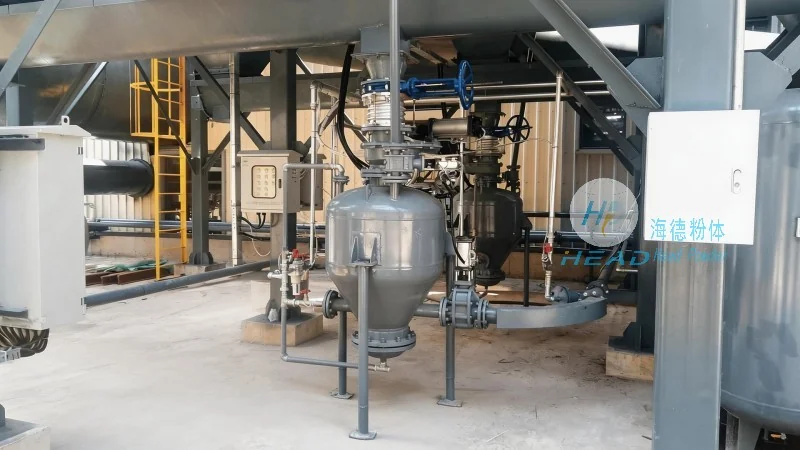
Overview of Rubber Granule Pneumatic Conveying Systems
Rubber granule pneumatic conveying systems are engineered to transport rubber granules from a source to a destination through a pressurized or vacuum air stream. These systems are widely used in the rubber industry due to their ability to handle abrasive materials while maintaining high efficiency. The primary goal is to provide a clean, low-maintenance, and cost-effective method for material handling, which is crucial for maintaining product quality and operational productivity.
Key Structural Components of the Conveying Line
The rubber granule pneumatic conveying line consists of several critical components that work in tandem to ensure smooth operation. These components include the hopper, which stores the rubber granules; the feeder, responsible for controlling the flow rate of the material; the conveying pipe, which transports the material through the system; the air compressor or vacuum pump, which generates the necessary air pressure or vacuum; and the receiver, where the material is deposited. Each component plays a vital role in the overall functionality of the system, and their proper integration is essential for optimal performance.
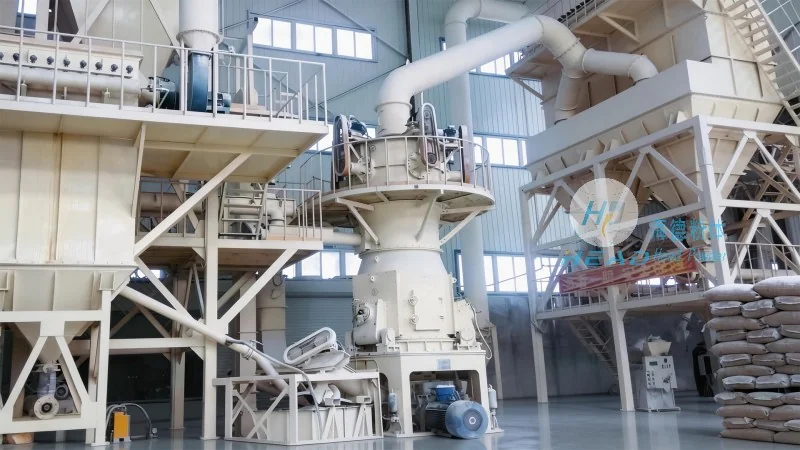
Working Principles of the Pneumatic Conveying Process
The operation of a rubber granule pneumatic conveying system involves several stages. Initially, rubber granules are fed from the hopper into the conveying pipe via the feeder. Simultaneously, the air compressor or vacuum pump generates a flow of air that moves through the pipe. In a pressurized system, the air pushes the rubber granules forward, while in a vacuum system, the air pulls the material toward the receiver. The air velocity is carefully controlled to ensure that the rubber granules are conveyed without excessive wear or breakage. The system also includes filters and cyclones to separate the air from the rubber granules, ensuring that the material is delivered to the receiver in a clean and dry state.
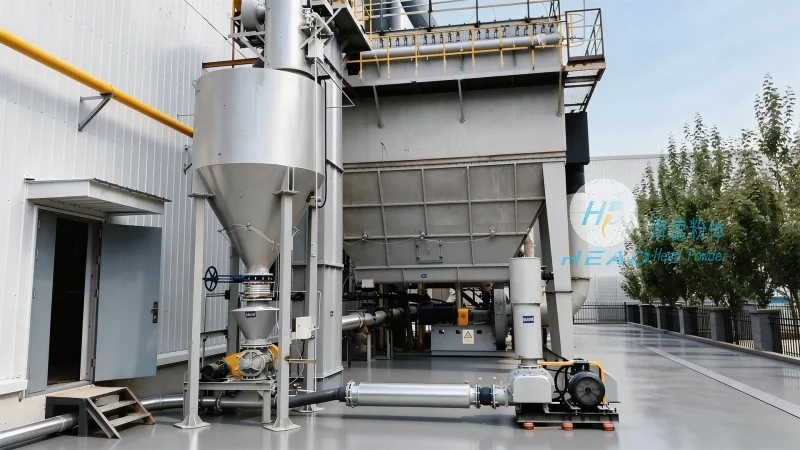
Advantages of Using Pneumatic Conveying for Rubber Granules
There are several advantages to employing pneumatic conveying systems for rubber granule transport. Firstly, the system is highly efficient, as it can transport materials over long distances with minimal energy consumption. Secondly, it offers a hygienic and clean method of material handling, which is particularly important in food and pharmaceutical industries, though rubber granules are typically used in other sectors. Thirdly, the system is flexible and can be easily integrated into existing production lines. Additionally, it reduces the need for manual handling, thereby improving workplace safety and reducing labor costs. The low maintenance requirements and long service life of the components also contribute to the overall cost-effectiveness of the system.
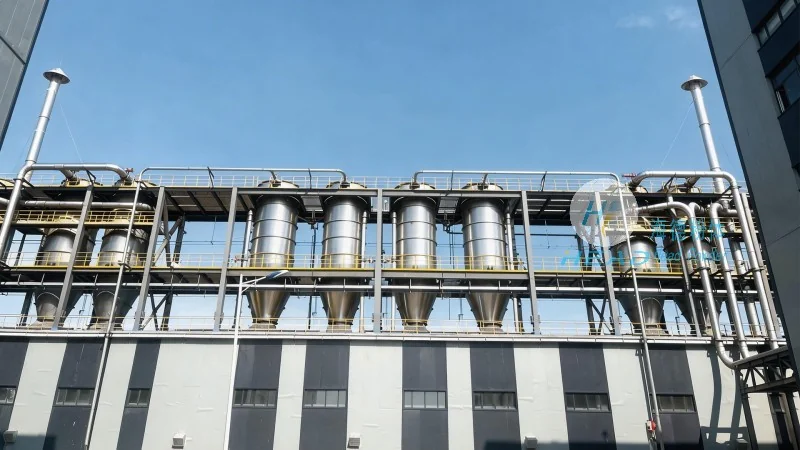
Application Examples in the Rubber Industry
Rubber granule pneumatic conveying systems are commonly used in various applications within the rubber industry. For instance, in tire manufacturing, these systems are used to transport rubber granules from storage to the mixing and compounding stages. In the production of rubber flooring and mats, the system efficiently moves granules to the molding equipment. Similarly, in the manufacturing of rubber seals and gaskets, the pneumatic conveying line ensures consistent and high-quality material delivery. These applications highlight the versatility and reliability of the system in different industrial processes.
Conclusion and Company Information
In conclusion, rubber granule pneumatic conveying systems are a sophisticated and efficient solution for material handling in the rubber industry. The combination of proper structural design and operational principles ensures that rubber granules are transported with minimal loss and maximum quality. As a leading provider in this field, Shandong HeadPowder Engineering Co., Ltd. specializes in designing and manufacturing customized pneumatic conveying systems tailored to the specific needs of industrial clients. With a focus on durability, efficiency, and reliability, the company ensures that its systems meet the highest standards of performance and safety. Based in Shandong, China, HeadPowder continues to innovate and provide cutting-edge solutions for the efficient transport of rubber granules, supporting the growth and productivity of its clients in the global market.