

Introduction to and Structural Principles of Ceramic Sand Pneumatic Conveying Systems
Ceramic sand pneumatic conveying systems are advanced industrial equipment designed for the efficient transportation of ceramic sand and similar bulk materials. These systems utilize air as the conveying medium to move materials from one location to another, offering a flexible and reliable solution for various industrial applications. The technology behind these systems combines principles of fluidization, air dynamics, and mechanical engineering to ensure optimal performance and material handling capabilities.
Structural Components and Working Principles
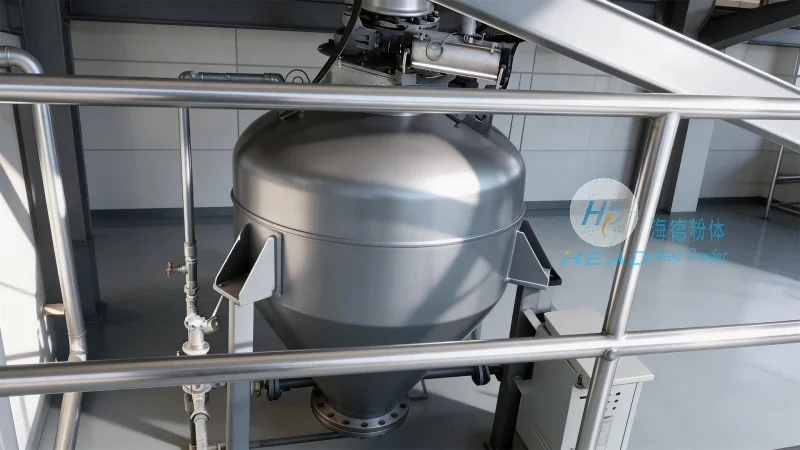
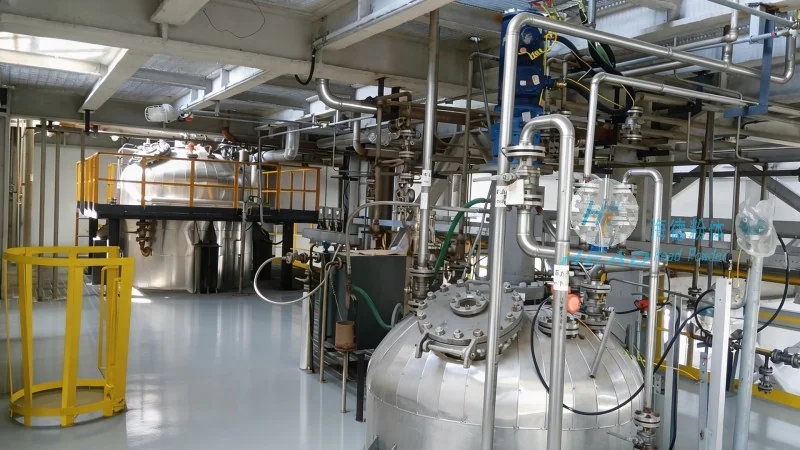
The core components of a ceramic sand pneumatic conveying system typically include a material hopper, a feeder, a conveying line (often with multiple segments), a dust collector, and a control system. The process begins with the material being fed from the hopper into the feeder, which regulates the flow rate to maintain consistent air pressure and material velocity. As the material enters the conveying line, it is suspended in a stream of air, creating a fluidized state that allows for smooth transport. The conveying line may consist of straight sections, bends, and expansion or contraction zones, each designed to minimize pressure loss and prevent material deposition. At the receiving end, a dust collector separates the air from the material, ensuring that the final product is clean and free from contaminants. The control system monitors key parameters such as pressure, flow rate, and temperature, adjusting the operation in real-time to optimize performance and prevent system failures.
Advantages of Using Ceramic Sand Pneumatic Conveying Systems
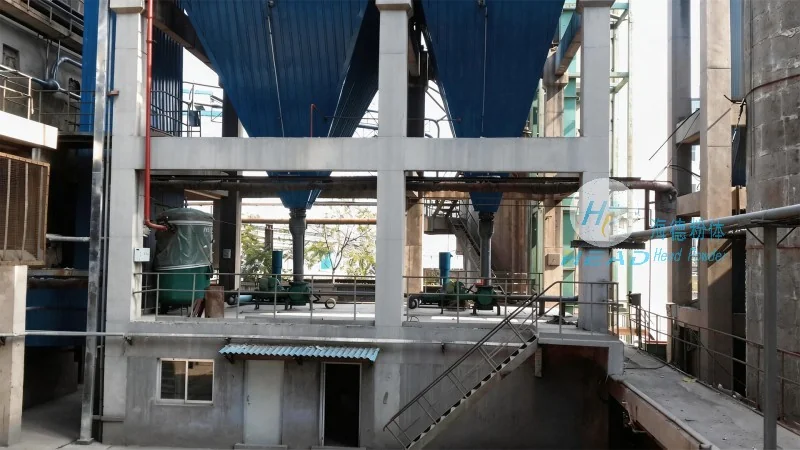
Compared to traditional mechanical conveying methods, ceramic sand pneumatic conveying systems offer several advantages. Firstly, they eliminate the need for mechanical components like belts, chains, or screws, reducing maintenance costs and increasing system reliability. Secondly, the air-based transport minimizes material degradation and contamination, which is critical for high-value ceramic products. Thirdly, these systems can handle a wide range of particle sizes and shapes, making them versatile for different production processes. Additionally, the ability to transport materials over long distances without the need for intermediate storage or transfer points enhances operational efficiency. The flexibility of pneumatic conveying also allows for easy integration with existing production lines, reducing downtime during installation and operation.
About Shandong HeadPowder Engineering Co., Ltd.
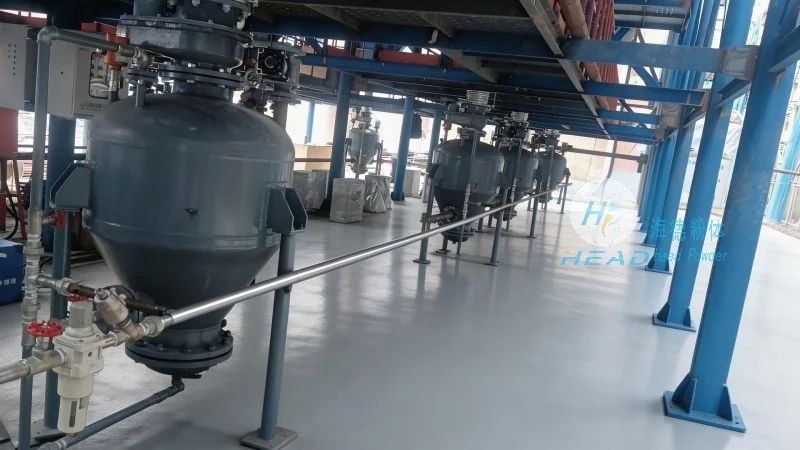
Shandong HeadPowder Engineering Co., Ltd., commonly known as headpowder, is a leading manufacturer and supplier of industrial conveying equipment. With its headquarters located in Shandong, China, the company specializes in designing, manufacturing, and installing pneumatic conveying systems tailored to the specific needs of various industries, including ceramics, chemicals, food processing, and pharmaceuticals. HeadPowder's team of experienced engineers and technicians leverages advanced technology and rigorous quality control processes to ensure that each system meets the highest standards of performance, durability, and safety. The company's commitment to innovation and customer satisfaction has established it as a trusted partner in the global market, providing reliable solutions for material handling challenges.