

Operation Process and Working Principle of Dry Yeast Pneumatic Conveying Lines
HeadPowder, a leading engineering company based in Shandong, China, specializes in the design, manufacturing, and installation of advanced pneumatic conveying systems for various industrial applications. Among their portfolio is the dry yeast pneumatic conveying line, a sophisticated solution tailored for efficient handling and transportation of dry yeast in food processing and related industries. This article provides a detailed overview of the operation process and working principles of such a system, highlighting its key components, operational workflow, and technical advantages.
Key Components of a Dry Yeast Pneumatic Conveying Line
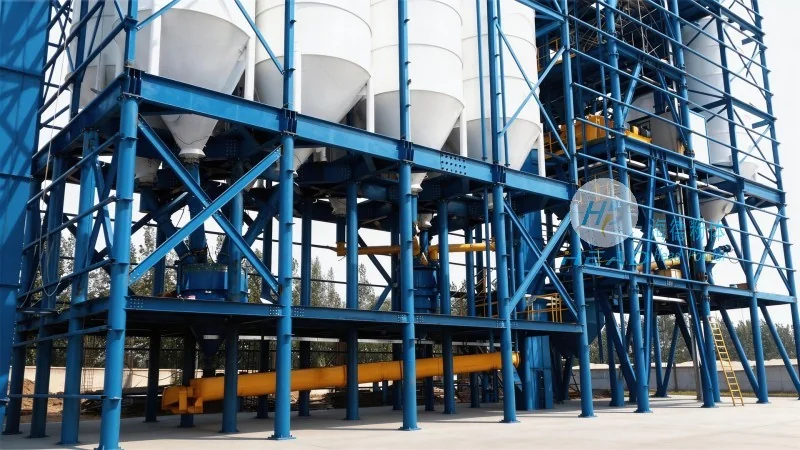
The dry yeast pneumatic conveying line consists of several critical components that work in harmony to ensure reliable and efficient material transport. The primary elements include a hopper for material storage, a feeder to control the flow rate, a conveying pipeline system, a pressure vessel or receiver for material collection, and a dust collection system. Each component plays a vital role in maintaining the integrity of the dry yeast and ensuring smooth operation. The hopper is designed with a sloped bottom to facilitate material discharge, while the feeder, often a rotary valve or a star feeder, regulates the amount of yeast entering the pipeline. The conveying pipeline, typically made of stainless steel or other corrosion-resistant materials, is equipped with bends and elbows to guide the material through the system. The pressure vessel or receiver collects the conveyed yeast and may include a filter or separator to remove any fine particles or dust. Finally, the dust collection system, such as a cyclone or baghouse, captures any airborne particles, ensuring compliance with environmental regulations and maintaining a clean working environment.
Operation Process of the Dry Yeast Pneumatic Conveying Line
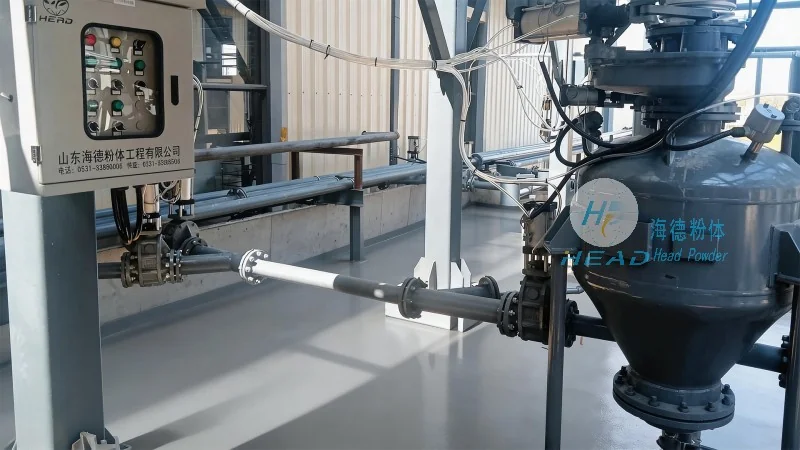
The operation of a dry yeast pneumatic conveying line involves a series of steps that ensure the continuous and efficient movement of dry yeast from the storage hopper to the final destination, such as a silo or processing unit. The process begins with the loading of dry yeast into the storage hopper. The feeder then starts to rotate, controlling the flow rate of the yeast into the conveying pipeline. Simultaneously, a blower or compressor generates the necessary air pressure to create a flow within the pipeline. The compressed air, mixed with the dry yeast, creates a slurry-like mixture that propels the material through the pipeline. As the mixture travels through the bends and elbows, the air and yeast separate at the receiver or pressure vessel. The yeast settles at the bottom of the vessel, while the air is either recirculated or vented to the atmosphere. The receiver may include a filter to remove any remaining fine particles from the air before it is discharged. The collected yeast is then discharged from the receiver into the processing equipment or storage silo. The entire process is automated, with sensors and control systems monitoring the flow rate, pressure, and material level to ensure optimal performance and prevent any blockages or system failures.
Working Principles of the Pneumatic Conveying System
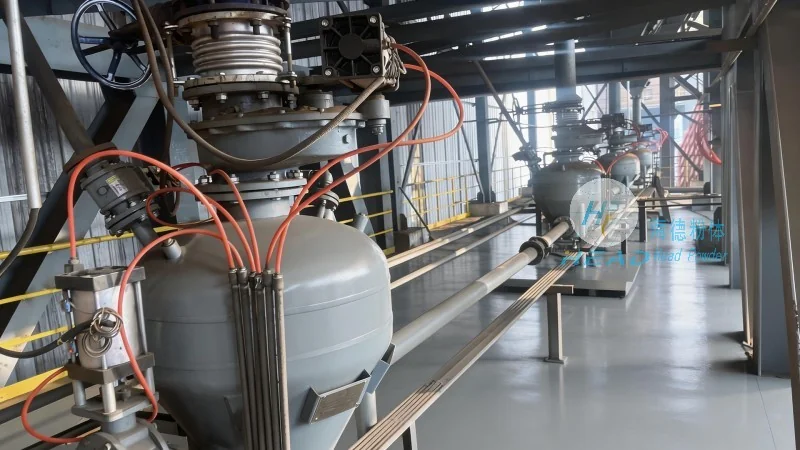
The working principle of a dry yeast pneumatic conveying line is based on the use of compressed air to transport dry materials through a pipeline. This method, known as pneumatic conveying, utilizes the principle of fluidization and drag flow to move the material. In the case of dry yeast, the system operates under positive pressure, where the compressed air is introduced into the conveying pipeline, creating a pressure differential that propels the yeast particles forward. The air flow creates a drag force on the yeast particles, lifting them off the pipeline walls and moving them along the pipeline. The velocity of the air and the size of the yeast particles determine the efficiency of the conveying process. Proper design of the pipeline diameter, bends, and the air velocity is crucial to prevent material deposition or blockages. The system also incorporates features such as air locks and check valves to prevent backflow and ensure unidirectional movement of the material. The pressure vessel or receiver plays a critical role in separating the air and material, allowing the yeast to be collected while the air is filtered and discharged. This separation process is essential to maintain the quality of the dry yeast and prevent contamination from airborne particles.
Technical Advantages of Dry Yeast Pneumatic Conveying Lines
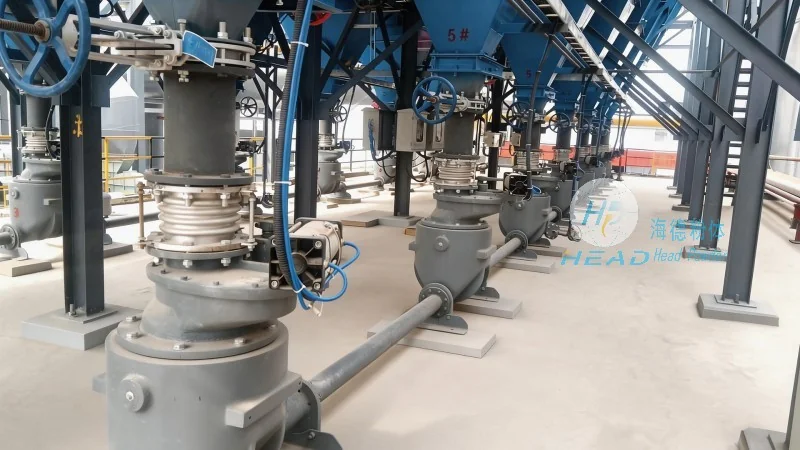
HeadPowder's dry yeast pneumatic conveying lines offer several technical advantages that make them ideal for industrial applications. Firstly, the system provides a dust-free and hygienic environment, which is crucial for food processing industries where contamination must be minimized. The enclosed pipeline system prevents the yeast from coming into contact with external contaminants, ensuring product quality and safety. Secondly, the system offers high efficiency in material handling, with the ability to transport large quantities of dry yeast over long distances with minimal energy consumption. The positive pressure operation reduces the risk of material degradation or caking, which can occur with traditional bulk handling methods. Thirdly, the system is highly flexible and can be customized to meet specific operational requirements. The components, such as the feeder and receiver, can be adjusted to handle different flow rates and material characteristics. Additionally, the automated control systems ensure consistent performance and reduce the need for manual intervention, improving operational efficiency and reducing labor costs. Finally, the system is easy to maintain and service, with modular components that can be replaced or repaired without disrupting the entire operation. This reduces downtime and maintenance costs, making it a cost-effective solution for long-term use.