

Operation Process and Working Principle of Solid Sodium Hydroxide Pneumatic Conveying Systems
For industrial applications involving the handling of solid sodium hydroxide, efficient and reliable material transport is crucial. Pneumatic conveying systems offer a sophisticated solution that integrates seamlessly into production workflows. This article delves into the operation process and working principle of solid sodium hydroxide pneumatic conveying lines, highlighting the technical aspects and operational efficiency of such systems.
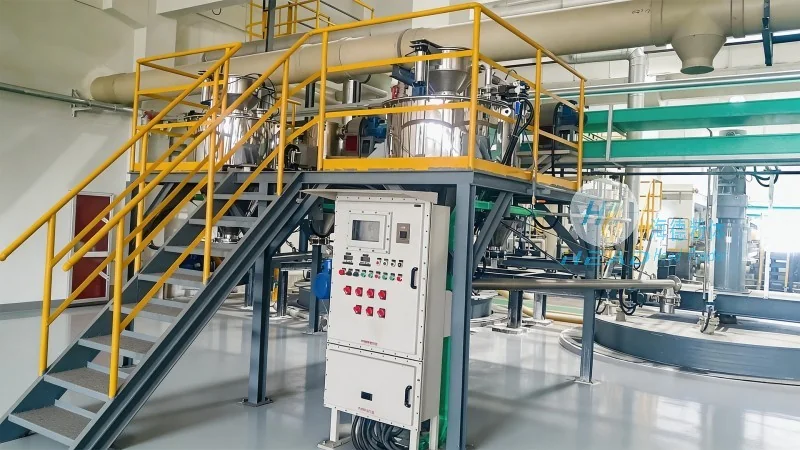
Introduction to Solid Sodium Hydroxide Pneumatic Conveying Systems
Solid sodium hydroxide, commonly known as caustic soda, is a highly caustic and reactive chemical widely used in various industries, including chemical manufacturing, paper production, and water treatment. Handling this material requires specialized equipment to ensure safety, efficiency, and compliance with industrial standards. Pneumatic conveying systems provide an effective method for transporting solid sodium hydroxide from storage to processing units, or between different stages of production. These systems utilize air or other gases to move the material through a network of pipes, eliminating the need for mechanical components like conveyors or elevators that could cause contamination or damage to the material.
Key Components of a Pneumatic Conveying System for Solid Sodium Hydroxide
The operation of a solid sodium hydroxide pneumatic conveying line relies on several critical components that work in tandem to ensure smooth material transport. The primary components include a material feeder, a conveying line (typically made of corrosion-resistant materials such as stainless steel to withstand the caustic nature of sodium hydroxide), a compressor or blower to generate the necessary air pressure, and a control system to regulate the flow and pressure. Additionally, the system may incorporate features like dust collection, filtration, and safety valves to maintain operational integrity and protect personnel from exposure to the material.
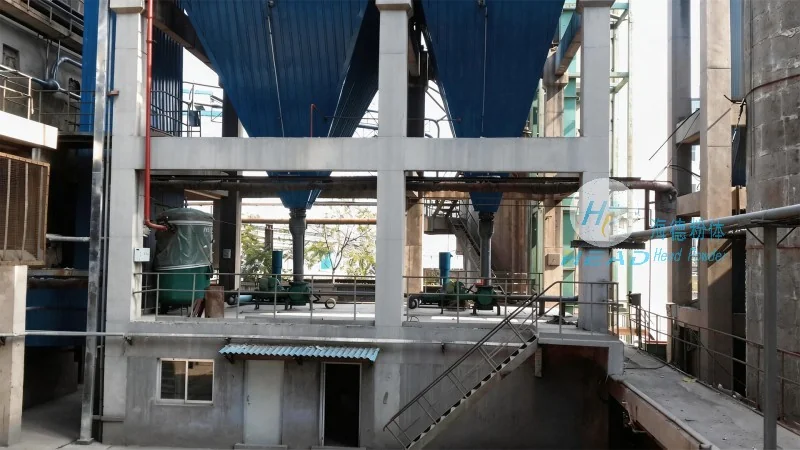
The Operation Process of Solid Sodium Hydroxide Pneumatic Conveying Lines
The operation process of a solid sodium hydroxide pneumatic conveying line involves several sequential steps that ensure the material is transported safely and efficiently. The process begins with the material being fed into the system from a storage silo or hopper. The feeder, often a rotary valve or a screw feeder, controls the flow rate of the solid sodium hydroxide into the conveying line. Simultaneously, the compressor or blower generates a high-pressure air stream that is introduced into the conveying line. The air stream creates a negative pressure or positive pressure environment, depending on the system design, which propels the solid sodium hydroxide particles through the pipes. As the material travels through the system, it may encounter bends, elbows, or expansion joints, which are designed to minimize pressure loss and maintain the flow of the material. The conveying line terminates at the destination point, where the material is discharged into a receiving hopper or processing unit. The control system continuously monitors the pressure, flow rate, and temperature to ensure optimal performance and prevent any issues such as blockages or over-pressurization.
Working Principle of Pneumatic Conveying for Solid Sodium Hydroxide
The working principle of a solid sodium hydroxide pneumatic conveying system is based on the principles of fluid dynamics and particle transport. The system operates by creating a flow of air or gas that entrains the solid particles, carrying them through the conveying line. There are two main types of pneumatic conveying systems: dilute phase and dense phase. Dilute phase systems use low air velocities to transport the material, resulting in a relatively low concentration of particles in the air stream. Dense phase systems, on the other hand, use higher air velocities and lower flow rates to create a higher concentration of particles, which can be more effective for longer distances or when handling more delicate materials. For solid sodium hydroxide, the choice between these systems depends on factors such as the distance between the source and destination, the required flow rate, and the material's characteristics. The system's efficiency is influenced by factors such as the air pressure, the size and shape of the particles, and the design of the conveying line. Proper maintenance and regular inspection of the components are essential to ensure the system operates at peak efficiency and to prevent any potential issues that could affect the quality of the material being transported.
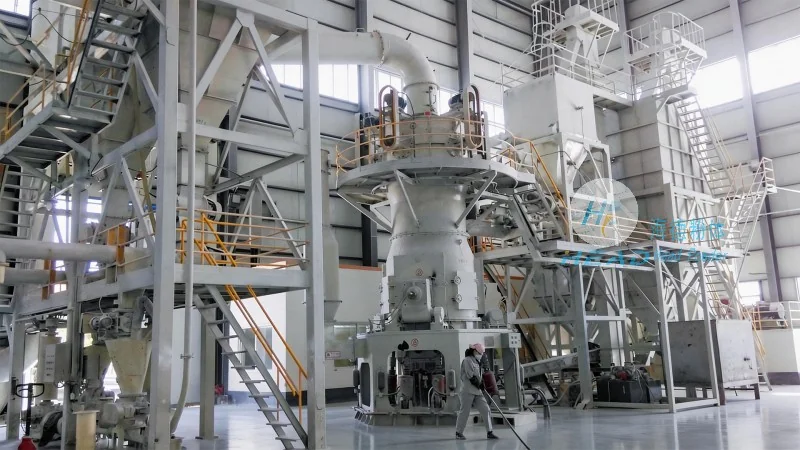
Advantages of Using Pneumatic Conveying for Solid Sodium Hydroxide Handling
Implementing a pneumatic conveying system for solid sodium hydroxide offers several advantages over traditional mechanical conveying methods. One of the primary benefits is the elimination of mechanical contact between the material and the conveying equipment, which reduces the risk of contamination and damage to the solid sodium hydroxide. This is particularly important for caustic materials, as any contamination could affect the quality of the final product or pose health risks to personnel. Additionally, pneumatic conveying systems are more flexible in terms of layout, as they can be installed in various configurations to accommodate different production layouts and space constraints. The systems also offer better control over the flow rate and pressure, allowing for precise material handling and reducing the risk of overloading or underloading the processing units. Furthermore, pneumatic conveying systems are generally more energy-efficient compared to mechanical conveyors, as they use air as the primary medium, which can be more cost-effective in the long run.
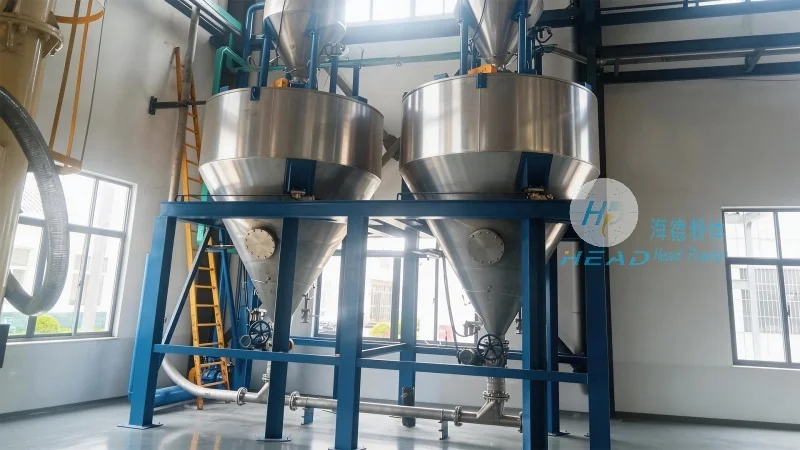
Applications and Industries Utilizing Solid Sodium Hydroxide Pneumatic Conveying Systems
Solid sodium hydroxide pneumatic conveying systems are widely used in various industries due to their versatility and efficiency. In the chemical industry, these systems are commonly employed in the production of caustic soda, where they are used to transport the material between reactors, storage tanks, and processing units. The paper industry also utilizes pneumatic conveying systems to handle solid sodium hydroxide in the production of pulp and paper, as it is a key component in the bleaching and chemical pulping processes. Water treatment facilities use these systems to transport solid sodium hydroxide for pH adjustment and water softening applications. Additionally, the food and beverage industry may use pneumatic conveying systems for handling solid sodium hydroxide in the production of certain food additives or cleaning agents. The adaptability of pneumatic conveying systems makes them suitable for a wide range of applications, ensuring that solid sodium hydroxide can be handled safely and efficiently in various industrial settings.
Conclusion and Company Overview
Efficient handling of solid sodium hydroxide is essential for maintaining productivity and safety in industrial operations. Pneumatic conveying systems provide a reliable and effective solution for transporting this caustic material, offering advantages such as reduced contamination, flexible layout, and improved control over the material flow. The operation process and working principle of solid sodium hydroxide pneumatic conveying lines involve a coordinated effort of several components working together to ensure the material is transported safely and efficiently. For companies seeking to implement or upgrade their solid sodium hydroxide handling systems, it is crucial to partner with a reputable supplier who understands the unique requirements of handling caustic materials. Shandong HeadPowder Engineering Co., Ltd., a leading manufacturer of industrial conveying systems, specializes in providing customized pneumatic conveying solutions tailored to the specific needs of their clients. With a focus on quality, safety, and efficiency, HeadPowder offers a range of pneumatic conveying systems designed to meet the demands of various industries. The company's expertise in material handling and industrial engineering ensures that their systems are reliable, durable, and compliant with industry standards. Based in Shandong, China, HeadPowder has established itself as a trusted partner for businesses looking to enhance their material transport capabilities. By leveraging the company's technical expertise and innovative solutions, industries can improve their operational efficiency and ensure the safe handling of solid sodium hydroxide in their production processes.