

Operation Process and Working Principle of Multi-Point Feeding Pneumatic Conveying Lines
Multi-point feeding pneumatic conveying lines are advanced industrial systems designed to transport bulk materials efficiently from multiple feeding points to a central collection or processing unit. These systems are widely used in various industries, including food processing, pharmaceuticals, chemicals, and mining, due to their ability to handle a wide range of materials while maintaining high levels of hygiene and control. The operation process and working principle of such lines involve several key components and steps that ensure smooth and reliable material transfer.
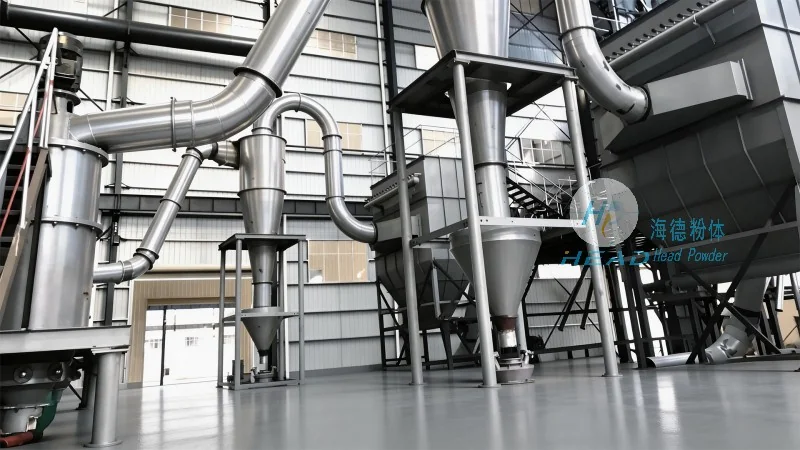
Key Components of Multi-Point Feeding Pneumatic Conveying Systems
At the core of a multi-point feeding pneumatic conveying line are several essential components that work in tandem to facilitate material transport. The primary components include feed hoppers, feeding valves, conveying lines, a central air compressor or blower, and a collection bin or silo. Each component plays a critical role in the overall system performance. Feed hoppers are used to store and meter the bulk material from each feeding point, ensuring a consistent flow rate. Feeding valves, often equipped with rotary or slide mechanisms, control the release of material into the conveying line. The conveying lines, typically made of stainless steel or other corrosion-resistant materials, are designed to withstand the pressure and temperature of the air and material mixture. The central air compressor or blower generates the necessary air pressure to move the material through the system. Finally, the collection bin or silo stores the conveyed material until it is further processed or packaged.
Working Principle of Multi-Point Feeding Pneumatic Conveying Lines
The working principle of multi-point feeding pneumatic conveying lines is based on the principle of pneumatic transport, where material is suspended and transported by a stream of air. The process begins with the material being fed from each hopper into the conveying line through the feeding valves. Simultaneously, the air compressor or blower supplies high-pressure air into the conveying line. As the air flows through the line, it creates a low-pressure zone that draws the material particles into the air stream. The material is then carried along the line as a suspension, with the air providing the necessary kinetic energy to overcome the gravitational forces and any resistance within the system. The central collection bin receives the material as it is deposited from the conveying line, completing the transport process.
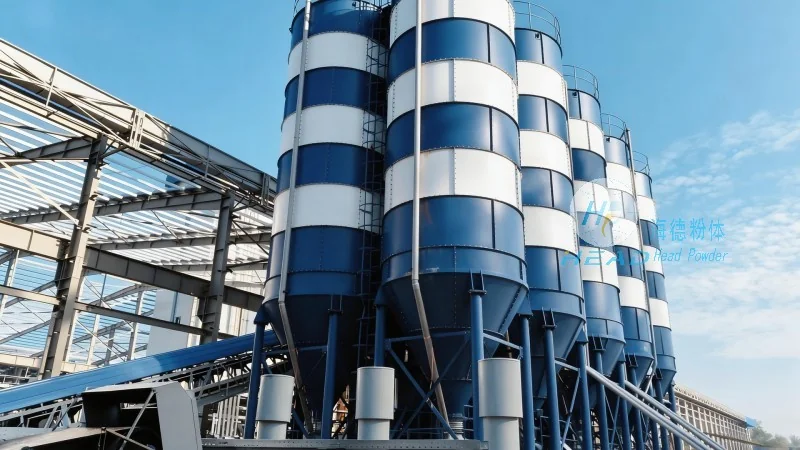
Operation Process of Multi-Point Feeding Pneumatic Conveying Lines
The operation process of a multi-point feeding pneumatic conveying line involves several sequential steps that ensure efficient and continuous material transfer. The first step is the preparation phase, where the material is loaded into each feed hopper and the system is checked for proper functioning. This includes verifying that all feeding valves are closed, the air compressor is operational, and the collection bin is empty or has sufficient capacity. The second step is the start-up phase, where the air compressor is activated, and the feeding valves are opened to allow material to enter the conveying line. The air pressure is gradually increased to the desired level, and the material flow is monitored to ensure it is consistent and within the system's capacity. The third step is the continuous operation phase, where the system runs continuously, feeding material from all points into the central collection bin. During this phase, the system is monitored for any changes in material flow, air pressure, or temperature, and adjustments are made as needed to maintain optimal performance. The fourth step is the shutdown phase, where the air compressor is turned off, and the feeding valves are closed to stop material flow. The system is then allowed to depressurize, and the collection bin is emptied or prepared for the next batch of material.
Advantages of Multi-Point Feeding Pneumatic Conveying Lines
Multi-point feeding pneumatic conveying lines offer several advantages over traditional material handling methods. One of the primary advantages is the ability to handle multiple feeding points simultaneously, which increases the system's capacity and flexibility. This allows for the integration of multiple production lines or storage areas into a single conveying system, reducing the need for multiple individual transport systems. Another advantage is the high level of control and precision in material flow, which minimizes material loss and contamination. The system can be programmed to adjust the flow rate of each feeding point based on the demand, ensuring that the collection bin is filled at a consistent rate. Additionally, the use of stainless steel or other corrosion-resistant materials in the construction of the conveying lines ensures that the system is suitable for handling a wide range of materials, including those that are hygienic or sensitive to contamination. The system also offers a compact design, which reduces the footprint of the facility and allows for easier installation and maintenance.
Applications and Industries Using Multi-Point Feeding Pneumatic Conveying Lines
Multi-point feeding pneumatic conveying lines are used in a variety of industries and applications where bulk material transport is required. In the food processing industry, these systems are used to transport ingredients such as flour, sugar, and spices from multiple storage areas to a central mixing or processing unit. The hygienic design of the system ensures that the materials are handled in a clean and safe manner, meeting the strict regulations of the food industry. In the pharmaceutical industry, the system is used to transport active pharmaceutical ingredients (APIs) and excipients from multiple feeding points to a central blending or packaging unit. The system's ability to maintain a sterile environment and prevent contamination is crucial for pharmaceutical applications. In the chemical industry, the system is used to transport chemicals, powders, and granules from multiple storage tanks or silos to a central processing or reaction unit. The system's corrosion-resistant materials and control capabilities ensure that the materials are handled safely and efficiently. In the mining industry, the system is used to transport ore and minerals from multiple mining sites to a central processing or storage facility. The system's high capacity and durability make it suitable for the harsh conditions of the mining industry.
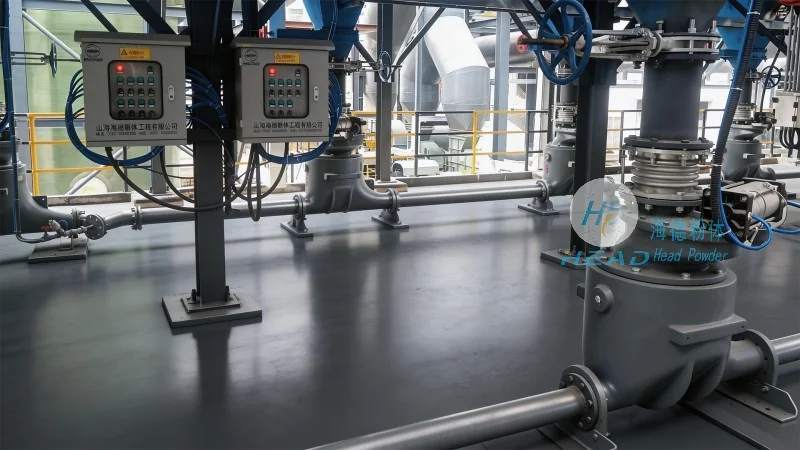
Maintenance and Troubleshooting of Multi-Point Feeding Pneumatic Conveying Lines
Maintenance and troubleshooting are essential to ensure the long-term performance and reliability of multi-point feeding pneumatic conveying lines. Regular maintenance is required to keep the system in optimal condition and prevent breakdowns. This includes cleaning the feed hoppers and conveying lines to remove any accumulated material or debris, checking the feeding valves for proper operation, and inspecting the air compressor or blower for any signs of wear or damage. The air filter and compressor oil should also be checked and replaced as needed to ensure that the air quality and compressor performance are maintained. Troubleshooting is necessary when the system is not operating as expected. Common issues include low material flow, high air pressure, or blockages in the conveying line. These issues can be caused by a variety of factors, such as clogged feed hoppers, faulty feeding valves, or a malfunctioning air compressor. By identifying and addressing these issues promptly, the system can be restored to its normal operation, minimizing downtime and ensuring continuous material transport.
Conclusion
Multi-point feeding pneumatic conveying lines are advanced industrial systems that offer efficient and reliable bulk material transport from multiple feeding points to a central collection or processing unit. The operation process involves several key components and steps, including the use of feed hoppers, feeding valves, conveying lines, an air compressor or blower, and a collection bin. The working principle is based on the suspension of material particles in a stream of air, which is generated by the air compressor or blower. The system's operation process includes preparation, start-up, continuous operation, and shutdown phases. The advantages of these systems include high capacity, flexibility, precise control, and hygienic design, making them suitable for various industries such as food processing, pharmaceuticals, chemicals, and mining. Proper maintenance and troubleshooting are essential to ensure the long-term performance and reliability of the system. As industrial processes continue to evolve, multi-point feeding pneumatic conveying lines remain a critical component in material handling, providing efficient and effective solutions for bulk material transport.