

Operation Process and Working Principle of Sawdust and Husk Pneumatic Conveying Lines
HeadPowder, a leading engineering firm based in Shandong, China, specializes in the design, manufacturing, and installation of advanced pneumatic conveying systems tailored for the efficient handling of bulk materials such as sawdust and husk. This article delves into the operational workflow and underlying principles of their sawdust and husk pneumatic conveying lines, providing a comprehensive understanding of how these systems function to meet industrial demands.
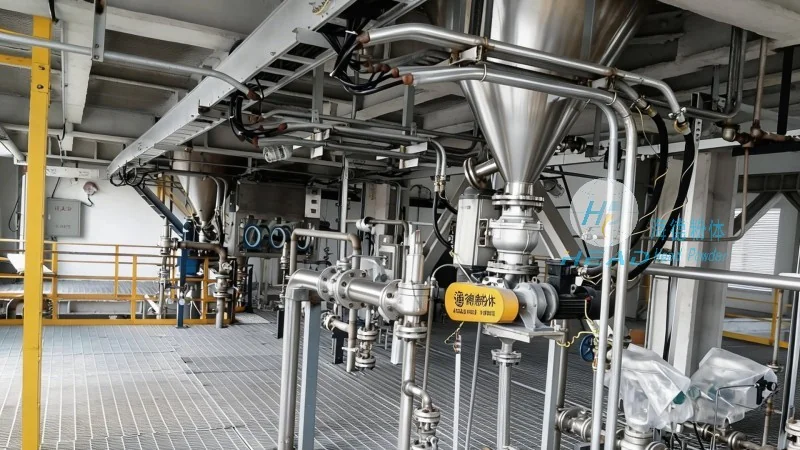
Overview of the Pneumatic Conveying System
The sawdust and husk pneumatic conveying line developed by HeadPowder is engineered to transport dry, light bulk materials like sawdust and various agricultural husks from storage silos or processing units to processing plants or storage facilities. The system operates on the principle of using compressed air to create a flow that propels the material through a network of pipes, eliminating the need for mechanical components like belts or buckets that are common in traditional conveyor systems. This design not only enhances efficiency but also reduces maintenance requirements and operational costs.
Key Components of the System
The pneumatic conveying line consists of several critical components that work in tandem to ensure smooth material transport. These include the material feed hopper, which holds the bulk material and feeds it into the system; the air compressor, which generates the necessary pressure to move the material; the conveying pipeline, which forms the main transport route; the control valves and regulators, which manage the air flow and pressure; and the discharge hopper or collection tank, where the material is deposited at the destination. Each component is carefully selected and integrated to ensure optimal performance and reliability.
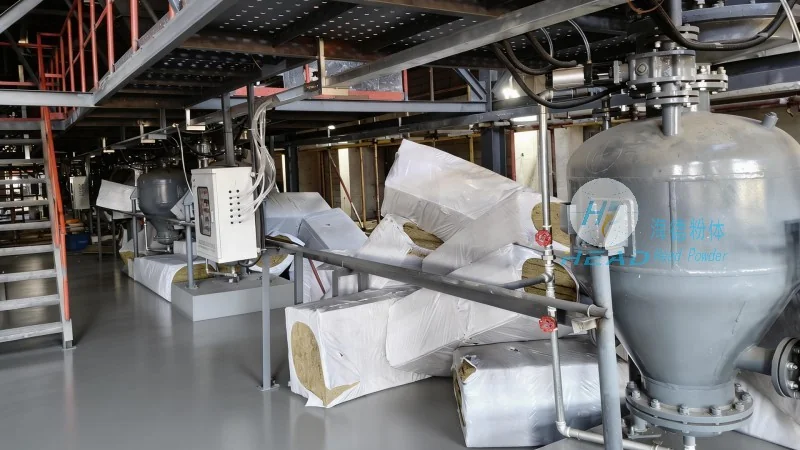
Operation Process: Step-by-Step Workflow
The operation of the sawdust and husk pneumatic conveying line follows a systematic sequence of steps that ensure consistent and efficient material handling. The process begins with the loading of the material into the feed hopper. As the material accumulates, it is drawn into the conveying pipeline by the force of the compressed air. The air compressor continuously supplies air at a pressure sufficient to overcome the resistance of the material and the pipeline, creating a stable flow. The material is then transported through the pipeline to the discharge point, where it is collected in the receiving hopper. The system is equipped with sensors and control mechanisms that monitor the flow rate and pressure, allowing for real-time adjustments to maintain optimal performance. This automated process minimizes human intervention and ensures consistent material delivery.
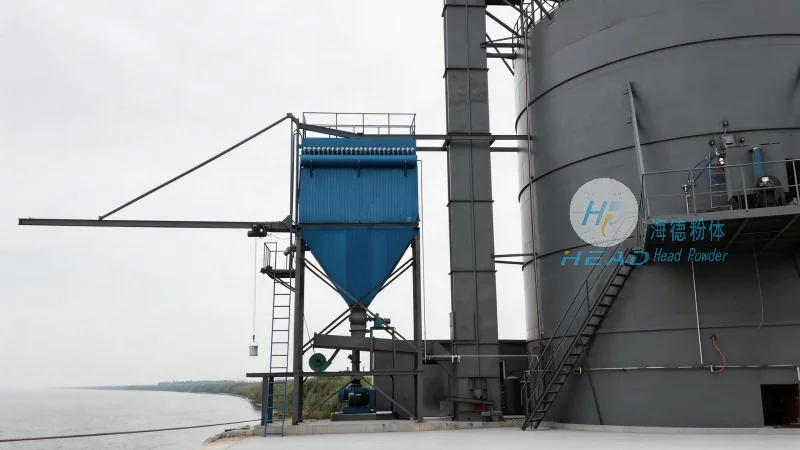
Working Principle: The Physics Behind the Process
The core working principle of the pneumatic conveying line is based on fluid dynamics and the interaction between air and solid particles. When compressed air is introduced into the conveying pipeline, it creates a low-pressure zone that draws the material from the feed hopper. The air and material form a slurry-like mixture, known as a "pneumatic slurry," which moves through the pipeline. The velocity of the air is critical; it must be high enough to keep the material suspended and prevent it from settling or clogging the pipeline. The system uses a combination of positive pressure (where air is pushed from the compressor) and negative pressure (where air is drawn from the discharge end) to achieve efficient transport. The design of the pipeline, including bends and elbows, is optimized to minimize pressure loss and maintain the flow of the material-air mixture. This principle allows for the reliable and continuous transport of sawdust and husk over long distances and varying elevations.
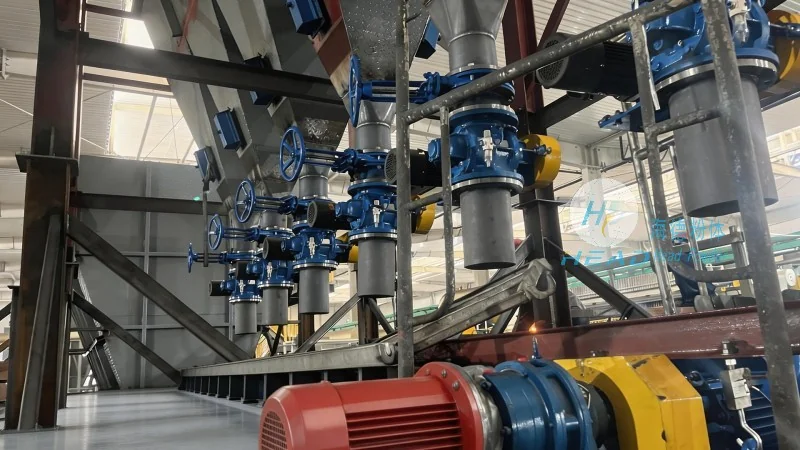
Advantages and Applications
The sawdust and husk pneumatic conveying line offers several advantages over traditional mechanical conveyors, making it an ideal solution for industries dealing with bulk materials. These advantages include reduced labor costs due to automated operation, lower maintenance requirements as there are no moving parts in direct contact with the material, and the ability to handle materials that are dusty or have a tendency to clog. The system is also highly flexible, allowing for easy integration with existing processing plants and the ability to transport materials over long distances without the need for multiple transfer points. HeadPowder's systems are widely used in the wood processing industry for transporting sawdust from sawmills to pellet production facilities, as well as in agricultural processing for moving husk from storage to processing units. The efficiency and reliability of these systems make them a preferred choice for industries seeking to optimize their material handling processes.
Conclusion
In conclusion, the sawdust and husk pneumatic conveying line developed by Shandong HeadPowder Engineering Co., Ltd. represents a sophisticated and efficient solution for the transport of bulk materials. By leveraging the principles of pneumatic conveying, the system provides a reliable, low-maintenance, and cost-effective method for handling sawdust and husk. The operational workflow, from material loading to discharge, is designed to ensure consistent performance, while the underlying physics ensures that the material is transported smoothly and efficiently. With its headquarters in Shandong, China, HeadPowder continues to innovate in the field of bulk material handling, providing tailored solutions that meet the specific needs of various industries.