

Operation Process and Working Principle of the Manganese Carbonate Pneumatic Conveying Line
The Manganese Carbonate Pneumatic Conveying Line is a specialized system designed for the efficient and safe transportation of manganese carbonate powder. As a key component in mineral processing and chemical industries, this line integrates advanced pneumatic conveying technology to handle bulk materials with precision. Developed by Shandong HeadPowder Engineering Co., Ltd., a leading manufacturer based in China, this system combines reliability, efficiency, and durability to meet the demanding requirements of modern industrial applications.
Key Components and Their Roles
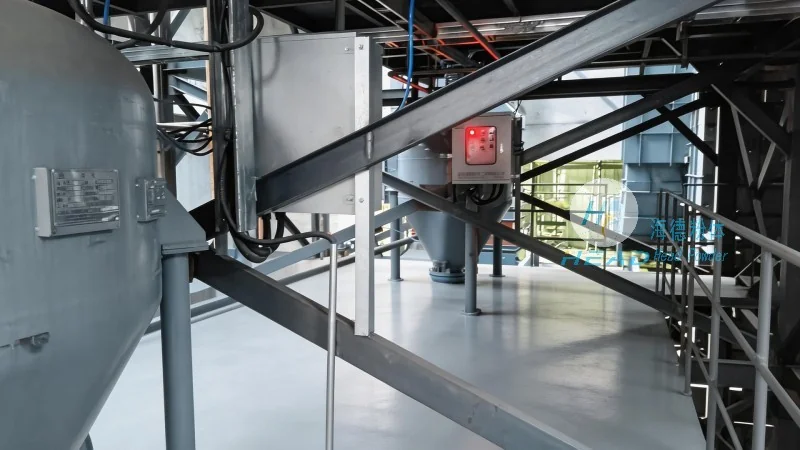
The Manganese Carbonate Pneumatic Conveying Line consists of several critical components that work in tandem to ensure smooth material flow. The main components include the material hopper, air compressor, conveying pipeline, dust separator, and control system. Each component plays a vital role in the overall operation. The material hopper serves as the storage and feeding unit, where manganese carbonate powder is loaded and prepared for transport. The air compressor generates the necessary air pressure to move the material through the pipeline. The conveying pipeline, typically made of stainless steel or other corrosion-resistant materials, ensures the material is transported without degradation. The dust separator, or cyclone separator, removes fine particles and dust from the air stream, maintaining air quality and preventing system blockages. The control system monitors and regulates the entire process, ensuring optimal performance and safety.
Operation Process of the Manganese Carbonate Pneumatic Conveying Line
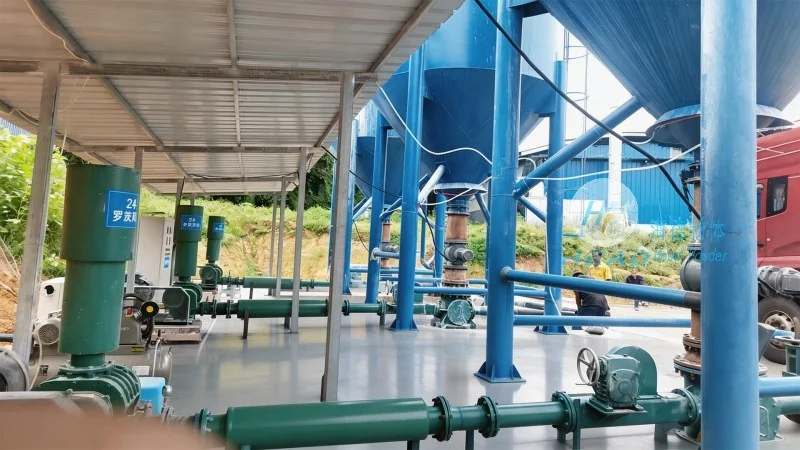
The operation of the Manganese Carbonate Pneumatic Conveying Line follows a systematic process that ensures consistent and reliable material transport. The process begins with the loading of manganese carbonate powder into the material hopper. The hopper is equipped with a feeding mechanism, such as a rotary valve or screw feeder, which controls the flow rate of the material into the conveying pipeline. Simultaneously, the air compressor starts, generating a high-pressure air stream. The compressed air is introduced into the pipeline, creating a flow that pulls the material particles along with it. As the material travels through the pipeline, it is mixed with the air, forming a dense slurry that moves towards the destination point, such as a storage silo or processing unit. The dust separator at the end of the pipeline separates the material from the air, allowing the air to be recycled or vented, while the material is collected in a collection bin. The control system continuously monitors parameters like pressure, flow rate, and material level, adjusting the operation as needed to maintain efficiency and prevent issues like blockages or air leaks.
Working Principle of the Pneumatic Conveying System
The working principle of the Manganese Carbonate Pneumatic Conveying Line is based on the fundamental concept of pneumatic transport, which uses air as the medium to move bulk materials. The system operates on the principle of creating a pressure differential between the material hopper and the destination point. The air compressor provides the necessary pressure to overcome the resistance in the pipeline and the weight of the material. The material is entrained by the high-velocity air stream, and the combination of air and material forms a fluidized mixture that moves through the pipeline. The velocity of the air is critical; it must be sufficient to lift and transport the material particles without causing excessive wear or degradation. The design of the pipeline, including bends and fittings, is optimized to minimize pressure loss and maintain consistent flow. The dust separator works on the principle of centrifugal force, where the air stream is directed into a cyclone, causing the heavier material particles to separate from the air and fall to the bottom of the separator. The clean air is then discharged or recirculated, while the material is collected and prepared for further use. This closed-loop system ensures minimal material loss and maintains a clean working environment.
Advantages of the Manganese Carbonate Pneumatic Conveying Line
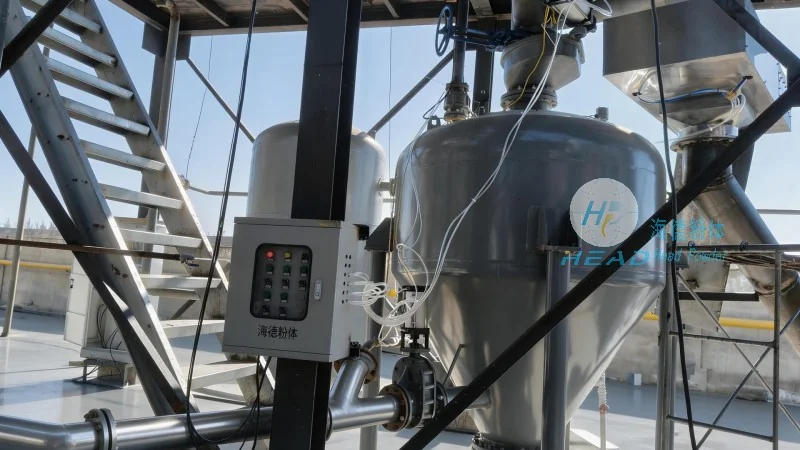
Implementing the Manganese Carbonate Pneumatic Conveying Line offers several advantages over traditional material handling methods. First, it provides a dust-free and clean operation, which is crucial for maintaining a safe working environment and complying with industrial regulations. The enclosed system prevents the release of fine particles into the air, reducing the risk of respiratory issues and contamination. Second, the system offers high efficiency and speed, allowing for rapid transport of large quantities of manganese carbonate powder. The pneumatic conveying process is faster than traditional methods like belt conveyors or manual handling, reducing production time and increasing overall productivity. Third, the system is highly flexible and can be easily integrated into existing industrial setups. It can handle varying material flow rates and can be adjusted to accommodate different production needs. Fourth, the system is low maintenance and durable, with components designed to withstand the corrosive nature of manganese carbonate and the abrasive properties of the material. The use of stainless steel and other high-quality materials ensures long-term reliability and minimal downtime. Finally, the system is energy-efficient, as the air compressor can be optimized to use minimal energy while maintaining the required pressure and flow rates.
Applications and Industries
The Manganese Carbonate Pneumatic Conveying Line is widely used in various industries that require the handling of manganese carbonate powder. In the mineral processing industry, it is used to transport manganese carbonate from mining sites to processing facilities, where it is further refined into high-purity products. In the chemical industry, it is used in the production of manganese compounds, such as manganese dioxide and manganese sulfate, where consistent material flow is essential for maintaining product quality. The system is also used in the food and pharmaceutical industries, where the dust-free operation and hygienic design are critical for meeting safety and regulatory standards. Additionally, it is used in the manufacturing of batteries and electronics, where the purity and consistency of manganese carbonate are vital for the performance of the final products.