

Operation Process and Working Principle of Silicone Powder Pneumatic Conveying Line
For industrial applications involving the handling of fine powders like silicone powder, pneumatic conveying lines offer an efficient and reliable method for material transport. These systems are designed to move bulk materials through a pipeline using pressurized air or other gas streams, eliminating the need for mechanical components such as belts or buckets. The operation of a silicone powder pneumatic conveying line involves several key stages, each contributing to the overall functionality and performance of the system. As a leading provider in the field, Shandong HeadPowder Engineering Co., Ltd. specializes in designing and manufacturing high-quality pneumatic conveying solutions tailored to the specific needs of industries handling silicone powders.
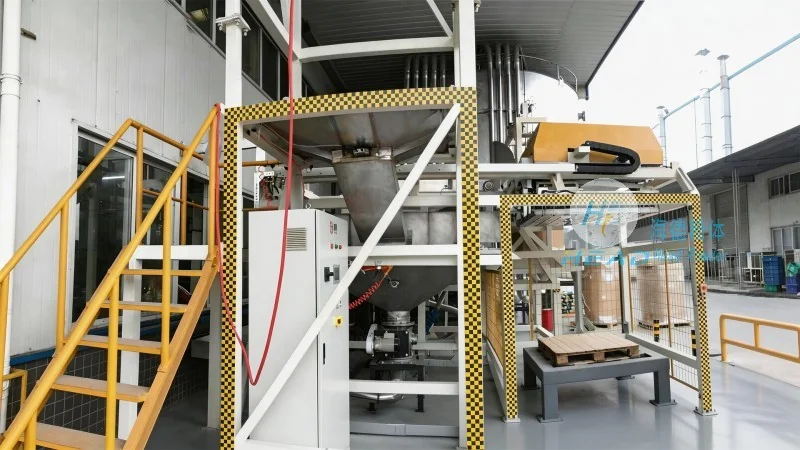
Key Components of the Pneumatic Conveying Line
The core components of a silicone powder pneumatic conveying line include the material hopper, feeder, conveying pipeline, and receiver. The material hopper is where the silicone powder is stored, and it's equipped with a feeding mechanism to control the flow rate. The feeder, often a rotary valve or a screw feeder, ensures a consistent and controlled discharge of the powder into the pipeline. The conveying pipeline is typically made of stainless steel or other corrosion-resistant materials to prevent contamination and ensure durability. The receiver is the terminal where the conveyed powder is deposited, and it's designed to handle the material under pressure.
Operation Process of the Silicone Powder Pneumatic Conveying Line
The operation process begins with the loading of silicone powder into the material hopper. The feeder then regulates the flow of powder into the conveying pipeline. As the powder enters the pipeline, it's entrained by a high-pressure air stream, which propels the material through the system. The air-powder mixture travels through the pipeline until it reaches the receiver, where the powder is separated from the air. The separated powder is collected in the receiver, while the air is either filtered and recycled or vented to the atmosphere. The entire process is controlled by a system of valves, regulators, and sensors that monitor pressure, flow rate, and other critical parameters to ensure smooth and efficient operation.
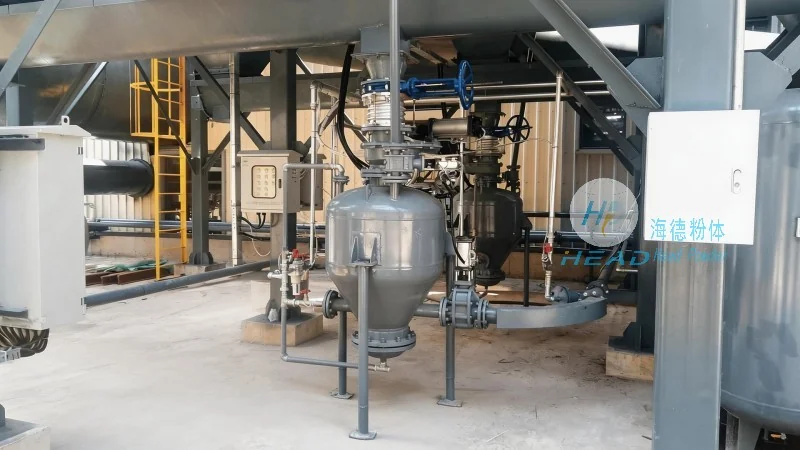
Working Principle of the Pneumatic Conveying System
The working principle of a silicone powder pneumatic conveying line is based on the principle of fluidization and drag. When the air is introduced into the conveying pipeline at a sufficient velocity, it creates a drag force on the powder particles, lifting them off the pipeline walls and keeping them suspended in the air stream. This process is known as pneumatic transport. The pressure differential between the hopper and the receiver drives the flow of the air-powder mixture. The system operates under either positive pressure (where the pipeline is pressurized) or negative pressure (where the pipeline is slightly vacuumed), depending on the specific design and application requirements. The efficiency of the system is influenced by factors such as the particle size of the silicone powder, the air velocity, and the pipeline length.
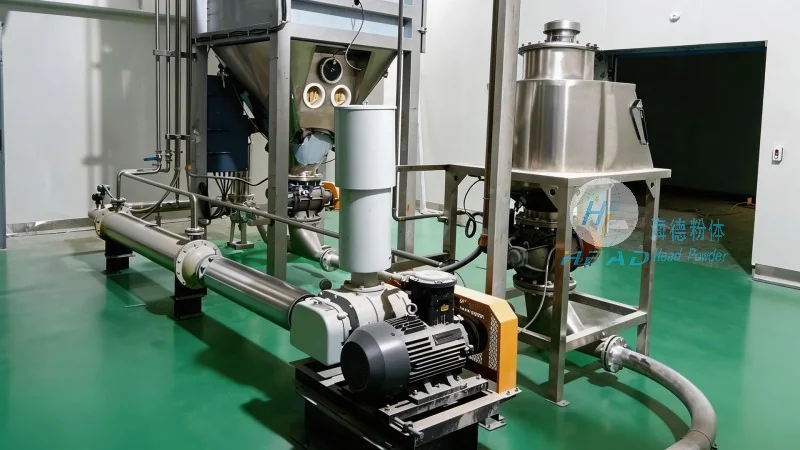
Advantages of Using a Silicone Powder Pneumatic Conveying Line
Implementing a pneumatic conveying line for silicone powder handling offers several advantages over traditional mechanical conveying methods. These include reduced material contamination, as the system is enclosed and prevents exposure to external elements. It also minimizes dust generation and improves workplace safety. Additionally, pneumatic conveying systems are capable of handling a wide range of particle sizes and flow rates, making them versatile for various industrial applications. The enclosed design also helps in maintaining product quality and preventing cross-contamination between different batches of silicone powder.
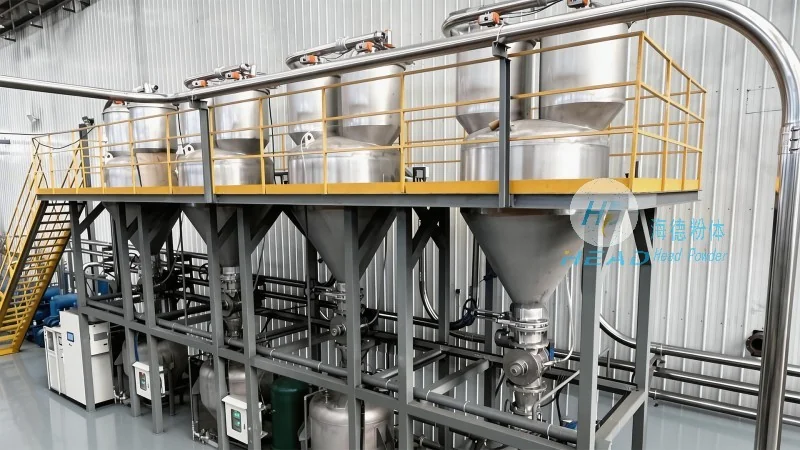
Application Examples and Industry Use Cases
Silicone powder pneumatic conveying lines are widely used in industries such as pharmaceuticals, food processing, and chemical manufacturing. In the pharmaceutical industry, these systems are used to transport active pharmaceutical ingredients (APIs) and excipients with high precision and minimal risk of contamination. In food processing, they are employed to handle food-grade silicone powders used in the production of food additives and supplements. The chemical industry utilizes these systems for transporting silicone-based chemicals and additives, ensuring safe and efficient material handling in manufacturing processes.
Maintenance and Operational Considerations
To ensure the long-term performance and reliability of a silicone powder pneumatic conveying line, regular maintenance is essential. This includes checking the condition of the pipeline and components for any signs of wear or corrosion, cleaning the system to remove accumulated powder, and inspecting the air filtration system to prevent clogging. Operational considerations also involve monitoring the system's pressure and flow rates to detect any abnormalities that could indicate a problem. Proper training of operators on the system's controls and safety procedures is crucial to prevent accidents and ensure smooth operation.