

The Operation Process and Working Principle of Barite Powder Pneumatic Conveying Lines
Barite powder, a crucial industrial material widely used in drilling fluids, paints, and other applications, often requires efficient and reliable transportation methods. Pneumatic conveying lines offer an effective solution for moving barite powder from storage to processing units. This article delves into the operation process and working principle of barite powder pneumatic conveying lines, highlighting the key components, operational steps, and the technical advantages that make this system a preferred choice in industrial settings.
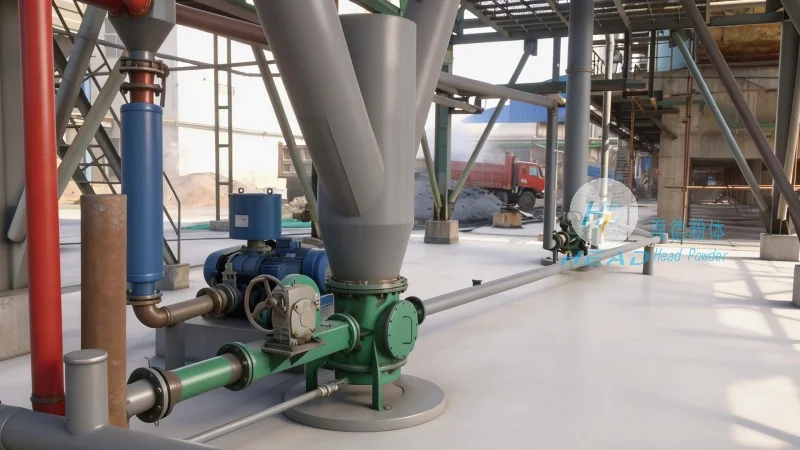
Overview of Barite Powder Pneumatic Conveying Systems
Barite powder pneumatic conveying systems are designed to transport fine powders like barite through a pipeline using compressed air or other gas. These systems are typically categorized into two main types: dilute-phase and dense-phase conveying. Dilute-phase systems use low-pressure air to move particles in a dispersed state, while dense-phase systems employ higher pressure to create a slurry-like flow. The choice between these systems depends on factors such as the material's properties, distance to be conveyed, and desired flow rate.
Key Components of the Pneumatic Conveying Line
The operation of a barite powder pneumatic conveying line involves several critical components that work in tandem to ensure efficient material transport. These components include:
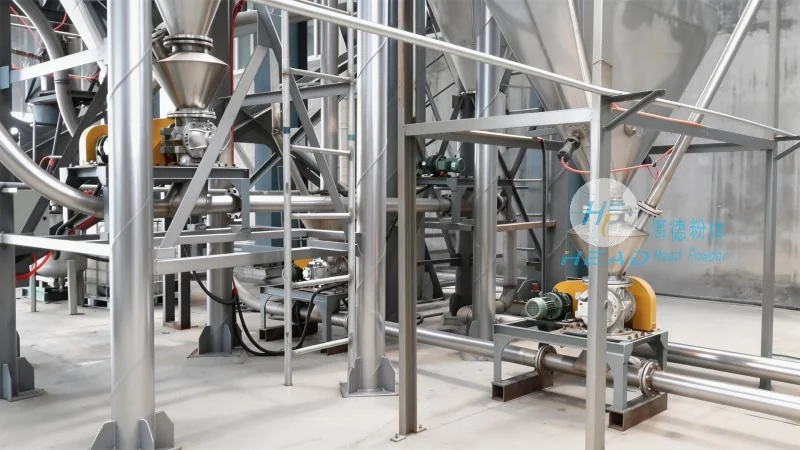
- Feeder: The feeder is responsible for feeding the barite powder into the conveying line at a controlled rate. It ensures a consistent flow of material, preventing blockages and maintaining system efficiency. Common types of feeders include rotary valves and screw feeders, which are chosen based on the powder's characteristics and the required flow rate.
- Pneumatic Conveying Unit: This is the core of the system, where compressed air or gas is introduced to move the powder. The unit typically consists of a blower or compressor that generates the necessary pressure and flow rate. The design of the conveying unit, including the type of blower (centrifugal or positive displacement) and the pressure settings, directly impacts the system's performance and the distance over which the powder can be conveyed.
- Pipeline: The pipeline is the conduit through which the barite powder and air travel. It is usually made of materials like stainless steel or PVC, selected for their resistance to corrosion and wear from the powder. The diameter and length of the pipeline are critical factors that affect the system's efficiency and the pressure drop along the line.
- Receiver: The receiver is the terminal where the barite powder is deposited after being conveyed. It is designed to collect the material and prevent dust emissions. The receiver may include a hopper or a silo to store the powder temporarily before it is transferred to the next processing stage.
- Control System: The control system monitors and regulates the operation of the conveying line. It includes sensors for pressure, flow rate, and level, as well as control valves and a programmable logic controller (PLC) to adjust the system parameters in real-time. This ensures optimal performance and prevents issues such as over-pressurization or material buildup.
Operation Process of Barite Powder Pneumatic Conveying
The operation process of a barite powder pneumatic conveying line involves several sequential steps that ensure smooth and continuous material transport. The process typically starts with the preparation of the barite powder, followed by feeding, conveying, and finally, deposition. Here is a detailed breakdown of the operational steps:
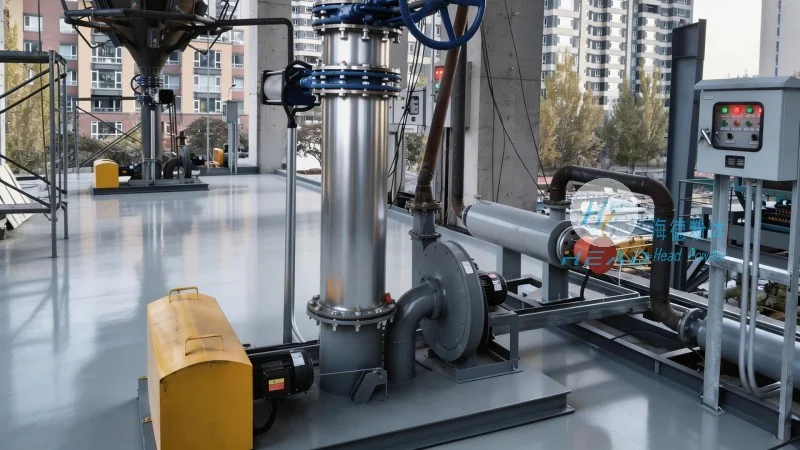
- Powder Preparation: Before feeding, the barite powder is prepared to ensure it meets the required specifications. This may involve screening to remove oversized particles or blending to achieve a uniform composition. Proper preparation is essential to prevent blockages and maintain the system's efficiency.
- Feeding: The prepared barite powder is fed into the conveying line using a feeder. The feeder controls the flow rate, ensuring a consistent supply of material to the pneumatic unit. The feeder may also include a lock hopper to prevent air leakage and maintain pressure within the system.
- Conveying: Once the powder is fed into the line, the pneumatic unit generates compressed air or gas, which propels the powder through the pipeline. The air flow rate and pressure are adjusted to maintain a stable flow of the powder. The powder particles are suspended in the air stream and transported to the receiver.
- Deposition: At the receiver end, the barite powder is deposited into the storage hopper or silo. The receiver may include a dust collection system to capture any fine particles that escape during the process, ensuring environmental compliance and product quality.
- System Monitoring and Adjustment: Throughout the operation, the control system continuously monitors the pressure, flow rate, and level in the system. If any deviations are detected, the system automatically adjusts the parameters to maintain optimal performance. This includes adjusting the air flow rate, feeder speed, or pressure settings as needed.
Working Principle of the Pneumatic Conveying System
The working principle of a barite powder pneumatic conveying system is based on the interaction between the powder particles and the air stream. The system operates by creating a pressure differential between the feeder and the receiver, which drives the material through the pipeline. The key principles involved are:
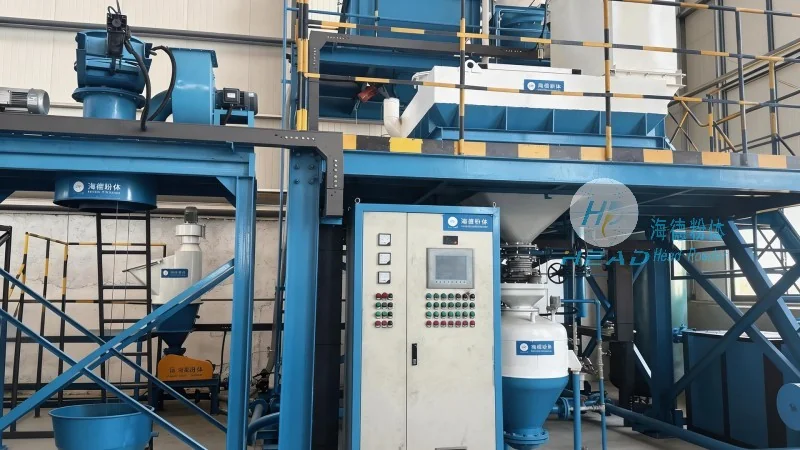
- Fluidization: The compressed air or gas in the pipeline creates a fluidized state for the barite powder. This means the powder particles are suspended in the air stream, behaving like a fluid. The fluidization process allows the powder to be transported efficiently without the need for mechanical conveyors.
- Pressure Drop: As the powder and air travel through the pipeline, there is a pressure drop due to friction between the particles and the pipeline walls, as well as the air resistance. The blower or compressor must generate enough pressure to overcome this drop and maintain the flow. The pressure drop is influenced by factors such as the pipeline length, diameter, and the flow rate of the material.
- Velocity and Particle Size: The velocity of the air stream must be sufficient to keep the barite powder particles suspended. The required velocity depends on the particle size and density of the powder. Smaller particles require higher velocities to prevent settling, while larger particles can be conveyed at lower velocities.
- Gas-Liquid (or Powder-Air) Ratio: The ratio of gas to powder in the pipeline is a critical parameter that affects the system's performance. A higher gas-to-powder ratio results in a dilute-phase system, which is suitable for short distances or low material loads. A lower ratio leads to a dense-phase system, which is more efficient for longer distances or higher material loads.
Advantages of Barite Powder Pneumatic Conveying Lines
Barite powder pneumatic conveying lines offer several advantages over traditional mechanical conveying methods. These advantages make them a preferred choice in many industrial applications:
- Efficiency and Speed: Pneumatic conveying systems can transport barite powder at high speeds and over long distances, reducing the time and labor required for material handling.
- No Mechanical Contact: Unlike belt or screw conveyors, pneumatic systems do not use mechanical parts to move the powder. This eliminates the risk of material contamination and reduces maintenance costs.
- Low Maintenance: The absence of moving parts in the pipeline reduces wear and tear, leading to lower maintenance requirements and longer system life.
- Flexibility: Pneumatic conveying systems can be easily modified or expanded to accommodate changes in production needs. The pipeline can be reconfigured or extended to serve different processing units.
- Environmental Benefits: Properly designed systems include dust collection and filtration, which minimize emissions and comply with environmental regulations. This helps maintain a clean and safe working environment.
Applications of Barite Powder Pneumatic Conveying
Barite powder pneumatic conveying lines are widely used in various industries where fine powders need to be transported efficiently. Some common applications include: