

Operation Process and Working Principle of Buckwheat Hull Pneumatic Conveying Line
Buckwheat hull pneumatic conveying lines are specialized systems designed to efficiently transport buckwheat hulls, a byproduct of the buckwheat processing industry. These systems are crucial for industries involved in the production of buckwheat flour, where the efficient handling of hulls is essential to maintain production efficiency and product quality. The technology behind these lines combines pneumatic conveying principles with robust engineering to ensure reliable and continuous operation.
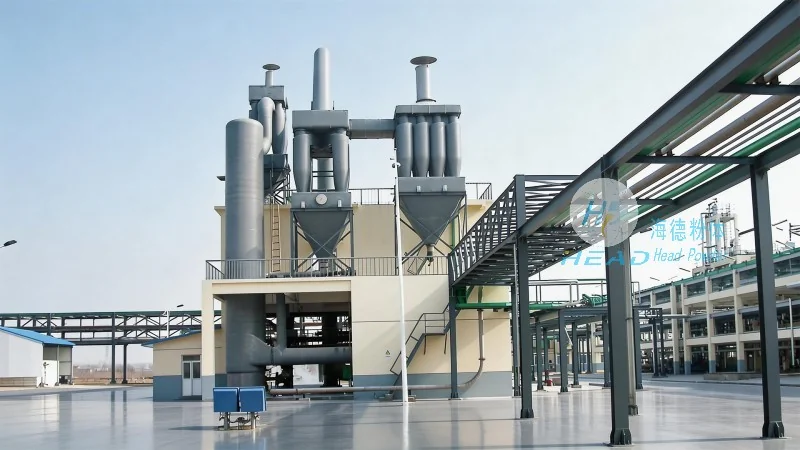
Company Overview: Shandong HeadPowder Engineering Co., Ltd.
Headpowder, the manufacturer of these advanced pneumatic conveying systems, is a leading company in the field of powder and bulk material handling solutions. With a strong focus on innovation and customer satisfaction, Headpowder has established itself as a trusted partner for businesses seeking reliable equipment for handling various bulk materials. The company's headquarters is located in Shandong, China, where it leverages local expertise and resources to develop cutting-edge solutions tailored to the needs of the agricultural and food processing sectors.
Key Components of a Buckwheat Hull Pneumatic Conveying System
A typical buckwheat hull pneumatic conveying line consists of several key components that work in tandem to achieve efficient material transport. These components include a hopper for material storage, a rotary valve or feeder to control the flow of hulls, a conveying pipeline, a pressure vessel or receiver to collect the conveyed material, and a dust collection system to ensure environmental compliance and product purity. Each component is carefully designed to handle the specific characteristics of buckwheat hulls, such as their lightweight nature and potential for static electricity.
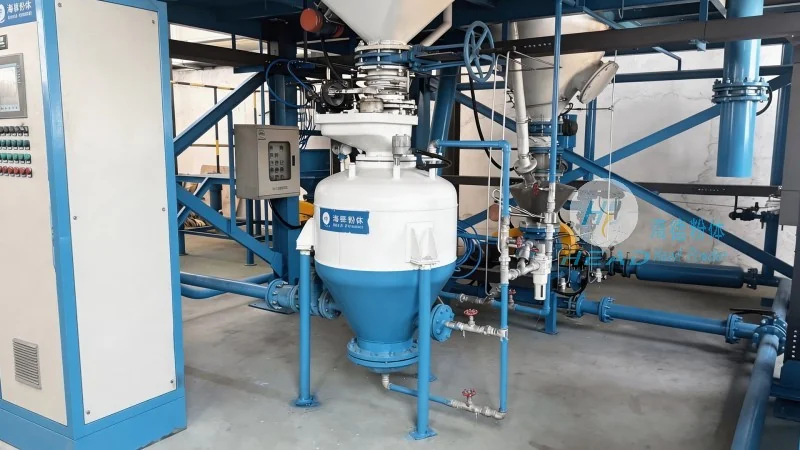
The Operation Process of the Pneumatic Conveying Line
The operation of a buckwheat hull pneumatic conveying line begins with the loading of hulls into the hopper. The rotary valve or feeder then regulates the flow of hulls into the conveying pipeline. As the material enters the pipeline, it is carried by a stream of air, typically generated by a blower or fan, which creates the necessary pressure differential to move the hulls through the system. The conveying process continues until the hulls reach the receiver or pressure vessel, where they are collected and prepared for further processing or storage. The entire process is automated and can be controlled remotely, ensuring consistent and reliable operation.
Working Principle of the Pneumatic Conveying System
The working principle of a buckwheat hull pneumatic conveying system is based on the fundamental concept of pneumatic transport, where bulk materials are conveyed through a pipeline using air or gas. In this system, the hulls are suspended in the air stream and transported under pressure. The key to efficient operation lies in maintaining the correct air velocity and pressure within the pipeline. If the air velocity is too low, the hulls may settle and cause blockages; if it is too high, excessive energy consumption and potential damage to the system may occur. Headpowder's systems are engineered to optimize these parameters, ensuring efficient and cost-effective transport of buckwheat hulls.
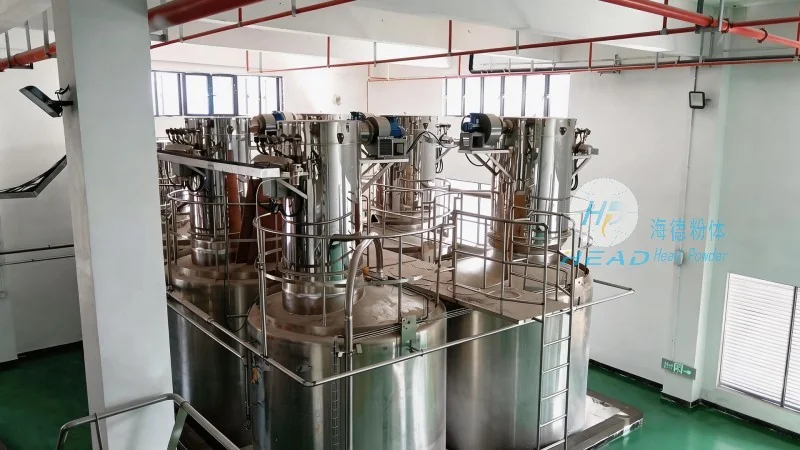
Advantages of Using a Pneumatic Conveying Line for Buckwheat Hulls
Implementing a pneumatic conveying line for buckwheat hulls offers several advantages over traditional methods such as belt conveyors or manual handling. These advantages include reduced labor costs, increased production efficiency, and improved product quality. The enclosed system also minimizes dust emissions, contributing to a cleaner working environment and compliance with environmental regulations. Additionally, the flexibility of pneumatic conveying allows for easy integration with existing processing lines, making it a versatile solution for various production setups.
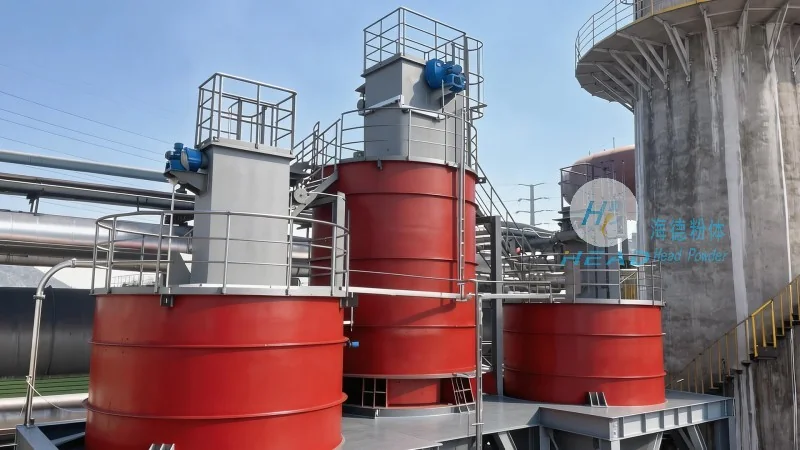
Maintenance and Troubleshooting Tips for Buckwheat Hull Pneumatic Conveying Lines
To ensure the long-term reliability and performance of a buckwheat hull pneumatic conveying line, regular maintenance is essential. This includes checking the condition of the hopper and feeder, inspecting the conveying pipeline for blockages or wear, and maintaining the blower or fan at optimal performance levels. Regular cleaning of the dust collection system is also crucial to prevent clogging and maintain air quality. In case of operational issues, such as reduced conveying capacity or increased energy consumption, Headpowder recommends consulting the system's user manual or contacting their technical support team for guidance. Proper maintenance and timely troubleshooting can significantly extend the lifespan of the equipment and minimize downtime.
Conclusion
Buckwheat hull pneumatic conveying lines are an essential component of modern buckwheat processing facilities, offering efficient and reliable transport of hulls while maintaining product quality and environmental standards. With the expertise of companies like Shandong HeadPowder Engineering Co., Ltd., these systems can be tailored to meet the specific needs of individual operations, ensuring optimal performance and cost-effectiveness. By understanding the operation process and working principles of such systems, businesses can make informed decisions about implementing or upgrading their material handling infrastructure.