

Operation Process and Working Principle of Pneumatic Conveying Lines for Lithium-Ion Battery Materia
HeadPowder, a leading engineering company based in Shandong, China, specializes in the design, manufacturing, and installation of advanced pneumatic conveying systems tailored for the lithium-ion battery material industry. This article provides a detailed overview of the operation process and working principles of such systems, highlighting the key components, operational steps, and technical aspects that ensure efficient material handling in battery production facilities.
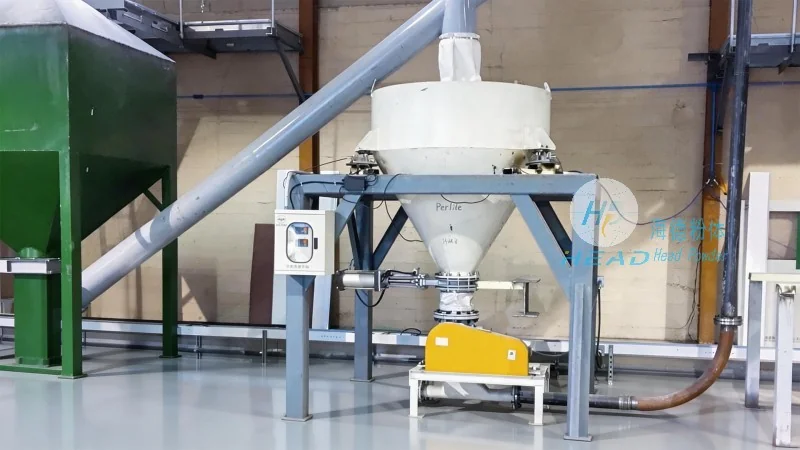
Introduction to Pneumatic Conveying for Lithium-Ion Battery Materials
Pneumatic conveying lines are critical in the lithium-ion battery manufacturing process, as they enable the safe and efficient transport of various raw materials and intermediates, such as lithium compounds, graphite, and other powders. These systems are designed to handle fine and abrasive materials, which are common in battery material production, while maintaining high levels of accuracy and minimal product degradation. The following sections will delve into the operational workflow and underlying principles of these systems.
Key Components of a Pneumatic Conveying Line
Before discussing the operation process, it is essential to understand the primary components that make up a pneumatic conveying system. These components work in concert to facilitate material transport and ensure system efficiency. The main parts include:
- Feed Hopper: A container that stores the bulk material to be conveyed. It is equipped with a feeding mechanism, such as a rotary valve or a star feeder, to control the flow of material into the system.
- Conveying Pipe: The main pipeline through which the material and air travel. The pipe is typically made of stainless steel or other corrosion-resistant materials to withstand the abrasive nature of battery materials.
- Air Supply System: This includes a blower or compressor that generates the necessary air pressure to move the material. The system may also feature air filters and regulators to maintain air quality and pressure stability.
- Control Valves: Used to regulate the flow of material and air, ensuring smooth operation and preventing blockages or overloading.
- Receiving Hopper: The container where the conveyed material is deposited. It may include a discharge mechanism, such as a rotary valve, to release the material into the next processing stage.
- Filter and Dust Collection System: Essential for maintaining air quality and complying with environmental regulations. This system captures any fine particles that escape the conveying line.
Operation Process of a Pneumatic Conveying Line
The operation of a pneumatic conveying line involves a series of steps that ensure the continuous and controlled transport of materials. The process typically begins with the material being fed from the feed hopper into the conveying pipe. Simultaneously, the air supply system generates the required air pressure, which is introduced into the pipe at a specific point. The air and material then mix, and the material is carried along the pipe by the airflow. The conveying process can be categorized into two main types: suction (or negative pressure) and pressure (or positive pressure) systems, each with distinct operational characteristics.
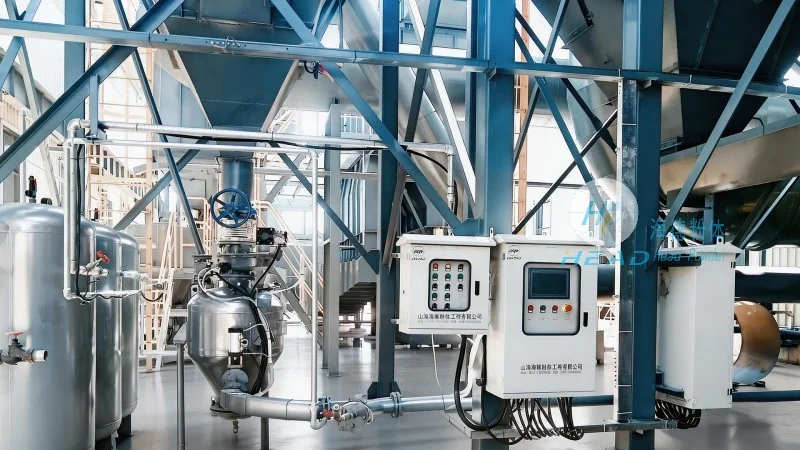
For a suction system, the air is drawn from the conveying line, creating a negative pressure that pulls the material from the feed hopper. The material is then carried through the pipe to the receiving hopper, where the air is released and the material is deposited. In a pressure system, the air is forced into the conveying line, creating positive pressure that pushes the material from the feed hopper to the receiving hopper. Both systems have advantages and are selected based on the specific requirements of the material and the application.
Working Principle of Pneumatic Conveying
The core principle of pneumatic conveying is the use of air as a medium to transport solid materials. The process relies on the interaction between the air flow and the material particles. When air is introduced into the conveying pipe, it creates a low-pressure zone that draws the material into the pipe. The material particles are then suspended in the air stream and transported to the destination. The efficiency of the system depends on several factors, including the air velocity, material properties (such as particle size, density, and moisture content), and the design of the conveying line.
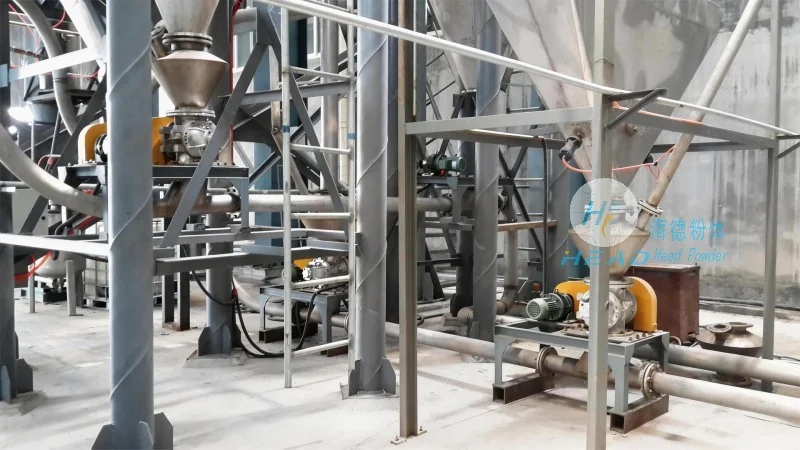
In suction systems, the air flow is typically lower, and the material is carried in a dilute phase, meaning the material is dispersed in the air as individual particles. This is suitable for fine powders and materials that are prone to caking. In pressure systems, the air flow is higher, and the material may be carried in a dense phase, where the particles are more closely packed together. Dense phase conveying is often used for bulkier materials or when higher material throughput is required.
Advantages of Pneumatic Conveying for Lithium-Ion Battery Materials
Pneumatic conveying systems offer several advantages for the lithium-ion battery industry, making them the preferred choice for material handling in many applications. These benefits include:
- Continuous and Uninterrupted Operation: Pneumatic systems allow for continuous material transport, reducing downtime and increasing production efficiency.
- Minimal Product Contamination: The enclosed system prevents contamination from external sources, ensuring the purity of the battery materials.
- Space Efficiency: These systems can be installed in compact spaces, making them suitable for facilities with limited floor area.
- Flexibility in Layout: Pneumatic conveying lines can be easily reconfigured or extended to accommodate changes in production processes or facility expansion.
- Reduced Labor Costs: Automated systems require less manual labor for material handling, leading to lower operational costs.
Conclusion
HeadPowder's pneumatic conveying lines for lithium-ion battery materials are engineered to meet the stringent demands of modern battery production. By understanding the operation process and working principles of these systems, manufacturers can optimize their material handling processes, improve efficiency, and ensure the quality of their products. With a focus on innovation and customer-centric solutions, HeadPowder continues to provide reliable and efficient pneumatic conveying systems that support the growth of the lithium-ion battery industry.