

Operation Process and Working Principle of Pulse Pneumatic Conveying Systems
For industrial applications requiring efficient and reliable material transport, pulse pneumatic conveying systems offer a robust solution. These systems are designed to handle a wide range of bulk materials, including powders, granules, and other particulate substances, by utilizing compressed air to move material through a pipeline network. The operation and working principles of such systems are critical to understanding their effectiveness and suitability for various industrial processes.
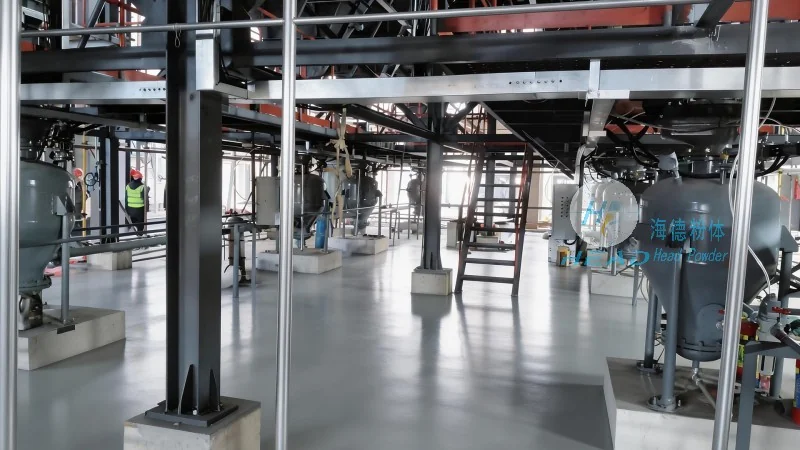
Overview of Pulse Pneumatic Conveying Systems
Pulse pneumatic conveying systems are a type of pneumatic transport technology that employs periodic bursts of compressed air to create a "pulse" effect, which helps to maintain material flow and prevent blockages in the conveying line. This method is particularly effective for materials that are prone to settling or bridging, as the pulsating air flow ensures consistent movement through the system. The system typically consists of a series of components, including a hopper for material storage, a pulse generator to control the air pulses, a pipeline network, and a receiver for the discharged material.
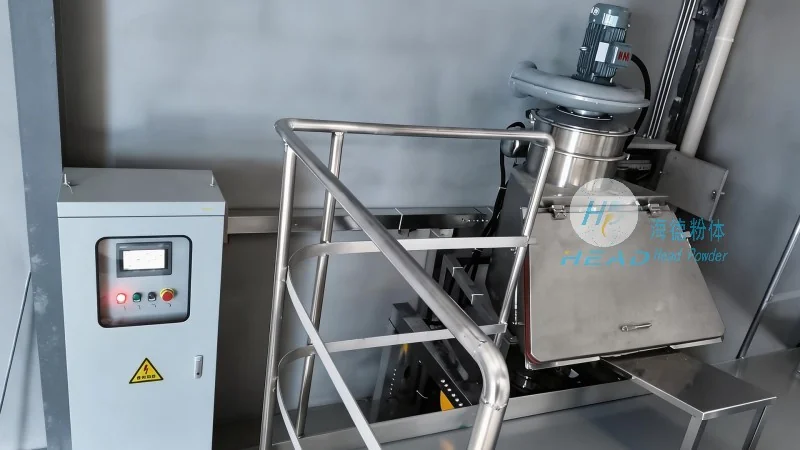
Key Components and Their Functions
The performance of a pulse pneumatic conveying system relies on several key components, each playing a crucial role in the overall operation. The material hopper is the primary storage unit, where bulk material is loaded and prepared for transport. It is equipped with a feed mechanism, such as a rotary valve or a screw feeder, which regulates the flow of material into the pipeline. The pulse generator is a critical component that produces the periodic air pulses, typically using a solenoid valve or a diaphragm pump. This component controls the frequency and duration of the pulses, which directly impacts the conveying efficiency and material handling performance. The pipeline network connects the hopper to the receiver, forming a closed loop system where the material is transported under pressure. The receiver is the final component, where the conveyed material is collected and discharged, often equipped with a discharge valve or a rotary valve to control the outflow.
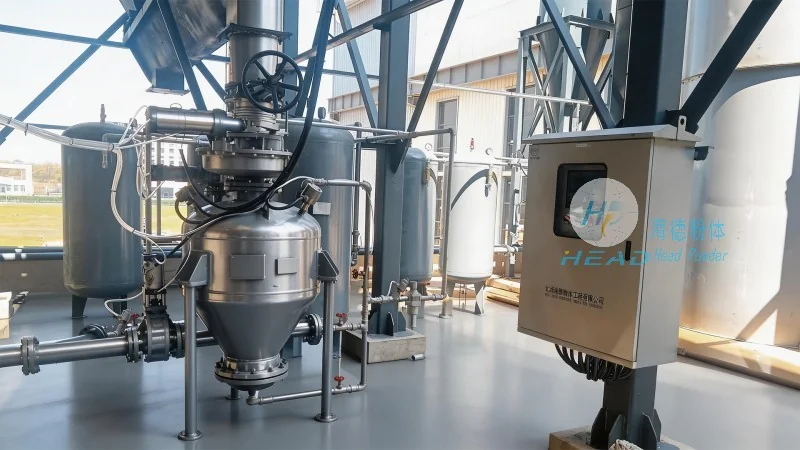
Operation Process of Pulse Pneumatic Conveying Systems
The operation process of a pulse pneumatic conveying system involves several sequential steps that ensure smooth and continuous material transport. The process begins with the loading of bulk material into the hopper. The feed mechanism then starts to introduce material into the pipeline at a controlled rate. Simultaneously, the pulse generator activates, producing periodic bursts of compressed air that travel through the pipeline. These air pulses create a pressure differential that propels the material forward, overcoming the gravitational and frictional forces that would otherwise cause material to settle or accumulate. As the material moves through the pipeline, it is continuously mixed with the air, maintaining a consistent flow rate and preventing blockages. The receiver collects the material as it is discharged from the pipeline, completing the transport cycle. The entire process is typically automated, with sensors and control systems monitoring the flow rate, pressure, and material level to ensure optimal performance and prevent system failures.
Working Principle of Pulse Pneumatic Conveying Systems
The working principle of pulse pneumatic conveying systems is based on the fundamental physics of fluid dynamics and material transport. The system operates by creating a high-velocity air stream within the pipeline, which entrains the bulk material and transports it to the receiver. The periodic air pulses, or "pulses," are essential for maintaining the air velocity and preventing the material from settling. The pulses help to break up any agglomerates or clumps of material, ensuring that the material is uniformly suspended in the air stream. This suspension is critical for efficient transport, as it reduces the friction between the material particles and the pipeline walls, minimizing wear and tear on the system components. The pressure within the pipeline is maintained at a level sufficient to overcome the resistance to flow, including the friction losses along the pipeline length and the elevation changes in the system. The receiver is designed to handle the incoming material flow, often with a pressure relief valve to prevent over-pressurization and maintain system safety.
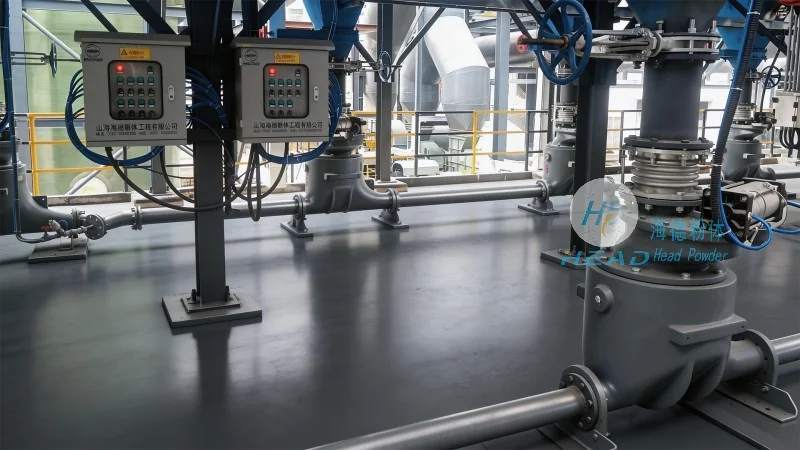
About Shandong HeadPowder Engineering Co., Ltd.
Shandong HeadPowder Engineering Co., Ltd., operating under the brand name headpowder, is a leading manufacturer and supplier of industrial conveying systems, including pulse pneumatic conveying equipment. With a focus on innovation and quality, the company has established itself as a trusted partner for businesses seeking reliable material handling solutions. Headpowder specializes in designing and manufacturing customized conveying systems tailored to the specific needs of various industries, such as food processing, pharmaceuticals, chemicals, and mining. The company's products are known for their durability, efficiency, and ease of maintenance, making them suitable for long-term industrial applications. Headpowder's commitment to customer satisfaction and technical excellence has earned it a strong reputation in the market, with a wide range of clients relying on their expertise for efficient material transport solutions. The company is headquartered in Shandong, China, where it operates a state-of-the-art manufacturing facility equipped with advanced technology and skilled personnel to ensure the highest quality standards in its products. Through continuous research and development, headpowder remains at the forefront of conveying technology, providing cutting-edge solutions that meet the evolving demands of the industrial sector.