

Operation Process and Working Principle of Coconut Shell Powder Pneumatic Conveying Line
Coconut shell powder, a byproduct of coconut processing, is widely used in various industries such as food, cosmetics, and fuel. Efficient and reliable transportation of this fine powder is crucial for maintaining production efficiency and product quality. The pneumatic conveying line, a key equipment in powder handling systems, offers a solution to transport coconut shell powder from storage to processing units. This article delves into the operation process and working principle of a typical coconut shell powder pneumatic conveying line, highlighting the key components and their functions.
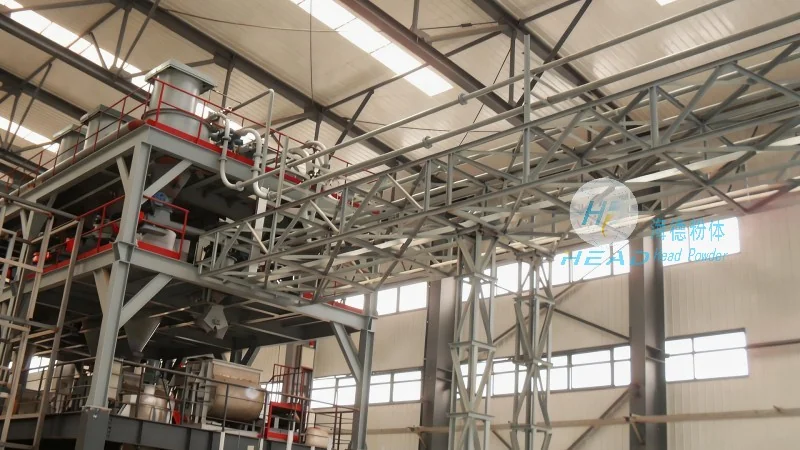
Key Components of the Pneumatic Conveying System
The pneumatic conveying line for coconut shell powder typically consists of several essential components that work in tandem to ensure smooth material transport. These components include the hopper, feeder, air compressor, pipeline system, and dust collector. Each component plays a vital role in the overall operation.
The hopper is the initial storage unit where raw coconut shell powder is placed. It is designed with a wide opening to facilitate easy loading and a conical bottom to ensure uniform material flow. The feeder, often a rotary valve or a screw feeder, regulates the flow rate of the powder from the hopper into the pipeline. This control is critical to prevent overloading and maintain consistent conveying pressure.
The air compressor is the heart of the system, generating the necessary air pressure to move the powder particles through the pipeline. It can be a positive displacement type or a centrifugal type, depending on the system requirements. The pipeline system, usually made of stainless steel or PVC, is designed to handle the abrasive nature of coconut shell powder. It includes straight sections, bends, and tees to direct the powder flow to the destination point, such as a silo or a processing machine.
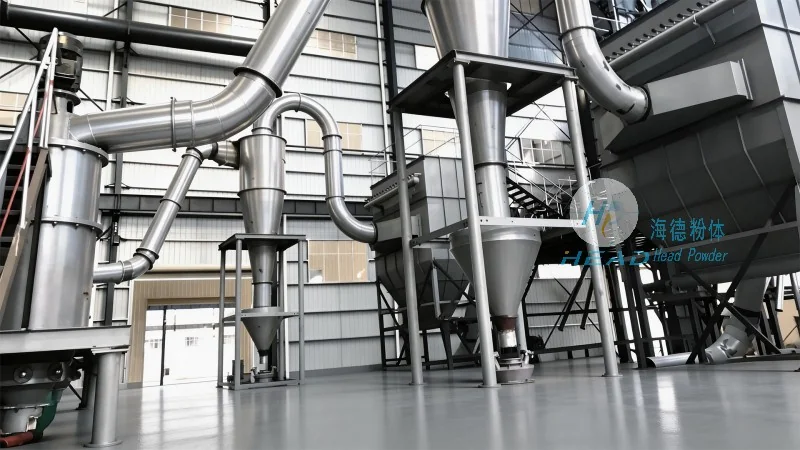
The dust collector is an important safety and environmental component that captures any fine particles that may escape from the system. It uses filters to trap dust and returns clean air to the environment, ensuring compliance with industrial safety standards.
Working Principle of the Pneumatic Conveying Process
The operation of the coconut shell powder pneumatic conveying line follows a sequential process. The process begins with the powder being fed from the hopper into the pipeline by the feeder. Simultaneously, the air compressor supplies compressed air into the pipeline. The compressed air creates a pressure differential that propels the powder particles forward. As the powder moves through the pipeline, it is suspended in the air stream, allowing it to travel efficiently without clogging the system.
The conveying speed and pressure are carefully controlled to ensure optimal performance. High pressure and speed can lead to increased energy consumption and potential wear on components, while low pressure may result in incomplete transport or blockages. The system is designed to maintain a balance between these factors to achieve efficient and reliable operation.
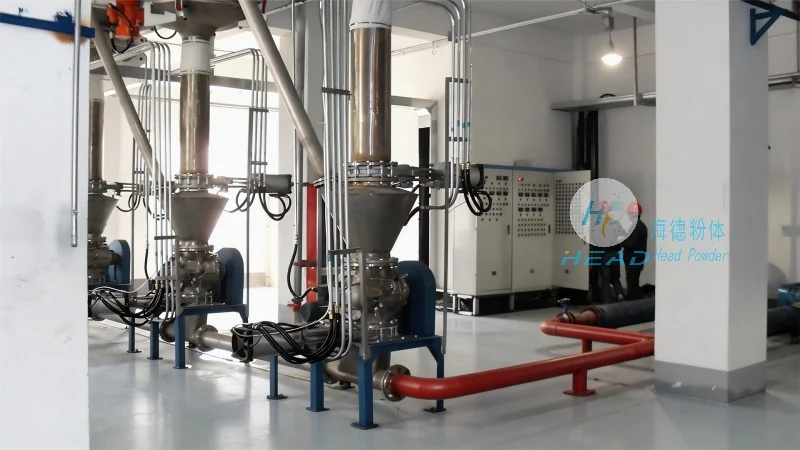
At the destination point, the powder is discharged into a silo or processing unit. The air, now mixed with the powder, passes through a cyclone separator or a bag filter, where the powder is separated from the air. The clean air is then released, and the collected powder is returned to the system or processed further.
Operation Process of the System
The operation process of the coconut shell powder pneumatic conveying line involves several steps that ensure smooth and continuous material transport. The process starts with the preparation of the system, including checking the air compressor, pipeline, and feeder for any obstructions or leaks. Once the system is ready, the hopper is filled with coconut shell powder, and the feeder is set to the desired flow rate.
The air compressor is then started, and the compressed air is introduced into the pipeline. The powder is fed into the pipeline as the air pressure builds up. The system monitors the pressure and flow rate to ensure that the conveying process is stable. Any adjustments to the flow rate or air pressure are made as needed to maintain optimal performance.
During operation, the system is continuously monitored for any signs of blockages or pressure drops. If a blockage occurs, the system may automatically shut down or alert the operator. The operator then inspects the pipeline and removes any obstructions. Once cleared, the system resumes operation. Regular maintenance, such as cleaning the hopper, replacing filters, and checking the air compressor, is essential to ensure the long-term reliability of the system.
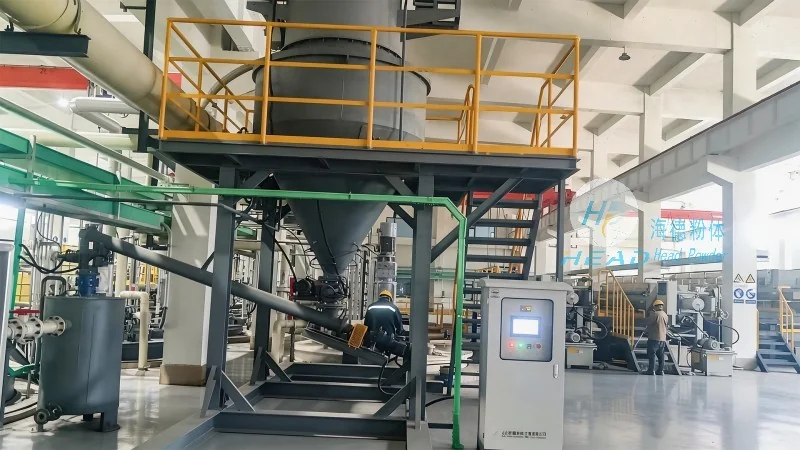
Benefits of Using a Pneumatic Conveying Line for Coconut Shell Powder
Implementing a pneumatic conveying line for coconut shell powder offers several benefits that enhance operational efficiency and product quality. One of the primary advantages is the ability to transport fine powders without the need for mechanical components that can cause contamination or wear. The system is also relatively compact, requiring less floor space compared to traditional conveyor systems.
The pneumatic conveying line provides a closed system, which helps in maintaining the purity of the powder and preventing contamination from external sources. This is particularly important for coconut shell powder used in food and cosmetic applications, where product quality is critical. Additionally, the system can handle varying flow rates, allowing for flexibility in production schedules.
Another benefit is the energy efficiency of the system. Modern air compressors are designed to operate efficiently, reducing energy consumption compared to older systems. The closed loop design also minimizes dust emissions, contributing to a cleaner working environment and compliance with environmental regulations.