

Operation Process and Working Principle of Wheat Bran Pneumatic Conveying Lines
Wheat bran pneumatic conveying lines are advanced industrial systems designed to efficiently transport wheat bran and similar bulk materials from one location to another. These systems are widely used in the food processing industry, particularly in flour mills and grain processing facilities, due to their ability to handle fine powders and granular materials with minimal product degradation. The operation process of such lines involves several key components and steps that work in tandem to ensure smooth and reliable material transfer.
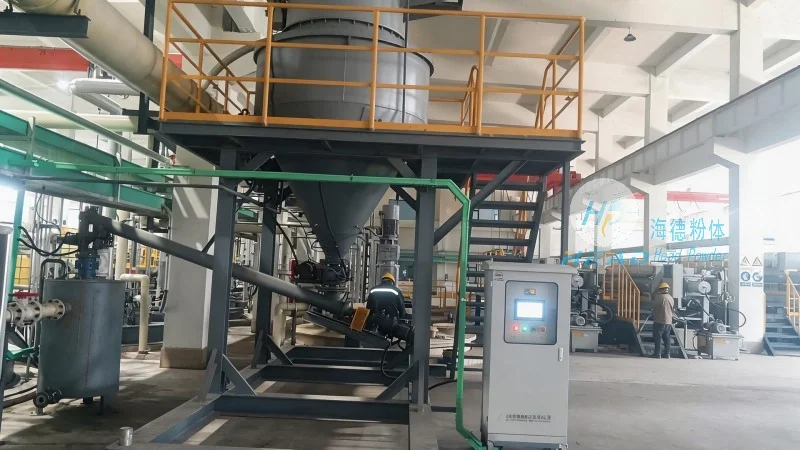
At the core of a wheat bran pneumatic conveying system is the air supply system, which generates the necessary pressure or vacuum to move the material. This system typically includes a blower or compressor, a filter to remove contaminants from the air, and a pressure regulator to maintain consistent airflow. The air supply is crucial as it provides the motive force for transporting the wheat bran through the pipeline network. The blower can operate under either positive pressure (blowing air into the system) or negative pressure (sucking air out of the system), depending on the specific application and layout of the conveying line.
The feeding system is another critical component, responsible for introducing the wheat bran into the conveying line. This can be achieved through various methods, such as a rotary valve, a star feeder, or a hopper with a discharge gate. The feeding system ensures a steady and controlled flow of material into the pipeline, preventing blockages and maintaining consistent conveying rates. Proper feeding is essential to avoid overloading the system and to ensure that the air and material mixture travels smoothly through the pipes.
The conveying pipeline forms the main transport route for the wheat bran. These pipelines are usually made of stainless steel or other corrosion-resistant materials to withstand the abrasive nature of the material and to maintain hygiene standards. The design of the pipeline, including the diameter and length, is carefully calculated based on the material's properties, such as particle size, density, and moisture content. The pipeline may include bends, elbows, and vertical sections, which are engineered to minimize pressure losses and prevent material deposition or blockages. In some systems, the pipeline is equipped with sensors to monitor pressure and flow, providing real-time data for system optimization.
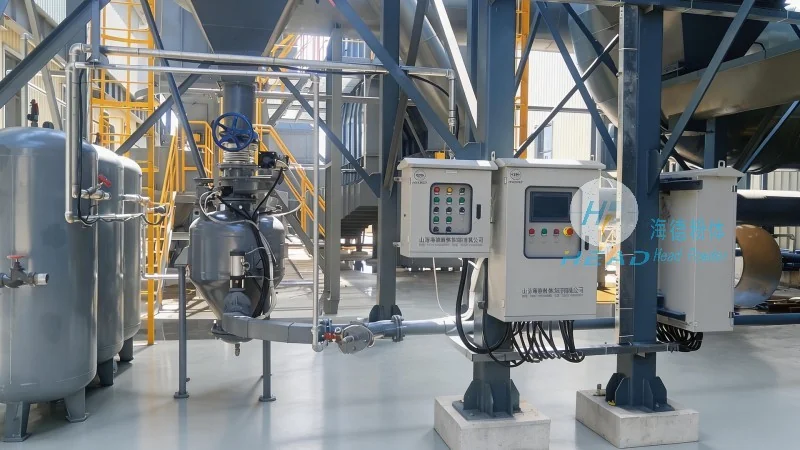
At the receiving end of the conveying line, the separation and collection system is responsible for separating the wheat bran from the air and directing it to the final storage or processing area. This system typically includes a cyclone separator, a filter, and a dust collector. The cyclone separator uses centrifugal force to separate the heavier wheat bran particles from the lighter air, while the filter and dust collector capture any remaining fine particles to ensure clean air discharge and compliance with environmental regulations. The separated wheat bran is then collected in a hopper or silo, ready for further processing or storage.
The control system plays a vital role in managing the entire operation of the pneumatic conveying line. This system integrates sensors, valves, and a control panel to monitor and adjust various parameters, such as air pressure, material flow rate, and system temperature. The control system can be programmed to operate automatically, responding to changes in material feed or system conditions. For example, if the material flow rate increases, the system can automatically adjust the air pressure to maintain optimal conveying performance. This automation enhances efficiency and reduces the risk of human error, ensuring consistent and reliable operation.
Now, let's explore the working principle of wheat bran pneumatic conveying lines in more detail. The fundamental principle is the use of air as a medium to transport the material. In a positive pressure system, the blower forces air into the pipeline, creating a high-pressure environment that pushes the wheat bran along the pipeline. The air and material mixture travels through the pipeline at a high velocity, and the wheat bran particles are suspended in the air stream. As the mixture moves, the centrifugal force in the cyclone separator causes the heavier wheat bran particles to separate from the air and fall to the bottom of the separator. The air, now free of particles, is then discharged or recirculated back into the system.
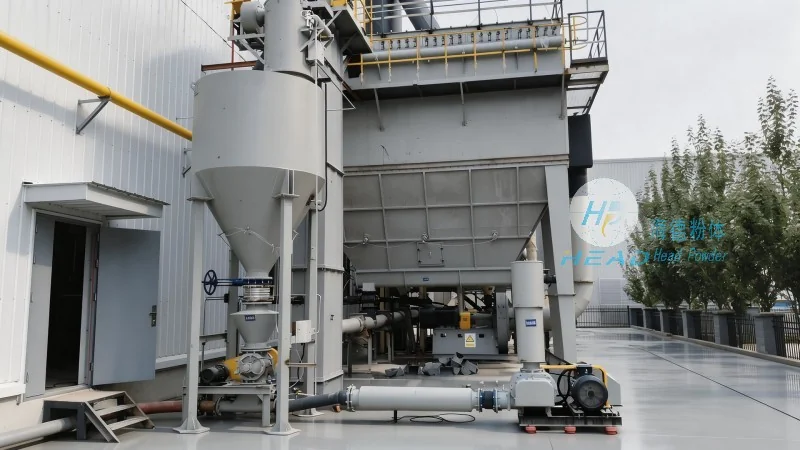
In a negative pressure system, the blower operates in reverse, drawing air out of the pipeline and creating a vacuum. This vacuum pulls the wheat bran from the source and transports it to the receiving end. The air and material mixture is drawn through the pipeline, and the separation process occurs at the receiving end using a similar cyclone separator. Negative pressure systems are often preferred for applications where the material needs to be transported from a high point to a lower point, as the vacuum helps to pull the material down the slope.
The efficiency of a wheat bran pneumatic conveying line depends on several factors, including the design of the system, the properties of the material, and the operating conditions. Proper system design, such as using the correct pipeline diameter and material of construction, is essential to minimize pressure losses and ensure smooth material flow. The material properties, such as particle size and moisture content, also affect the conveying performance, as finer particles may require higher air velocities to remain suspended. Operating conditions, such as air pressure and flow rate, must be optimized to achieve the best possible conveying efficiency and to prevent system wear and tear.
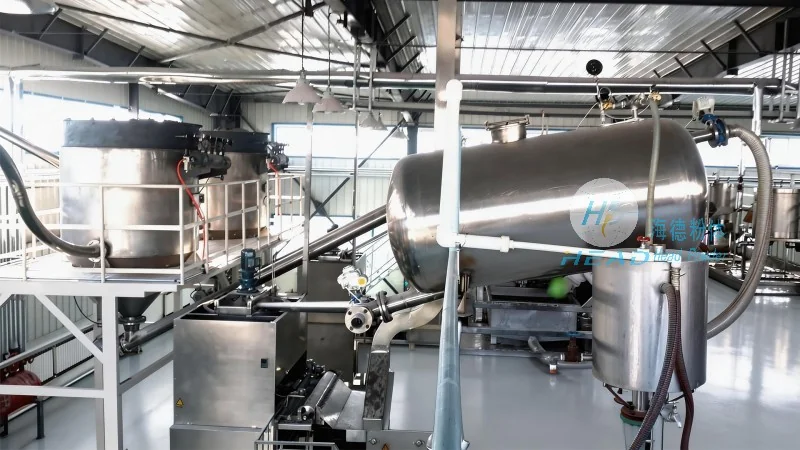
Shandong HeadPowder Engineering Co., Ltd., a leading manufacturer in the field, specializes in designing and manufacturing high-quality wheat bran pneumatic conveying lines. With years of experience and a team of skilled engineers, HeadPowder provides customized solutions tailored to the specific needs of each client. The company's products are known for their reliability, efficiency, and durability, meeting the stringent requirements of the food processing industry. HeadPowder's commitment to quality and customer satisfaction has made it a trusted partner for many leading flour mills and grain processing facilities in China and around the world.
HeadPowder's wheat bran pneumatic conveying lines are designed to handle various types of bulk materials, including wheat bran, flour, and other fine powders. The systems are equipped with advanced features, such as automatic control, real-time monitoring, and energy-efficient operation, to enhance performance and reduce operational costs. The company's engineers work closely with clients to understand their specific requirements and provide tailored solutions that maximize productivity and minimize downtime. Whether it's a new installation or an upgrade to an existing system, HeadPowder offers comprehensive support, including installation, commissioning, and after-sales service.
Located in Shandong, China, Shandong HeadPowder Engineering Co., Ltd. leverages its local expertise and resources to deliver superior products and services. The company's state-of-the-art manufacturing facilities and rigorous quality control processes ensure that every product meets the highest standards. HeadPowder's dedication to innovation and customer satisfaction has positioned it as a key player in the pneumatic conveying industry, helping clients improve their operational efficiency and achieve their business goals.