

Operation Process and Working Principle of Ammonium Sulfate Pneumatic Conveying Line
Ammonium sulfate, a widely used chemical fertilizer and industrial raw material, often requires efficient and reliable transportation methods to ensure smooth production and supply chain operations. Pneumatic conveying lines, particularly for bulk materials like ammonium sulfate, have become a preferred solution in modern industrial settings. This article provides an in-depth look at the operation process and working principle of an ammonium sulfate pneumatic conveying line, highlighting the technical aspects and practical applications.
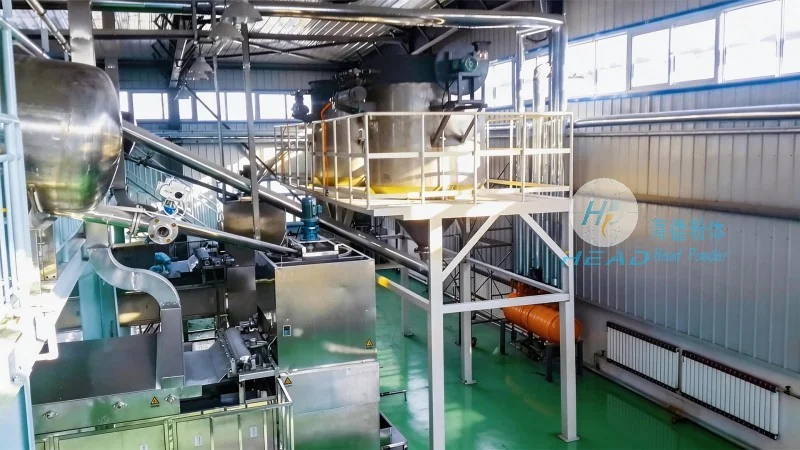
Introduction to Ammonium Sulfate Pneumatic Conveying Systems
Ammonium sulfate is a critical component in agricultural and industrial applications, and its transportation needs to be handled with precision to maintain product quality and operational efficiency. Pneumatic conveying systems offer a non-contact, low-maintenance method for moving bulk solids, making them ideal for ammonium sulfate, which can be sensitive to moisture and abrasion. The system typically consists of a hopper, feeder, conveying line, and receiving equipment, all integrated to form a seamless operation.
Company Overview: Shandong HeadPowder Engineering Co., Ltd.
Headpowder, or Shandong HeadPowder Engineering Co., Ltd., is a leading manufacturer and supplier of pneumatic conveying systems based in China. With a focus on industrial engineering and material handling solutions, the company specializes in designing and installing customized conveying lines for various bulk materials, including ammonium sulfate. Headpowder's facilities are located in Shandong, China, where the company leverages advanced technology and experienced engineering teams to deliver high-quality products and services.
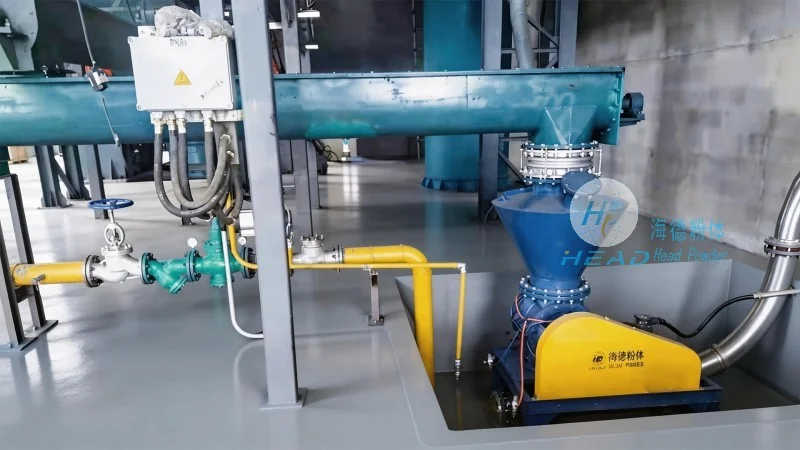
Operation Process of the Ammonium Sulfate Pneumatic Conveying Line
The operation of an ammonium sulfate pneumatic conveying line involves a series of coordinated steps to ensure the material is transported safely and efficiently. The process begins with the loading of ammonium sulfate into the storage hopper. A feeder or rotary valve then controls the flow of material into the conveying line, ensuring a consistent feed rate. The conveying air, generated by a high-efficiency blower, is introduced into the system, creating a positive pressure that lifts the material particles. The air stream carries the ammonium sulfate through the pipeline to the receiving tank or processing unit. The system may include intermediate cyclones or filters to separate any fines or dust, maintaining the purity of the material. At the end of the line, a pressure vessel or receiver collects the material, and the air is filtered and recycled back into the blower, reducing energy waste.
Working Principle of the Ammonium Sulfate Pneumatic Conveying Line
The working principle of a pneumatic conveying line for ammonium sulfate is based on the interaction between air flow and solid particles. In a positive pressure system, the blower supplies compressed air into the conveying line, creating a pressure that overcomes the gravitational force of the material. The material is suspended in the air stream, moving at a velocity sufficient to prevent settling. The conveying line's design, including pipe diameter, length, and bends, is optimized to minimize pressure drop and energy consumption. The system may use different conveying modes, such as dilute phase (where particles are dispersed in the air) or dense phase (where particles are more concentrated), depending on the material's characteristics and the distance to be covered. The separation process at the receiving end uses gravity or cyclonic action to separate the air from the material, with the air being cleaned and recirculated to maintain system efficiency.
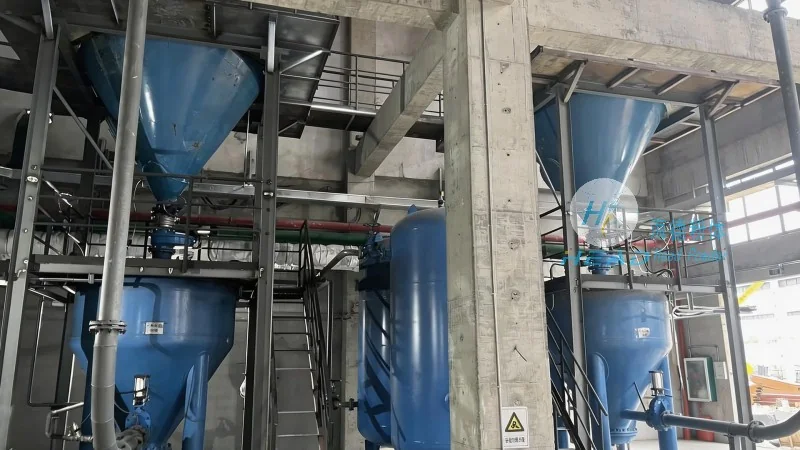
Key Components and Their Functions
Several critical components are integral to the operation of an ammonium sulfate pneumatic conveying line. The hopper or storage silo provides a large capacity for material storage, ensuring a steady supply. The feeder or rotary valve regulates the material flow, preventing overfeeding or underfeeding. The blower or compressor generates the necessary air pressure and volume to transport the material. The conveying line, typically made of stainless steel or other corrosion-resistant materials, is designed to handle the abrasive nature of ammonium sulfate. Cyclones or filters are used to separate the material from the air, maintaining product quality. The control system, often a PLC, monitors and adjusts the operation parameters to ensure optimal performance.
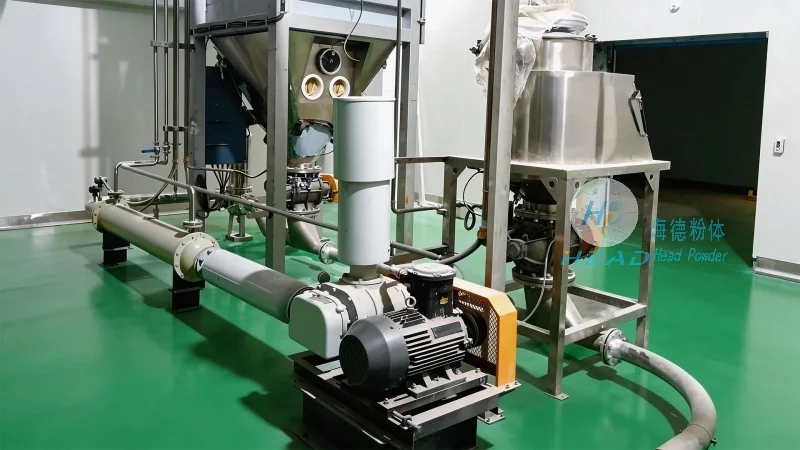
Advantages of Using Pneumatic Conveying for Ammonium Sulfate
Pneumatic conveying systems offer several advantages when transporting ammonium sulfate. First, they are non-contact, reducing the risk of material contamination and wear on equipment. Second, the system is enclosed, preventing dust and particles from entering the environment, which is beneficial for both safety and compliance with environmental regulations. Third, the conveying process is continuous and automated, improving operational efficiency and reducing labor costs. Additionally, the system can be designed to handle varying material flow rates and distances, making it versatile for different industrial applications. The energy efficiency of modern blower systems and the ability to recycle air further enhance the economic benefits of pneumatic conveying.
Conclusion and Application
Ammonium sulfate pneumatic conveying lines are essential for efficient and reliable transportation of this critical material. By understanding the operation process and working principle, industries can optimize their material handling systems to improve productivity and reduce costs. Shandong HeadPowder Engineering Co., Ltd. provides comprehensive solutions for such systems, leveraging advanced technology and engineering expertise to meet the specific needs of clients. With its headquarters in Shandong, China, Headpowder continues to be a trusted partner in the design and implementation of pneumatic conveying systems for ammonium sulfate and other bulk materials.