

Operation Process and Working Principle of Small Bag Loading Pneumatic Conveying Line
Small bag loading pneumatic conveying lines are advanced industrial equipment designed to efficiently transport bulk materials from storage silos or containers to processing units. These systems are widely used in various industries, including food processing, chemical manufacturing, and pharmaceutical production, due to their ability to handle fine powders and granules with minimal product degradation. The operation of such lines involves a series of coordinated steps that ensure smooth material transfer while maintaining product quality and safety.
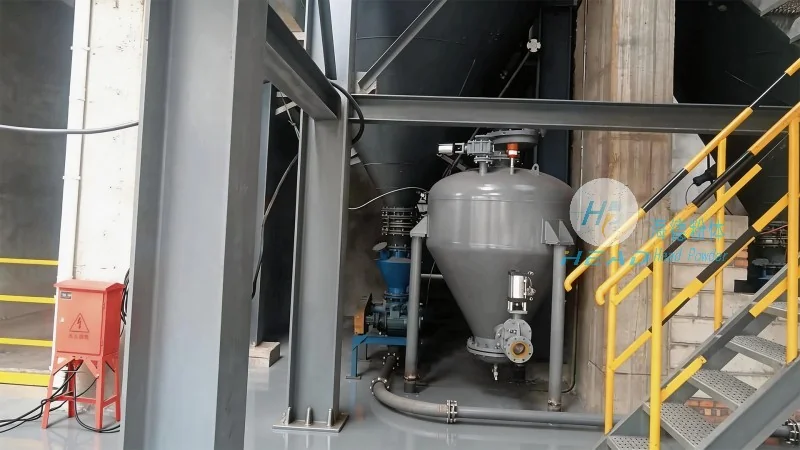
Overview of Small Bag Loading Pneumatic Conveying Systems
Small bag loading pneumatic conveying systems are engineered to automate the material handling process, reducing manual labor and enhancing operational efficiency. The system typically consists of several key components, including a hopper, a rotary valve, a pneumatic conveying pipe, and a receiver. Each component plays a crucial role in the overall operation, working together to ensure reliable and consistent material transport. The design of these systems is tailored to handle a wide range of materials, from fine powders like flour and sugar to bulk granules such as grains and chemicals.
Key Components and Their Functions
The core components of a small bag loading pneumatic conveying line include the material hopper, which stores the bulk material and provides a controlled feed; the rotary airlock valve, which regulates the flow of material into the conveying line and prevents backflow; the pneumatic conveying pipe, which uses compressed air to transport the material; and the receiving hopper or silo, which collects the material at the destination. Additionally, the system may include a filter and dust collector to ensure air quality and prevent contamination, as well as a pressure regulator to maintain consistent air pressure throughout the process.
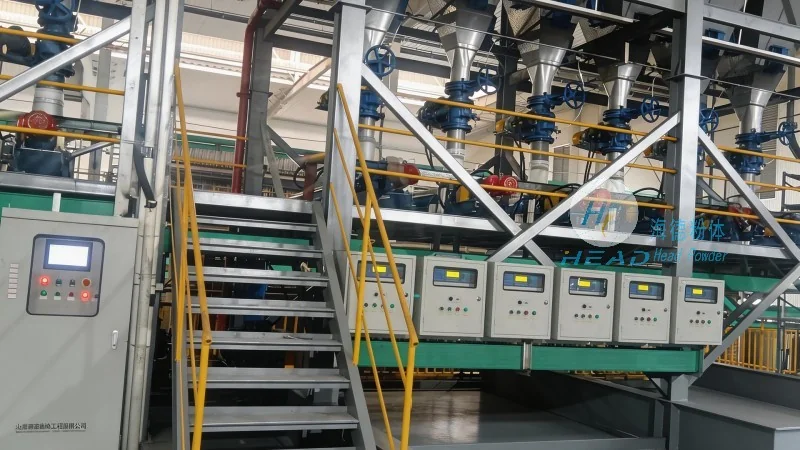
Operation Process of Small Bag Loading Pneumatic Conveying Lines
The operation of a small bag loading pneumatic conveying line begins with the material being loaded into the hopper from a storage container or silo. The rotary airlock valve then controls the flow of material into the conveying pipe, ensuring a steady and controlled feed. Compressed air is introduced into the pipe, creating a pressure differential that propels the material forward. The material travels through the pipe, suspended in the air stream, until it reaches the receiving hopper at the processing unit. The system is designed to operate continuously, with the rotary valve and airlock working in tandem to maintain a consistent flow rate. The entire process is automated, with minimal human intervention required, making it suitable for high-volume production environments.
Working Principle of Pneumatic Conveying Technology
The working principle of small bag loading pneumatic conveying lines is based on the use of compressed air to transport bulk materials. When compressed air is introduced into the conveying pipe, it creates a low-pressure zone that draws the material from the hopper into the pipe. The air and material mixture travels through the pipe at high velocity, with the material being suspended in the air stream. The pressure differential between the hopper and the receiving end of the pipe drives the material forward. The system uses either positive pressure (where air is blown into the pipe) or negative pressure (where air is sucked out of the pipe) to transport the material, depending on the specific application and material characteristics. The design of the conveying line, including the pipe diameter, length, and bends, is optimized to minimize pressure loss and ensure efficient material transport.
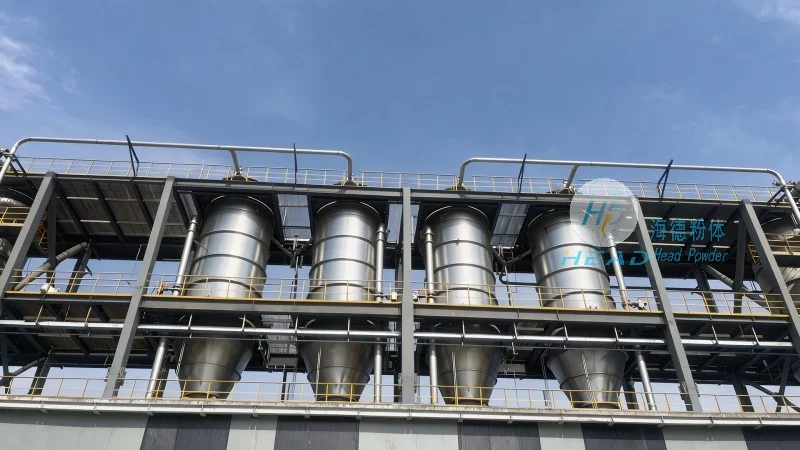
Benefits and Applications of Small Bag Loading Pneumatic Conveying Lines
Small bag loading pneumatic conveying lines offer several advantages over traditional material handling methods, such as belt conveyors or manual loading. These systems provide a hygienic and dust-free environment, which is critical for industries like food and pharmaceuticals where product contamination must be avoided. The automated operation reduces labor costs and improves safety by minimizing human exposure to bulk materials. Additionally, the system can handle a wide range of materials, including fine powders and abrasive granules, without causing product degradation or damage. The compact design of these systems makes them suitable for installation in limited space, and the modular construction allows for easy expansion or modification as production needs change.
Installation and Maintenance Considerations
Proper installation and regular maintenance are essential to ensure the reliable operation of small bag loading pneumatic conveying lines. The system should be installed in a location with adequate ventilation and access for maintenance personnel. The hopper and conveying pipe should be properly sealed to prevent dust leakage and product contamination. Regular cleaning of the filter and dust collector is necessary to maintain air quality and prevent clogging. The rotary airlock valve and other moving parts should be lubricated and inspected regularly to ensure smooth operation. Additionally, the system should be equipped with pressure sensors and alarms to detect any issues, such as low air pressure or blockages, and alert operators to take corrective action.