

Operation Process and Working Principle of Fine Powder Pneumatic Conveying Line
For industrial applications requiring the efficient and reliable transport of fine powders, pneumatic conveying systems offer a robust solution. These systems are particularly valuable in sectors such as pharmaceuticals, food processing, and chemical manufacturing, where maintaining product integrity and controlling dust are critical. The fine powder pneumatic conveying line, as a specialized type of pneumatic conveying equipment, is designed to handle powders with particle sizes typically ranging from 10 microns to 200 microns. Understanding its operation process and working principle is essential for optimizing performance and ensuring safe operation in various industrial settings.
Components of a Fine Powder Pneumatic Conveying System
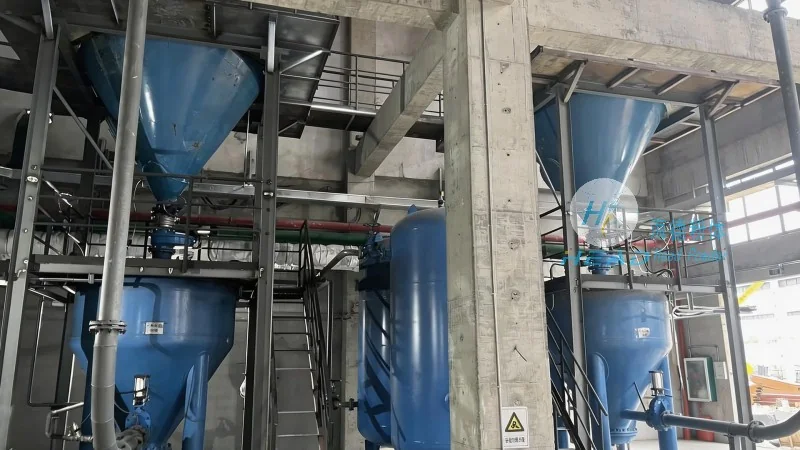
A typical fine powder pneumatic conveying line consists of several key components that work in tandem to facilitate material transport. The main components include a hopper or feeder for material storage and feeding, a blower or compressor to generate the air flow, a pipeline system for conveying the material, and a receiver or discharge unit for collecting the transported powder. Each component plays a crucial role in the overall system performance. The hopper is designed to maintain a consistent material level and control the flow rate, preventing blockages and ensuring a steady supply of powder. The blower or compressor provides the necessary air pressure and volume to move the fine particles through the pipeline. The pipeline system, often made of stainless steel or other corrosion-resistant materials, is engineered to minimize friction and pressure drop, which is vital for efficient conveying of fine powders. The receiver or discharge unit is responsible for collecting the material at the destination and may include features like dust collection or filtration to maintain air quality and product purity.
Operation Process of Fine Powder Pneumatic Conveying Lines
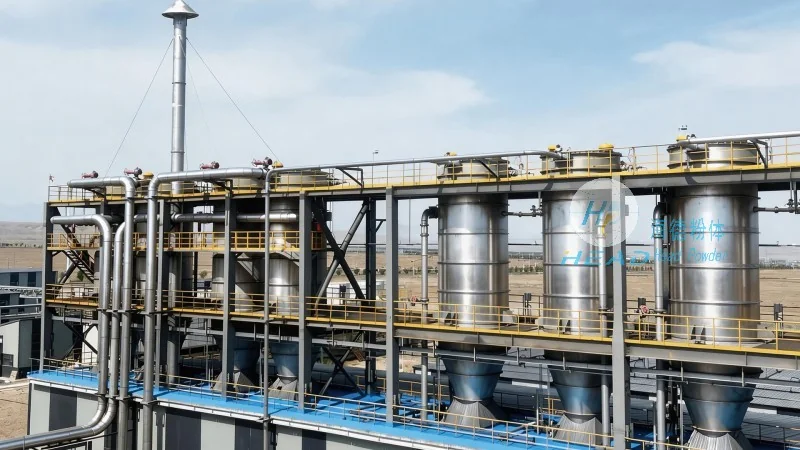
The operation process of a fine powder pneumatic conveying line involves several sequential steps that ensure the smooth and continuous transport of material. The process begins with the material being fed from the hopper into the pipeline. The feeder mechanism, which can be a rotary valve, screw feeder, or other type of control device, regulates the flow rate of the powder into the system. Simultaneously, the blower or compressor starts operating, generating a high-velocity air stream that carries the fine particles through the pipeline. As the air and powder mixture travels through the pipeline, the particles are suspended and transported to the receiver or discharge point. The velocity of the air flow is carefully controlled to maintain the particles in a suspended state, preventing them from settling or clogging the pipeline. At the receiving end, the air and powder mixture is separated, typically through a cyclone or other separation device. The fine powder is collected in the receiver, while the air is either recirculated back to the blower or released to the atmosphere after filtration. This separation process is critical for maintaining product quality and ensuring compliance with environmental regulations.
Working Principle of Fine Powder Pneumatic Conveying Lines
The working principle of fine powder pneumatic conveying lines is based on the principles of fluid dynamics and particle suspension. The system operates by creating a high-velocity air stream that entrains the fine particles, lifting them from the hopper and transporting them through the pipeline. The key to efficient conveying is maintaining the particles in a suspended state, which requires a sufficient air velocity to overcome the gravitational forces acting on the particles. The air velocity must be high enough to keep the particles airborne but not so high as to cause excessive pressure drop or wear on the system components. The pressure drop in the pipeline is a critical parameter that affects the system's performance; it is influenced by factors such as the pipeline length, diameter, and the properties of the fine powder (e.g., particle size, density, and moisture content). Proper design of the system, including the selection of appropriate blower capacity and pipeline dimensions, is essential to achieve optimal conveying efficiency and minimize energy consumption. The working principle also involves the use of appropriate materials for the hopper, feeder, and pipeline to prevent material buildup, corrosion, or contamination, which is particularly important for fine powders that may be sensitive to moisture or other environmental factors.
About Shandong HeadPowder Engineering Co., Ltd.
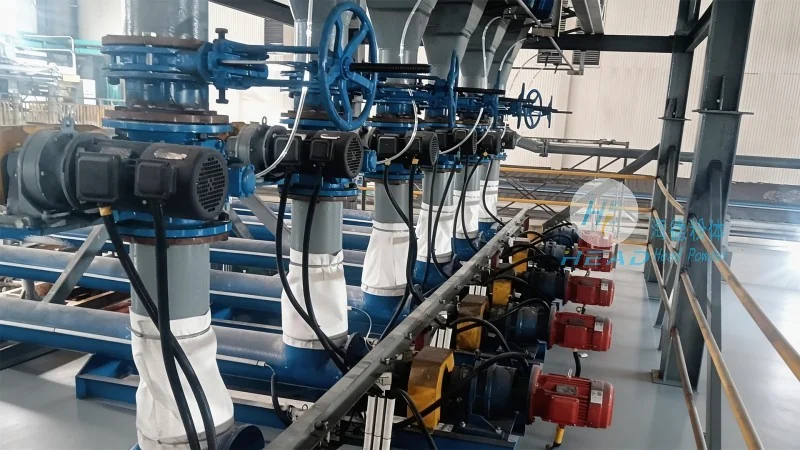
Shandong HeadPowder Engineering Co., Ltd., commonly known as headpowder, is a leading manufacturer and supplier of pneumatic conveying systems and related industrial equipment. With a strong focus on innovation and quality, the company specializes in designing and manufacturing fine powder pneumatic conveying lines tailored to the specific needs of various industries. Headpowder's products are engineered to meet the highest standards of performance, reliability, and safety, ensuring that they can handle a wide range of fine powders with consistent efficiency. The company's commitment to customer satisfaction and technical excellence has made it a trusted partner for businesses in pharmaceuticals, food processing, chemicals, and other sectors that rely on efficient material handling solutions. Headpowder's headquarters is located in Shandong, China, where the company maintains state-of-the-art manufacturing facilities and a dedicated team of engineers and technicians who are dedicated to delivering superior products and services to its clients worldwide.