

Operation Process and Working Principle of Cement Auxiliary Material Pneumatic Conveying Lines
HeadPowder, a leading manufacturer in the field of material handling solutions, specializes in the design, production, and installation of pneumatic conveying systems for cement and other auxiliary materials. This article provides a detailed overview of the operation process and working principle of cement auxiliary material pneumatic conveying lines, highlighting the key components, operational steps, and technical aspects that ensure efficient and reliable material transport.
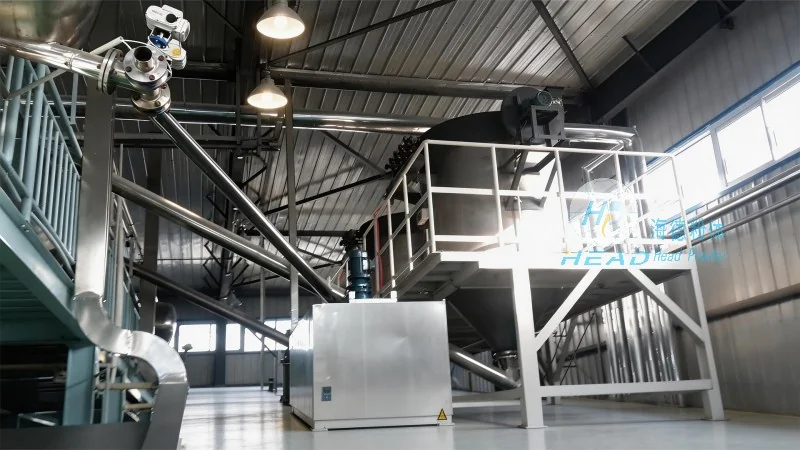
Understanding Pneumatic Conveying Systems for Cement Auxiliary Materials
Pneumatic conveying lines are essential equipment in the cement industry for transporting bulk materials such as limestone, gypsum, and other additives from storage silos to production lines. These systems utilize air pressure to move materials through a network of pipes, offering advantages like dust control, reduced maintenance, and the ability to handle various material types. The effectiveness of such systems depends on the proper design and operation of its components, which work in harmony to achieve seamless material flow.
Key Components of a Cement Auxiliary Material Pneumatic Conveying Line
The core components of a pneumatic conveying system for cement auxiliary materials typically include a material hopper, a feeder, a conveying pipe system, a filter and dust collector, and a control system. Each component plays a crucial role in the overall operation:
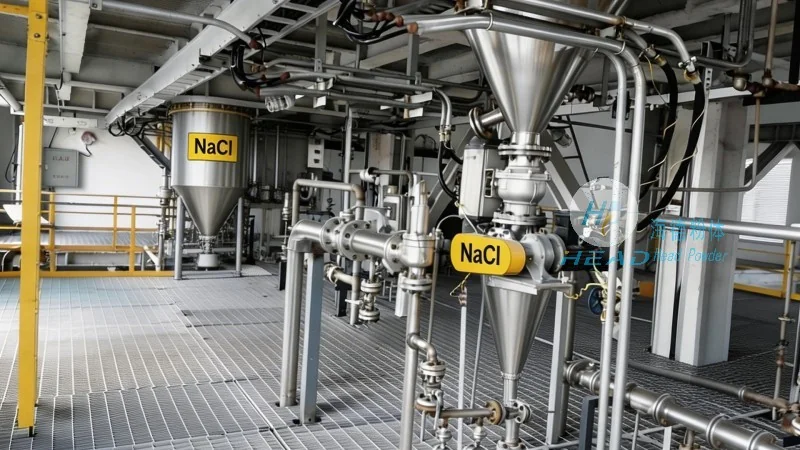
- Material Hopper: Stores the bulk cement auxiliary materials, providing a consistent feed to the feeder. It is designed to prevent material bridging and ensure smooth discharge.
- Feeder: Regulates the flow rate of the material into the conveying pipe. Common types include rotary valves, screw feeders, and vibratory feeders, which maintain a stable and controlled feed rate.
- Conveying Pipe System: Comprises a network of pipes that transport the material using air pressure. The system may include straight pipes, bends, and expansion joints to accommodate the layout of the facility.
- Filter and Dust Collector: Captures fine particles and dust generated during the conveying process, ensuring compliance with environmental regulations and maintaining air quality.
- Control System: Monitors and controls the operation of the system, including air pressure, material flow, and filter status. It ensures safe and efficient operation by detecting and responding to abnormalities.
Operation Process of Cement Auxiliary Material Pneumatic Conveying Lines
The operation of a cement auxiliary material pneumatic conveying line involves several sequential steps that ensure the material is transported from the storage hopper to the production point:
- Material Loading: The bulk cement auxiliary materials are loaded into the material hopper from trucks or other storage facilities. The hopper is equipped with a level indicator to monitor the material level.
- Feeder Activation: The feeder is activated to start the material flow. The control system adjusts the feed rate based on the production requirements and material characteristics.
- Air Compression: Compressed air is supplied to the conveying pipe system. The air pressure is carefully controlled to achieve the desired conveying velocity, ensuring the material is transported efficiently without excessive pressure loss.
- Material Transport: The material is carried by the air flow through the pipe network. The system may use different conveying modes, such as dilute phase or dense phase, depending on the material properties and system design.
- Delivery to Production: The material is discharged into the receiving hopper or directly into the production equipment at the end of the conveying line. The control system ensures the material is delivered at the correct rate and quantity.
- Filter Operation: The filter and dust collector continuously operate to capture any fine particles or dust generated during the conveying process, maintaining air quality and preventing environmental pollution.
Working Principle of Pneumatic Conveying Systems
The working principle of a cement auxiliary material pneumatic conveying line is based on the interaction between the material particles and the air flow. In a dilute phase system, the material is suspended in the air stream and transported through the pipe. The air velocity is maintained above the minimum conveying velocity to prevent material deposition. In a dense phase system, the material is conveyed in a slurry-like state, with higher air pressure and lower velocity, which is suitable for handling abrasive or sensitive materials.
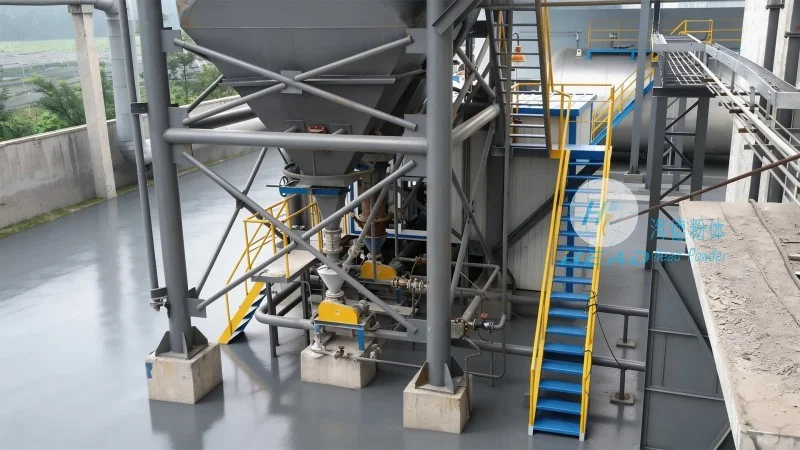
The system operates by creating a pressure differential between the inlet and outlet of the conveying pipe. The feeder introduces the material into the pipe, and the compressed air provides the necessary force to move the material. The filter and dust collector remove any particles that may escape the conveying pipe, ensuring the air is clean before being released back into the environment.
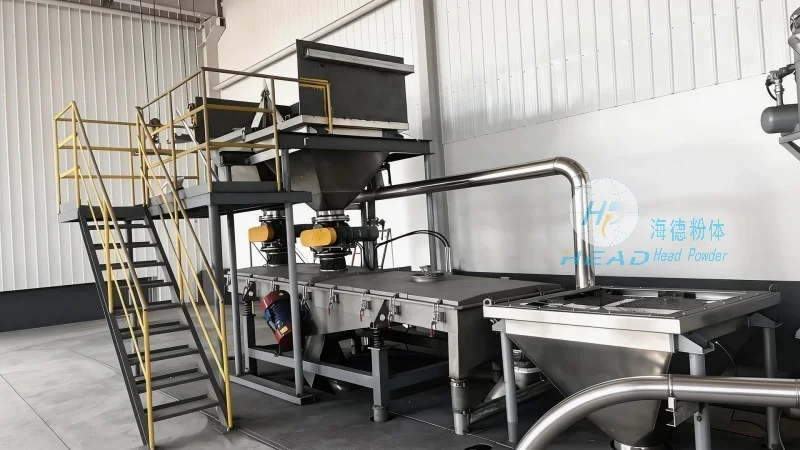
Benefits of Using Pneumatic Conveying Lines for Cement Auxiliary Materials
Implementing a pneumatic conveying line for cement auxiliary materials offers several benefits, including:
- Efficient Material Transport: The system provides a continuous and reliable flow of materials, reducing downtime and improving production efficiency.
- Dust Control: The enclosed system minimizes dust generation and dispersion, improving workplace safety and environmental compliance.
- Reduced Maintenance: Compared to mechanical conveying systems, pneumatic systems have fewer moving parts, leading to lower maintenance costs and longer equipment life.
- Flexibility: The system can be easily modified or expanded to accommodate changes in production requirements or facility layout.
- Cost-Effective: Over time, the operational efficiency and reduced maintenance costs make pneumatic conveying a cost-effective solution for material handling.
About Shandong HeadPowder Engineering Co., Ltd.
Shandong HeadPowder Engineering Co., Ltd., operating under the brand name HeadPowder, is a professional manufacturer and supplier of material handling equipment. With a focus on innovation and quality, the company provides customized pneumatic conveying solutions tailored to the specific needs of the cement industry. HeadPowder's products are designed to meet international standards and are installed with precision to ensure optimal performance. The company's headquarters is located in Shandong, China, where it leverages advanced technology and experienced engineers to deliver reliable and efficient material handling solutions.